If you are battling between a mini food processor vs. a full-size food processor, you need to know that although they have the same drawer of blades they have wildly different jobs.
A mini tops out around 1.5 to 3 cups with a motor under 300 watts. Full-size models run between 7 to 14 cups with motors well over 600 watts.
That gap changes everything about what you can actually make.
We own both. The mini lives on the counter for daily use. The full-size stays in a cabinet for weekends and holidays or when I am batch cooking. Neither can replace the other.
Before this post, we covered whether you need a processor at all in Is a Food Processor Worth It?, what the machine is actually built to do in What Is a Food Processor Used For?, how it compares to a blender in Food Processor vs. Blender: What’s the Difference?, and general sizing in What Size Food Processor Do I Need? You should definitely read them.
Is a Mini Food Processor Worth It?
Table of Contents
ToggleFor someone asking is a mini food processor worth it? The short answer is yes, for quick and small jobs.
But for you, it comes down to how you cook day to day. If you are chopping a handful of herbs, making stew, blending salad dressing, or making a small batch of pesto or salsa.
A mini food processor handles all of it fast, and it’s small enough to pull out for a five-minute task without the commitment of assembling a bigger machine.
KitchenAid 3.5 Cup Food Chopper
The KFC3516ER is a genuinely small footprint pick, easy to grab for quick jobs without dedicating real counter space to it.
Its two-speed control plus pulse covers the basics a mini needs to handle well.
Click here to buy the KitchenAid 3.5 Cup Food Chopper on Amazon.
What Can You Make in a Mini Food Processor?
You can make salsa, pestos, salad dressing, baby food, grind peppers, and more.
If you are wondering what can you make in a mini food processor, the honest answer is anything that doesn’t need a large volume or heavy kneading power.
What a mini food processor can’t do is dough for short. Consumer Reports notes that mini food processors under about 5 cups often come bundled with a small blender attachment, making them a genuine two-in-one for smaller households, but they’re not built for bread or pizza dough the way a full-size model is.
Cuisinart Small Food Processor, 4-Cup
The ECH-4SV handles everyday small jobs, salsa, dressings, chopped herbs, with an auto-reversing blade that switches between chopping and pureeing.
Its dishwasher-safe parts make the cleanup quick.
Click here to buy the Cuisinart Small Food Processor, 4-Cup on Amazon.
Is a Mini Food Processor Good for Chopping Onions?
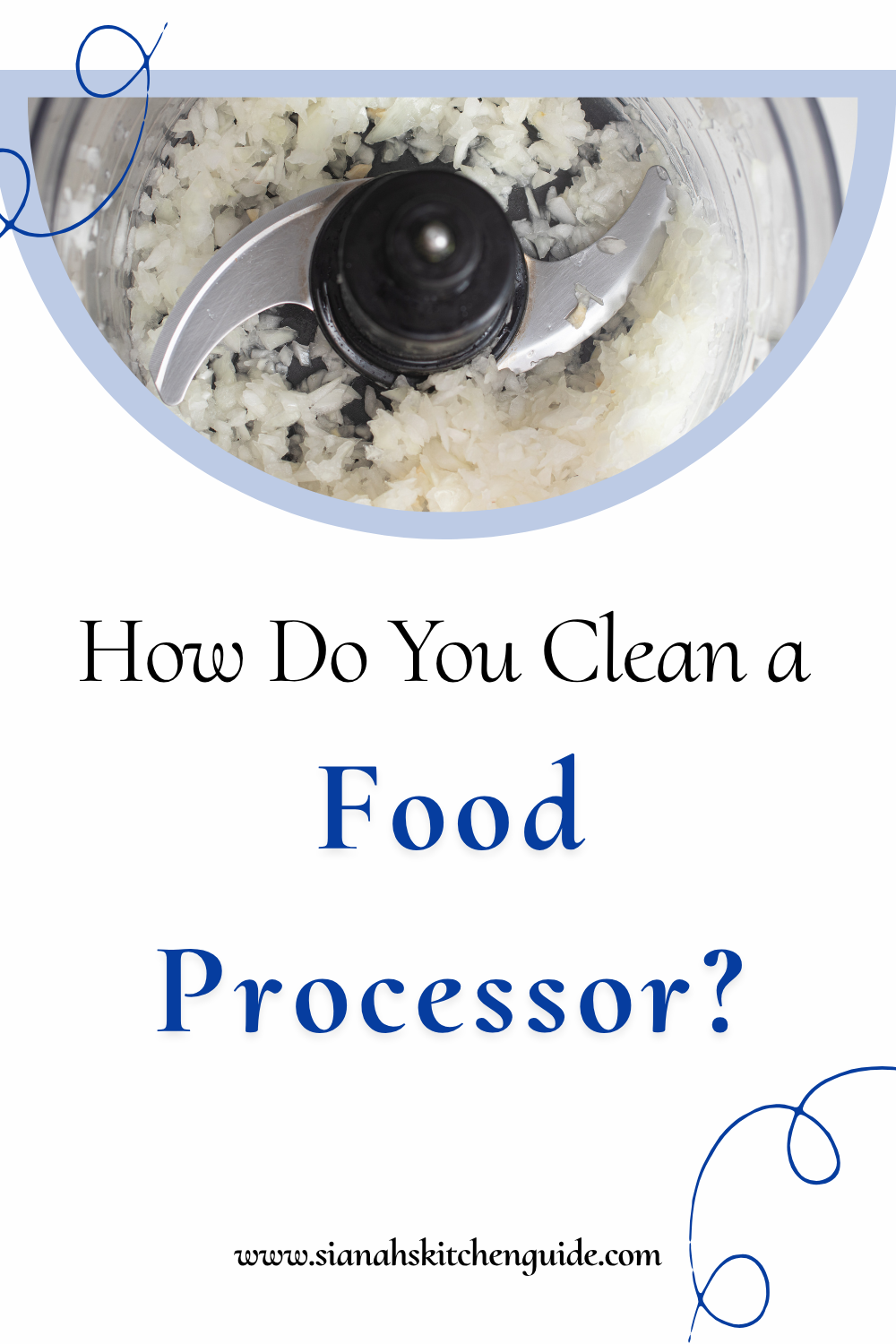
Yes. A mini food processor for chopping onions is one of the more satisfying uses for one. It chops an onion in seconds, evenly, without the tears or the cutting board.
For a single onion or two, it’s genuinely faster than pulling out a full-size machine.
KitchenAid 5 Cup Food Chopper
The KFC0516BM steps up slightly from the 3.5-cup model. It is still small enough for daily use but with a bit more room for onions, herbs, or a quick chop job for two.
Its whisk accessory also adds light whipping capability most minis skip entirely.
Click here to buy the KitchenAid 5 Cup Food Chopper on Amazon.
What Is the Best Compact Food Processor?
The best compact food processor depends on whether you want raw chopping power or a wider range of jobs done.
A model with a reversible or multi-function blade stretches further than a basic single-blade mini, covering both chopping and light pureeing without upgrading to full size.
If counter and storage space are genuinely limited, this is the size to shop for the best food processor for a small kitchen, rather than a bulky 14-cup machine.
When Should You Choose Full-Size Instead?
You can choose a full size once you’re kneading dough, batch cooking, or regularly feeding more than two or three people.
A full-size food processor provides a stronger motor and larger bowl that handle jobs a mini simply isn’t built for.
Hamilton Beach Food Processor & Vegetable Chopper, 10 Cups
If your household has genuinely outgrown mini-sized jobs, the Hamilton Beach’s 10-cup capacity handles bigger batches, dough, and family-size meal prep in one pass.
Click here to buy the Hamilton Beach Food Processor & Vegetable Chopper on Amazon.
Frequently Asked Questions
Is a mini food processor worth it?
Yes, they are, for quick, small jobs like herbs, dressings, and small batches of salsa or pesto. It’s not built for dough or large-volume prep.
What can you make in a mini food processor?
Salsa, pesto, dressings, chopped nuts, baby food, and small dips. Anything requiring dough or heavy kneading needs a full-size model instead.
Is a mini food processor good for chopping onions?
Yes, it chops an onion quickly and evenly, genuinely faster than doing it by hand for one or two onions.
What is the best compact food processor?
The best compact food processor is one with a reversible or multi-function blade, which stretches its usefulness across chopping and light pureeing.
Conclusion
The comparison between a mini food processor vs. a full-size food processor isn’t really a rivalry, it’s a division of labor.
A mini food processor handles fast, small, daily jobs. A full-size food processor handles dough, batch cooking, and bigger households.
Many kitchens genuinely benefit from having both.