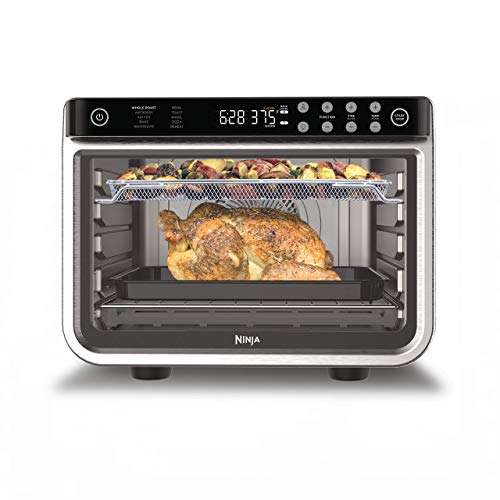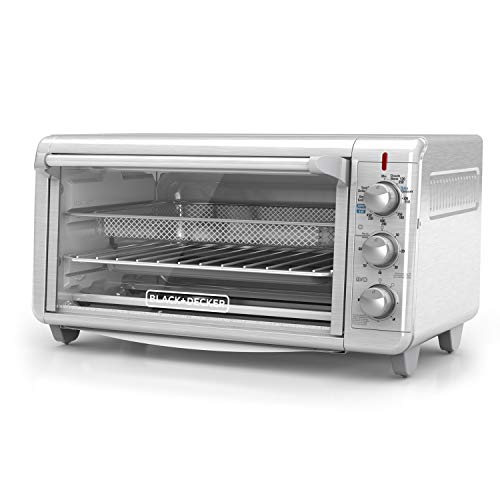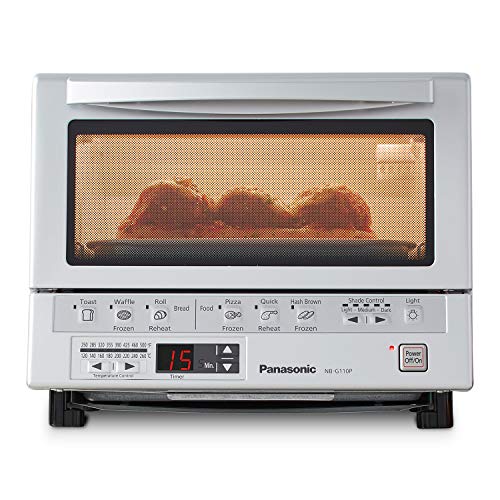
If you’re asking yourself, “Are countertop ovens worth it?” you’re probably looking around your kitchen and thinking, “Do I really need another appliance?”
Between the full-size oven, microwave, toaster, air fryer, slow cooker, and everything else competing for space, it can feel like every appliance is asking for a permanent place on the counter.
One thing I’ve learned from more than 25 years of cooking and over 15 years of baking is that convenience matters more than people think. The appliance that saves time on a tired and hungry Tuesday often gets used more than the appliance you assumed was better simply because it was bigger.
These days I’m usually cooking for a full household. That means preparing meals for children, packing school lunches, baking several times a week, cooking for adults, and getting ready for another little one who will soon be starting solids.
When an appliance genuinely makes everyday cooking easier, it becomes a regular in my kitchen.
The honest answer is that countertop ovens aren’t worth it for everyone. But for the right household, they can become one of the most useful appliances you own.
In this guide, I’ll explain the benefits and limitations of countertop ovens, how they compare to toaster ovens, what to look for before buying one, and the countertop ovens I believe are worth considering based on extensive research.
Table of Contents
ToggleShort Answer
Yes, countertop ovens can absolutely be worth it if you:
- Bake regularly
- Cook smaller meals during the week
- Reheat leftovers often
- Need extra cooking space during holidays
- Want multiple cooking functions in one appliance
- Prefer not to heat a full-size oven for every meal
They may be less worthwhile if:
- You rarely cook
- You have very limited counter space
- You only need basic toasting
- You already own appliances that cover the same jobs
The best choice depends on how you cook, how much space you have, and whether you’ll use it often enough to justify the space it takes up.
What Is a Countertop Oven?
A countertop oven is a compact oven designed to sit on a kitchen counter. Depending on the model, it may bake, broil, toast, roast, reheat, air fry, dehydrate, proof dough, or cook pizza.
The terms can overlap. A toaster oven is usually a smaller countertop oven designed for toasting, reheating, and light cooking, while a larger countertop oven may offer more capacity and additional cooking modes.
Many modern products are marketed as both:
- Countertop ovens
- Toaster ovens
- Convection toaster ovens
- Air-fryer toaster ovens
- Smart ovens
So the name matters less than the appliance’s actual capacity, controls, cooking functions, dimensions, and accessories.
In this article, I use countertop ovens broadly to include toaster ovens and air-fryer toaster ovens that offer oven-style cooking.
How I Selected These Products
When researching the best countertop ovens, I focused on the things that matter in real kitchens:
- Capacity
- Temperature control
- Baking-related features
- Cooking functions
- Ease of cleaning
- Counter space requirements
- Ease of use
- Value for money
- Suitability for different households
Because I bake several times a week, temperature consistency is one of the first things I look at when comparing countertop ovens. A machine can have twenty functions, but if it struggles with baking, that matters.
The recommendations in this guide are research-based picks. I reviewed manufacturer specifications, product documentation, manuals, capacities, cooking functions, dimensions, and available feature sets to determine which models deserve consideration.
My Top Picks
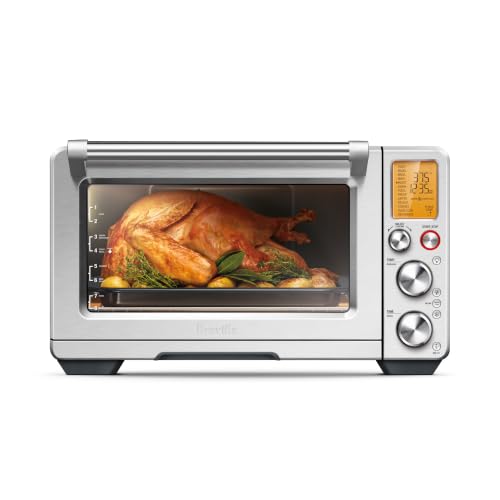
| Product | Best For | Why I Picked It |
|---|---|---|
| Overall versatility | Large capacity and broad feature set | |
| Families | Large cooking space | |
| Regular bakers | Baking-focused controls | |
| Budget shoppers | Lower entry cost | |
| Small kitchens | Compact size |