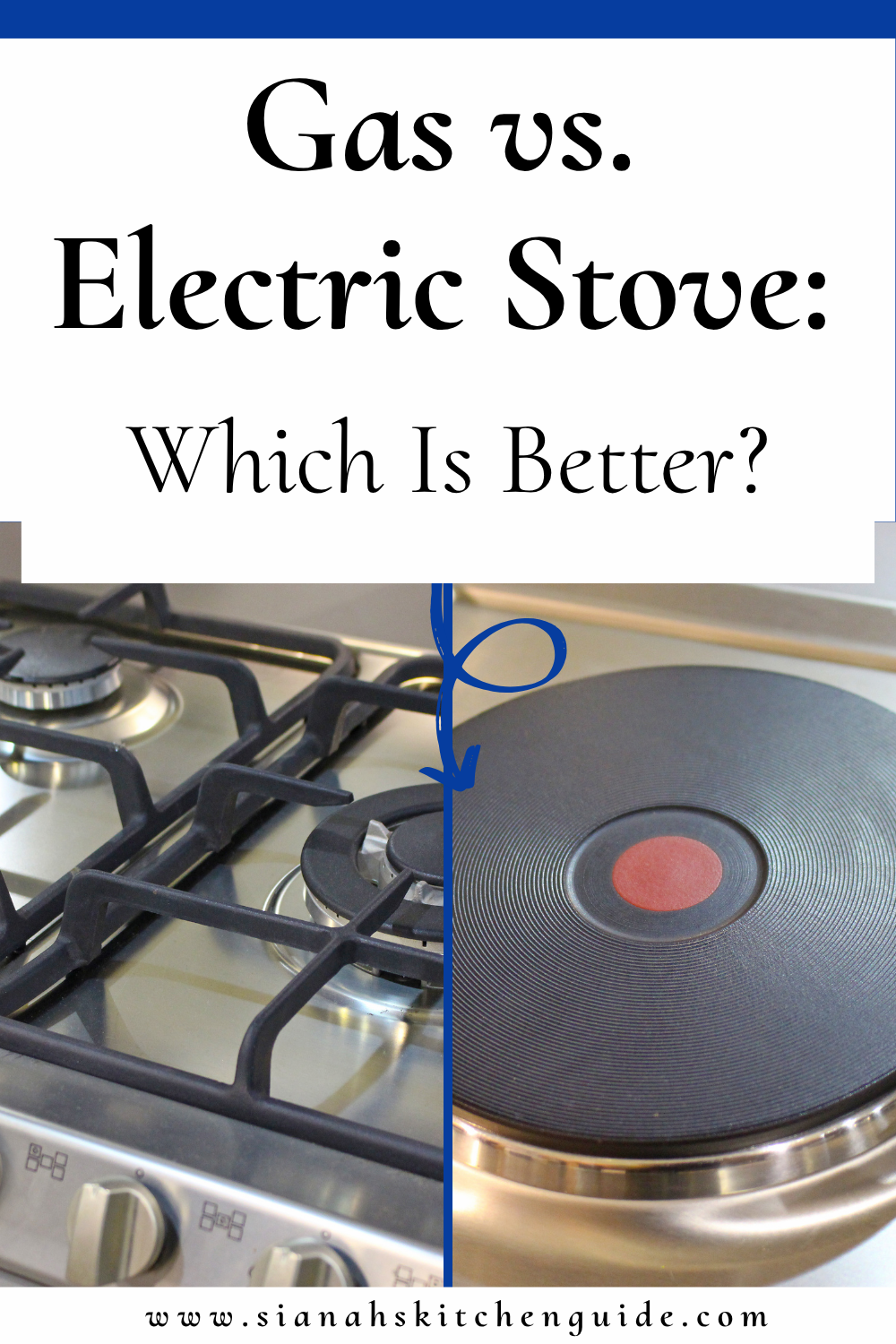
If you’re stuck on a gas vs. induction stove debate, you’re probably looking at two very different cooking experiences and wondering which one will actually suit your kitchen.
Gas gives you the familiar sight of a flame and the ability to adjust heat instantly, while induction takes a completely different approach by heating the cookware directly with magnetic energy.
Both can produce excellent food. Both can handle everyday cooking, serious meals, and everything in between. And both have people who absolutely swear by them.
The real difference shows up when you start using them every day.
Gas has that responsive, hands-on feel that many cooks love. You can see the flame change as you adjust the burner, move a pan around, and cook with a method that has been familiar to cooks for generations.
Induction feels modern. It heats cookware quickly, offers precise temperature control, and gives you a smooth cooking surface that can be appealing in a modern kitchen.
Then there are the practical questions. How easy is each one to clean? Which uses energy more efficiently?
What happens when you need very high heat? What kind of cookware can you use? And which one makes more sense for the way you cook?
Once you look at those differences side by side, the gas vs. induction stove decision becomes much easier to make.
Our Top Stove Picks
Table of Contents
ToggleIf you’re already shopping, these are the models from our lineup that make the most sense for this comparison.
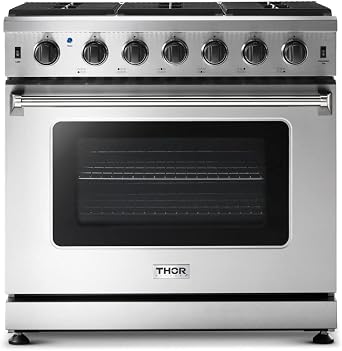
Best Professional Gas Range: THOR Kitchen 36-Inch Gas Range
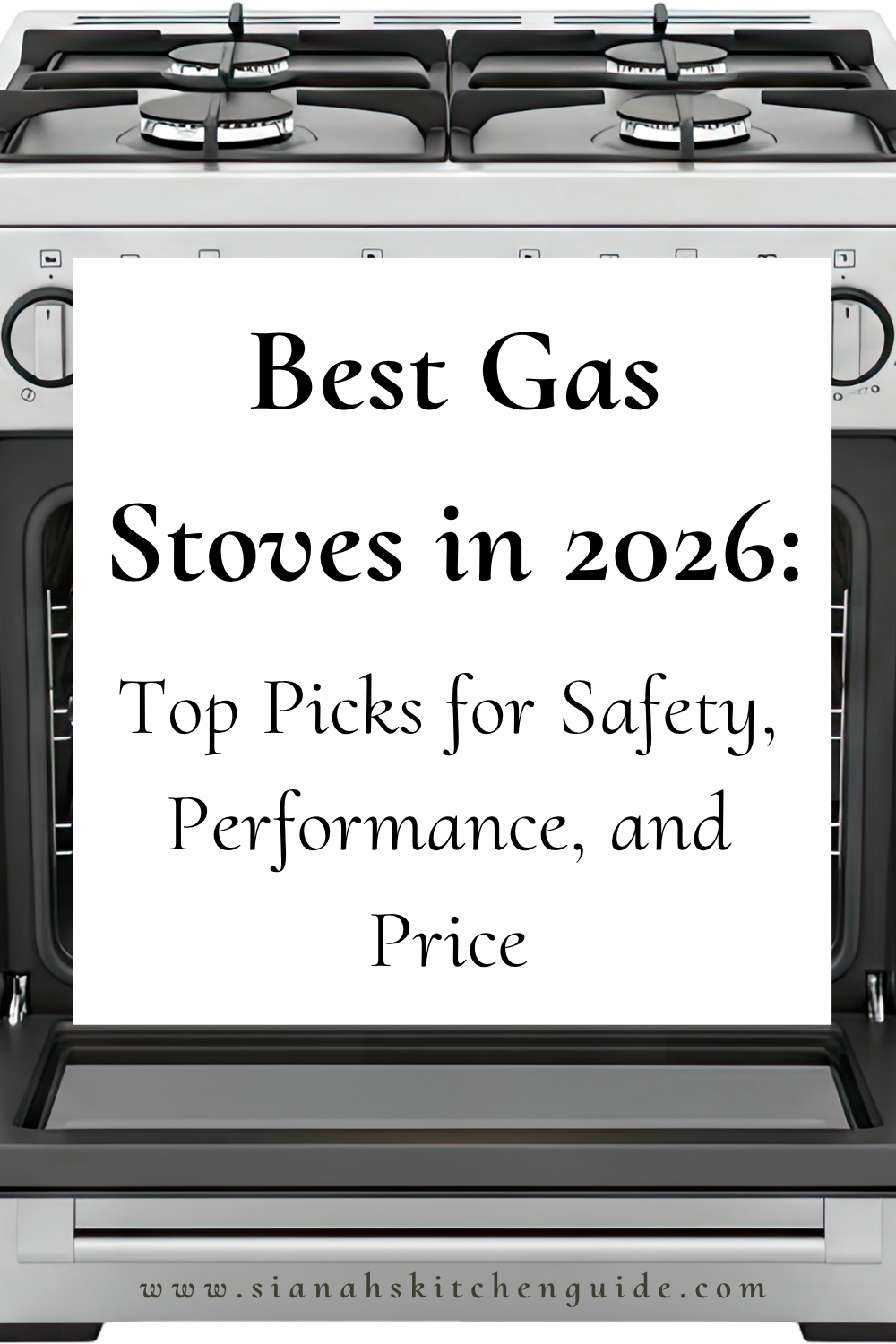
If you love cooking over a flame and want serious cooking space, the THOR Kitchen 36-inch professional gas range is the gas option I would look at first.
Click here to buy the THOR Kitchen 36-Inch Professional Gas Range on Amazon.

Best Induction Range: KoolMore 36-Inch Professional Induction Range
The KoolMore gives you a 36-inch induction cooking surface, 11 kW of power, a true-convection oven, and a 6-cu.-ft. oven capacity.
It’s aimed at the cook who wants the speed and control of induction without giving up the size of a professional range.
Click here to buy the KoolMore 36-Inch Professional Induction Range on Amazon.


Best 30-Inch Induction Range
If 36 inches feels like a lot of stove for your kitchen, the 30-inch professional slide-in induction range is a more compact option. It combines four induction burners with a convection oven, air fry function, pizza stone, and smart-touch controls.
Click here to buy the 30-Inch Professional Slide-In Induction Range on Amazon.
Gas vs. Induction Stove: What’s the Real Difference?
Gas heats your cookware with a flame.
Induction heats compatible cookware through electromagnetic energy. The heat is generated in the cookware itself rather than coming from a flame underneath it.
The U.S. Department of Energy notes that induction can be significantly more efficient than traditional gas cooking.
That difference affects almost everything else. It affects speed, temperature control, cleanup, cookware, and even how hot your kitchen feels.
Is Induction Better Than Gas?
For many everyday cooking tasks, induction is better than gas.
It heats quickly, responds almost immediately when you change the setting, provides excellent low-temperature control, and keeps more of the cooking heat where you actually want it: in the pan.
Gas still has advantages.
You can use virtually any cookware on it, you can cook directly over the flame, and some cooks prefer the feel and visual feedback of gas.
So if you’re asking, is induction better than gas? I would say induction wins on overall cooking efficiency and precision, while gas wins on familiarity and cookware flexibility.
Your cooking style decides the rest.
Which Is Faster: Gas or Induction?
This is one area where induction has a serious advantage.
Induction transfers heat directly into compatible cookware, which means less energy is wasted heating the surrounding air.
Induction can heat cookware faster than conventional gas and electric burners, although the actual performance varies by model and cookware.
That can make a difference when you’re standing over a pot of water wondering why boiling dinner is taking forever.
If speed matters to you, induction deserves serious consideration.
What About Electric vs. Induction Stove?
This comparison gets confusing because induction is technically electric, but it doesn’t cook like a traditional electric stove.
A conventional electric range uses a heating element to produce heat, which then transfers to the cookware.
Induction uses electromagnetic energy to heat the cookware directly.
That means an electric vs. induction stove comparison usually comes down to speed and responsiveness.
Induction is generally faster and more responsive. A traditional electric cooktop can take longer to heat and cool because the heating element and cooking surface retain heat.
Induction also tends to make cleanup easier because the cooking surface itself doesn’t become as hot as a conventional radiant electric element.
If you’re deciding between standard electric and induction, I would choose induction if the budget and cookware requirements work for you.
Which Is the Most Energy Efficient Cooking Stove?
If energy efficiency is your priority, induction is the clear contender.
The U.S. Department of Energy says induction appliances can be up to three times more efficient than gas stoves and up to 10% more efficient than conventional smooth-top electric stoves.
That doesn’t mean your electricity bill will automatically be lower.
Your local electricity and gas prices matter. So does how often you cook.
But from a cooking-efficiency standpoint, induction has a major advantage because much more of the energy goes directly into the cookware instead of escaping around it.
Does Induction Cook Better Than Gas?
For precision cooking, it can.
Induction responds quickly when you change the temperature and can maintain very low heat without relying on a tiny flame.
That makes it useful for things like:
- Simmering sauces
- Melting chocolate
- Cooking delicate foods
- Boiling water quickly
- Searing
- Maintaining steady temperatures
Gas is still excellent for high-heat cooking and gives you the visual feedback of the flame.
And if you love cooking directly over a flame, induction simply cannot reproduce that experience.
There’s no shame in wanting to char a pepper directly over a burner. Sometimes you want dinner to have a little drama.
Do You Need Special Cookware for Induction?
Yes.
This is probably the biggest adjustment for someone moving from gas to induction.
Induction requires cookware with a magnetic, or ferromagnetic, base. A simple magnet test can tell you whether many existing pans will work. The U.S. Department of Energy recommends using flat-bottomed cookware that attracts a magnet.
Cast iron generally works.
Some stainless steel works.
Aluminum, copper, glass, and other nonmagnetic cookware generally won’t work unless the manufacturer has added an induction-compatible magnetic base.
So before replacing your entire cookware collection, grab a magnet.
Your kitchen drawer may already contain more induction-compatible cookware than you think.
Is Induction Easier to Clean?
Usually, yes.
The flat glass surface doesn’t have gas grates, burner caps, or little crevices waiting patiently for you to discover them during cleaning.
And because the cooking surface itself isn’t producing the heat in the same way as a conventional electric element, spills are less likely to bake onto the surface while you’re cooking.
You still need to clean induction properly, and you should avoid sliding heavy cookware across the glass.
But compared with cleaning around gas burners, induction is refreshingly straightforward.
Is Gas Better for High-Heat Cooking?
Gas remains a fantastic option for high-heat cooking.
If you regularly use a wok, sear meat, char vegetables, or enjoy cooking over an open flame, gas gives you an experience induction can’t completely duplicate.
A professional gas range such as the THOR is appealing if you want multiple powerful burners and plenty of cooking space.
But don’t assume induction is weak.
Modern induction ranges can deliver extremely high cooking power, and because the heat goes directly into the cookware, they can be remarkably fast.
Is Induction Worth the Higher Price?
It can be.
Induction ranges have historically cost more than basic gas or electric models, although prices and available options have expanded considerably.
You’re paying for more than the cooking method. You’re also paying for faster heating, precise control, easier cleaning, and energy efficiency.
But if you rarely cook and mostly heat simple meals, a premium induction range may be unnecessary.
If you cook every day and care about speed and precision, the upgrade can make much more sense.
Which Stove Is Best for You?
Here’s the easiest way to make the decision.
Choose gas if you:
- Love cooking over a flame
- Use a wok frequently
- Want maximum cookware flexibility
- Prefer visible heat control
- Enjoy high-heat cooking
Choose induction if you:
- Want fast heating
- Care about energy efficiency
- Want precise temperature control
- Prefer easy cleanup
- Don’t mind using compatible cookware
- Want a cooler cooking surface
Choose conventional electric if you:
- Want a simple cooking setup
- Prefer a smooth cooktop
- Want to avoid gas
- Don’t need the speed or premium features of induction
If you’re still comparing all three technologies, our Gas vs. Electric Stove: Which Is Better? guide breaks down the gas-versus-electric side of the decision without making you start from scratch.
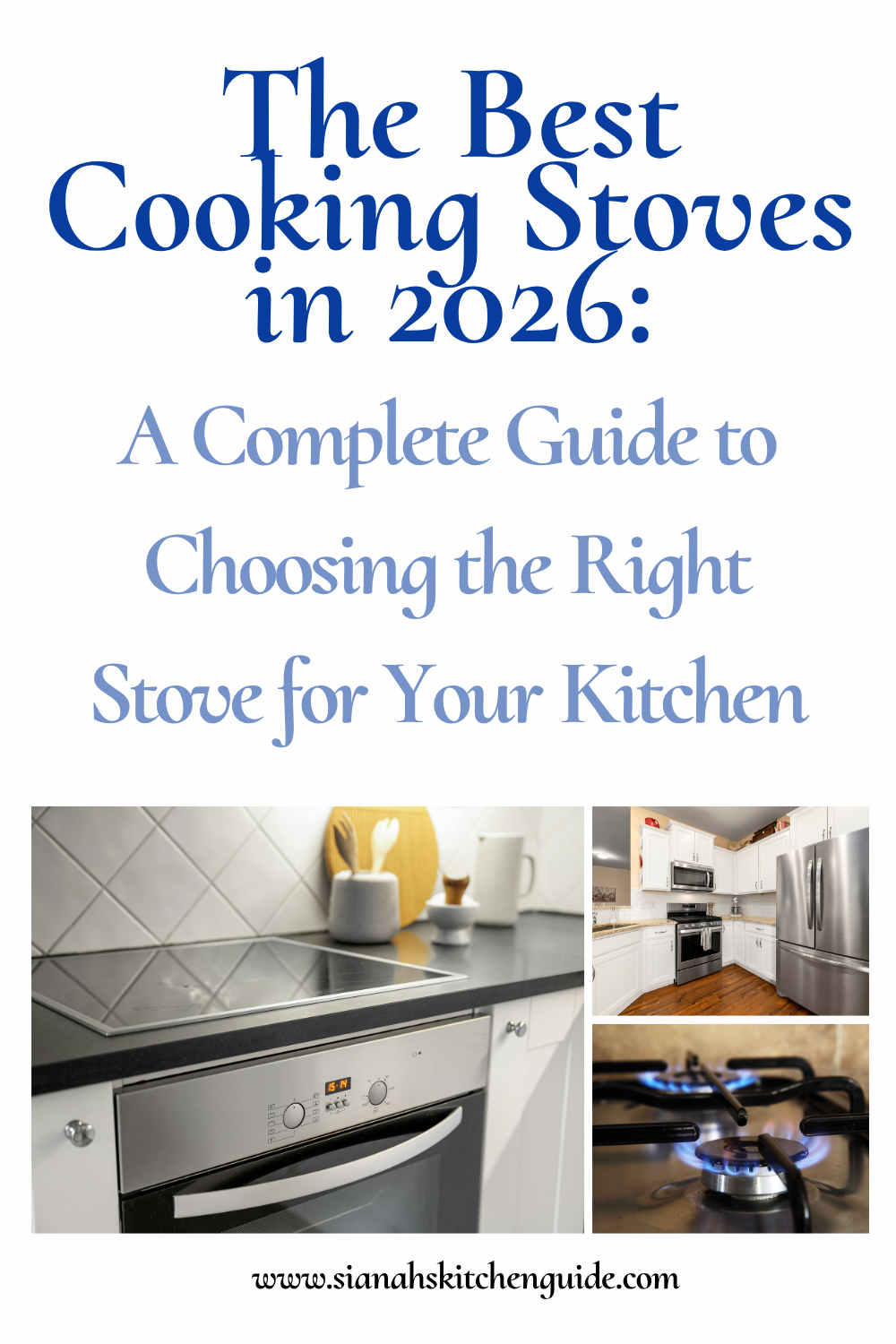
And when you’re ready to step back and look at the whole buying decision, the Best Cooking Stoves in 2026: A Complete Guide to Choosing the Right Stove for Your Kitchen brings everything together.
Frequently Asked Questions
Is induction better than gas?
For speed, energy efficiency, precise temperature control, and easy cleanup, induction has several advantages over gas. Gas remains better for open-flame cooking and works with virtually any cookware.
Does induction use less energy than gas?
Yes. Induction transfers heat directly into compatible cookware, making it more efficient than traditional gas cooking. Your actual energy costs will still depend on local utility prices and how much you cook.
Is induction better than electric?
Induction is generally faster and more responsive than conventional electric cooking. It also heats the cookware directly and usually provides better temperature control.
Can you use cast iron on an induction stove?
Yes. Cast iron is generally induction-compatible because it is magnetic. However, cast iron can scratch a glass induction surface, so lift the cookware rather than drag it.
Do all stainless steel pans work on induction?
No. Stainless steel cookware needs a magnetic base to work with induction. If a magnet sticks firmly to the bottom of the pan, it is a good indication that the cookware is induction-compatible.
Does induction get as hot as gas?
Induction can reach very high cooking temperatures and can heat cookware extremely quickly. The difference is that the heat is generated in the cookware rather than by an open flame.
Does induction make noise?
Some induction cooktops produce a faint buzzing or humming sound, particularly at higher power settings. The sound can vary depending on the cookware and the appliance.
Is switching from gas to induction worth it?
For many households, yes, particularly if you want faster cooking, easier cleanup, precise temperature control, and greater cooking efficiency. The main things to check first are your cookware and the electrical requirements of the induction range.
Conclusion
The gas vs. induction stove decision really comes down to what you want your kitchen to feel like.
Gas gives you the flame, the familiar controls, and the freedom to put almost any pan on the burner.
Induction is faster, cleaner, more efficient, and wonderfully precise.
If you love the routine of cooking over a flame, gas still has plenty going for it. But if you’re looking at your old stove and thinking, there has to be a faster way to boil this water, induction might be exactly what you’ve been waiting for.
And if you’re still not sure, that’s okay. The best type of cooking stove isn’t determined by which technology is winning the internet argument.
It’s the one that makes sense for your cookware, your cooking habits, your kitchen, and your budget.