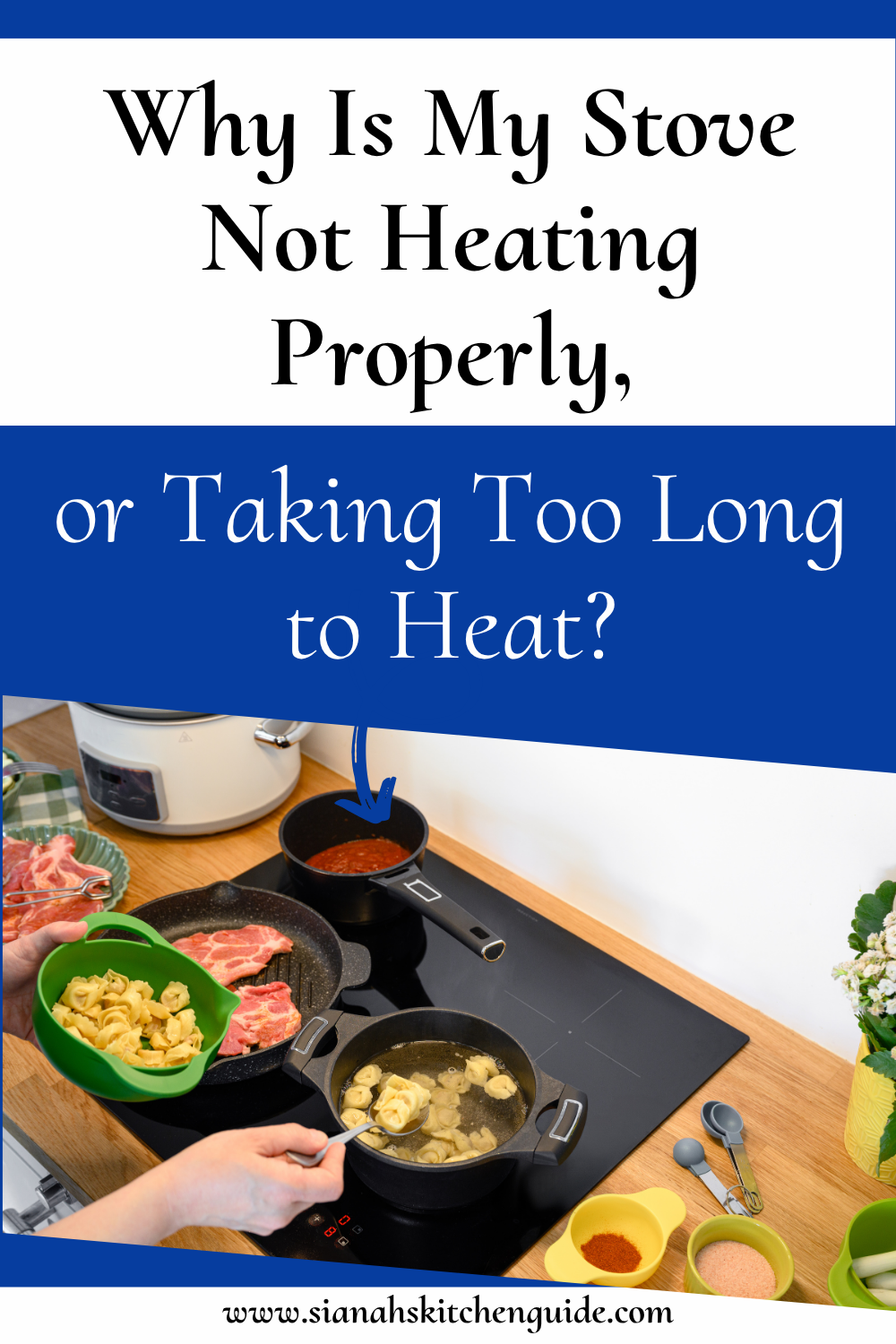
How to clean a glass-top stove is something I had to learn the hard way, standing over mine with a butter knife at eleven at night, trying to chip off a ring of burnt sugar like I was performing surgery.
Glass-top stoves look gorgeous when they’re clean. That flat, glossy surface makes a kitchen feel put together in a way that almost no other appliance can.
Then you cook one pot of marinara that decides to bubble over, or a pan of bacon that spits grease across the whole thing, and suddenly your sleek stove looks like it lost a fight.
Here’s what I wish someone had told me sooner. Knowing how to clean a glass-top stove without scratching it comes down to the right combination of cleaner, tool, and timing, used the way the surface actually wants to be treated instead of whatever sponge is sitting by the sink.
Once you find the best cleaner for glass-top stove messes and understand how to remove burnt food from glass-top stove surfaces without a fight, the rest gets easy.
And that’s really the goal. Not a perfect stove every second of every day, but learning how to keep a glass-top stove clean enough that a few minutes brings it right back to shiny.
What Do You Need to Clean a Glass-Top Stove?
Table of Contents
ToggleYou don’t need an entire cabinet of cleaning products.
For everyday cleaning, you’ll want:
- A ceramic or glass cooktop cleaner
- A soft cloth or paper towel
- A non-scratch cleaning pad
- A cooktop razor scraper for stubborn, burned-on residue
GE Appliances recommends using an approved ceramic cooktop cleaner and warns that unsuitable cleaners or sponges can damage the surface.
If you’re shopping for the best cleaner for glass top stove surfaces, look for one specifically designed for ceramic or glass cooktops rather than reaching for a general household cleaner.
How to Clean a Glass Top Stove After Everyday Cooking
The easiest way to keep a glass cooktop beautiful is to clean small messes before they become permanent-looking disasters.
First, turn off the burners and allow the surface to cool. Then apply a small amount of your glass cooktop cleaner to the dirty areas.
Use a soft cloth or recommended cooktop pad to work the cleaner over the surface. Once the residue has lifted, wipe away the cleaner with a clean, dry cloth or paper towel.
Clean the glass surface every time you use it because regular cleaning makes the cooktop easier to maintain and helps keep it looking new.
And honestly, this is one of those kitchen habits that takes less time than cleaning a mountain of dishes later.
How to Clean a Glass Top Stove Without Scratching It
When you’re figuring out how to clean a glass top stove without scratching it, resist the temptation to treat stubborn marks like you’re cleaning a cast-iron pan.
Don’t drag heavy cookware across the surface. Don’t use abrasive cleaning tools just because a mark refuses to disappear. And be careful with the bottoms of your pots and pans because rough spots can scratch the glass.
For regular cleaning, stick with a cleaner and pad designed for ceramic glass cooktops.
If you have metal marks from cookware, these can often be removed with a cooktop cleaner, a recommended cleaning pad, and, when appropriate, a razor scraper.
How to Remove Burnt Food From a Glass Top Stove
This is usually the moment when people are convinced their stove is done for.
It’s probably not.
If you’re wondering how to remove burnt food from a glass-top stove surface, start by letting everything cool completely. Warm glass and cleaner is a bad combination, so give it time.
Once it’s cool, apply a ceramic cooktop cleaner directly to the burned spot and work it in gently with a non-scratch pad. Let it sit for a minute before you even start scrubbing.
For the really stubborn stuff, a cooktop razor scraper earns its keep. GE Appliances recommends holding the blade at about a 45-degree angle and keeping cleaner on the area while you scrape.
You’re not attacking the glass here. You’re coaxing that residue off, one gentle pass at a time.
And whatever you do, leave the kitchen knife in the drawer. Your stove has been through enough without a duel.

What About Sugary Spills and Melted Plastic?
This is one situation where you don’t want to wait for the cooktop to cool completely.
Sugary spills and melted plastic can cause permanent pitting if they’re allowed to remain on the hot glass surface. You must turn off the stove, remove the hot pan, and carefully scrape the spill toward a cooler area while wearing an oven mitt.
For anything involving a hot spill, follow your stove manufacturer’s instructions first.
How Often Should You Clean a Glass-Top Stove?
For the best-looking cooktop, give it a quick wipe after each use, once the surface has cooled.
That doesn’t mean a nightly deep-cleaning ceremony. Nobody has time for that, and your stove doesn’t need it.
A quick wipe handles the everyday splatters. Then every so often, a more thorough clean takes care of the buildup, discoloration, and residue that a wipe alone won’t touch.
If you want to know how to keep a glass-top stove clean without it eating your evenings, the answer is boring but true: little and often wins. A thirty-second wipe tonight beats a scraper session next weekend.
Small cleanup now beats a deep cleanse later.
How Do You Keep a Glass Top Stove Looking New?
A few habits can make a big difference:
Clean spills promptly. Especially anything sugary or sticky.
Use cookware with smooth bottoms. Rough or damaged cookware can scratch the surface.
Lift instead of slide. When moving heavy pots, pick them up rather than dragging them across the glass.
Use the correct cleaner. A ceramic cooktop cleaner is designed for this type of surface.
Don’t scrub aggressively. More force doesn’t necessarily mean better cleaning.
And if you’re buying a new glass-top stove, keep the manufacturer’s care instructions somewhere you can actually find them. Different surfaces can have specific recommendations.
Frequently Asked Questions
Can I use regular glass cleaner on a glass-top stove?
It’s better to use a cleaner specifically designed for ceramic or glass cooktops. Use approved cooktop cleaners only. Unsuitable cleaners can damage the surface.
Can I use a razor scraper on a glass-top stove?
A cooktop-specific razor scraper can be used for stubborn burned-on residue when you use it correctly. GE Appliances recommends holding the scraper at approximately a 45-degree angle for its glass cooktops. Always follow your own stove manufacturer’s instructions.
How do I clean a glass top stove without scratching it?
Use a ceramic cooktop cleaner with a soft cloth or non-scratch cleaning pad. Avoid abrasive tools and don’t drag rough or damaged cookware across the surface.
What is the best cleaner for a glass top stove?
A ceramic or glass cooktop cleaner is the safest starting point. You can use products such as CeramaBryte or other approved cooktop cleaners for glass surfaces.
How do I remove burnt food from a glass top stove?
Let the surface cool, apply ceramic cooktop cleaner, and use a non-scratch pad. For stubborn burned-on residue, a cooktop razor scraper can help lift the buildup.
Can baking soda be used on a glass-top stove?
Before using baking soda or another homemade cleaner, check your stove manufacturer’s care instructions. Some manufacturers specifically recommend dedicated ceramic cooktop cleaners, so following the model’s instructions is the safer choice.
How do I keep a glass top stove clean?
Clean the surface after cooking once it has cooled, deal with spills promptly, use the correct cookware and cleaning products, and avoid dragging pots and pans across the glass.
Conclusion
A glass-top stove is one of those appliances that looks fantastic when it’s clean and makes every little splash of tomato sauce feel personally offensive when it isn’t.
Fortunately, keeping it looking beautiful doesn’t require complicated cleaning routines.
Use the right cooktop cleaner, clean regularly, handle burned-on food carefully, and treat the glass surface with a little respect.
You’ll spend less time fighting stubborn stains and more time enjoying the sleek, polished look that probably attracted you to the stove in the first place.
Because when you chose a glass-top stove, you didn’t choose it just because it cooks.
You chose it because you wanted your kitchen to look good too.