You know something is wrong when dinner starts taking twice as long for no obvious reason.
One burner seems perfectly fine. Another barely gets hot. And the oven insists it’s reached temperature while your food very clearly disagrees.
If your stove is not heating properly, don’t jump straight to replacing the whole range. Sometimes the fix is as simple as a burner that needs a good cleaning. Other times it points to an electrical issue or a part that needs a professional’s eyes on it.
Why Is My Stove Not Heating Properly?
Table of Contents
ToggleWhen a stove isn’t heating the way it should, the first thing to figure out is whether the problem is one burner, several burners, or the oven too.
A single burner behaving strangely usually points to the burner element itself, a loose connection, clogged gas ports, or even the cookware you’re using.
If several electric burners are weak at the same time, the power supply is worth a closer look. A range running on partial voltage can still have a working clock even while the surface units or oven do not heat properly.
On a gas stove, grimy or clogged burner ports are often the culprit behind uneven heat.
So before you assume the whole stove has given up, look closely at exactly what is and isn’t heating.
Why Does My Stove Take So Long to Heat?
If your stove takes too long to heat, start with the basics.
On an electric cooktop, check whether the burner is heating evenly and whether your cookware actually has a flat bottom. GE Appliances recommends flat, smooth-bottom pots and pans for smooth-top and certain electric surfaces, since an uneven pan bottom throws off how well the element can transfer heat.
On gas, take a look at the flame. It should burn evenly, without gaps, and the ports shouldn’t be caked in food or grease.
And if it’s the whole range that suddenly feels weaker, not just one burner, that’s usually a bigger clue that something else is going on.
That’s often when you’ll also notice one stove burner is hotter than the others, a stove that turns off by itself, or a stove that gets too hot, and those patterns are worth paying attention to rather than working around.
Why Is One Stove Burner Hotter Than the Others?
Here’s something that trips people up. When one stove burner is hotter than the others, that doesn’t automatically mean your stove is dying.
Burners aren’t all built the same. That big one on the front is probably meant to run hot, while the little simmer burner next to it was never supposed to keep up. That’s just how ranges are designed.
What actually matters is change over time. If a burner that used to act completely normal starts running noticeably weaker, or suddenly much hotter than it used to, that’s the thing worth paying attention to.
If you have a gas stove, pop the burner cap off and make sure it’s seated correctly, then check the ports for grease or food buildup. Whirlpool points to clogged ports as a common reason burners stop performing the way they should.
If you have an electric stove, you’re probably looking at a loose connection or an element that’s starting to fail.
And if the change happened suddenly rather than gradually, don’t just work around it by cooking on a different burner. Something changed, and it’s worth figuring out what.
Why Is My Stove Turning Off by Itself?
A stove turning off by itself can have several causes, depending on the type of range.
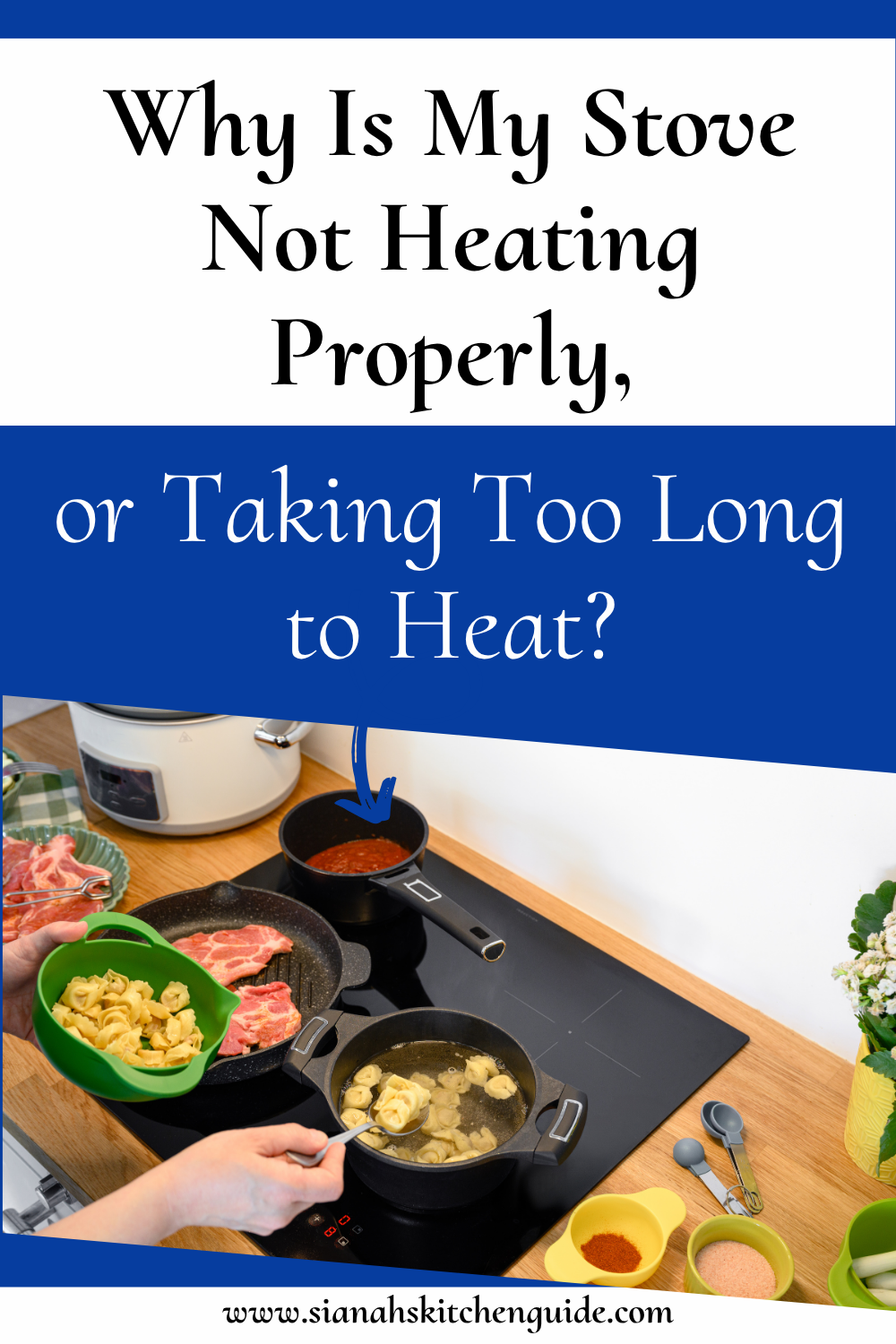
Some electric and induction cooking surfaces cycle their heating elements on and off as part of normal temperature control. That can look alarming if you’re expecting the burner to glow continuously, but cycling doesn’t necessarily mean something is wrong.
If the burner completely shuts down and won’t resume heating, however, that’s different.
Check your owner’s manual for any automatic shutoff or temperature-protection features specific to your model. If the stove repeatedly shuts down unexpectedly, especially along with an error message or electrical issue, it’s time to stop experimenting and have the appliance checked.
Why Is My Stove Getting Too Hot?
If your stove is getting too hot, first determine whether you mean the cooking surface, the oven, or the food itself.
If the food is burning much faster than usual, check the actual cooking temperature rather than relying only on how the controls feel. With an oven, an oven thermometer can help determine whether the temperature is significantly different from the setting.
Whirlpool recommends checking the temperature sensor and oven calibration when an oven isn’t heating or baking properly.
If the cooktop itself is becoming unusually hot, or the appliance is producing unusual smells, sparks, smoke, or other signs of an electrical or gas problem, stop using it and get professional help.
When Should You Stop Troubleshooting?
There is a difference between cleaning a burner and taking apart a range.
You can safely handle basic checks recommended in your owner’s manual, such as confirming settings, checking whether a breaker has tripped, making sure removable burner components are positioned correctly, or cleaning accessible burner ports when the appliance is completely cool.
But electrical connections, gas lines, heating-element replacement, and other internal repairs are better left to a qualified professional.
And if you smell gas, see sparks, notice damaged wiring, or the appliance repeatedly trips a breaker, don’t keep testing it to see what happens next.

When Is It Time for a New Stove?
Sometimes the problem is a repair.
Sometimes it’s the appliance telling you that it has reached the end of its useful life.
If your stove is older, repeatedly develops problems, heats inconsistently, or no longer gives you the cooking space and features you need, replacing it can make more sense than continuing to repair one issue after another.
And if you’re already shopping for a replacement, this is a good time to think beyond simply finding another version of what you had.
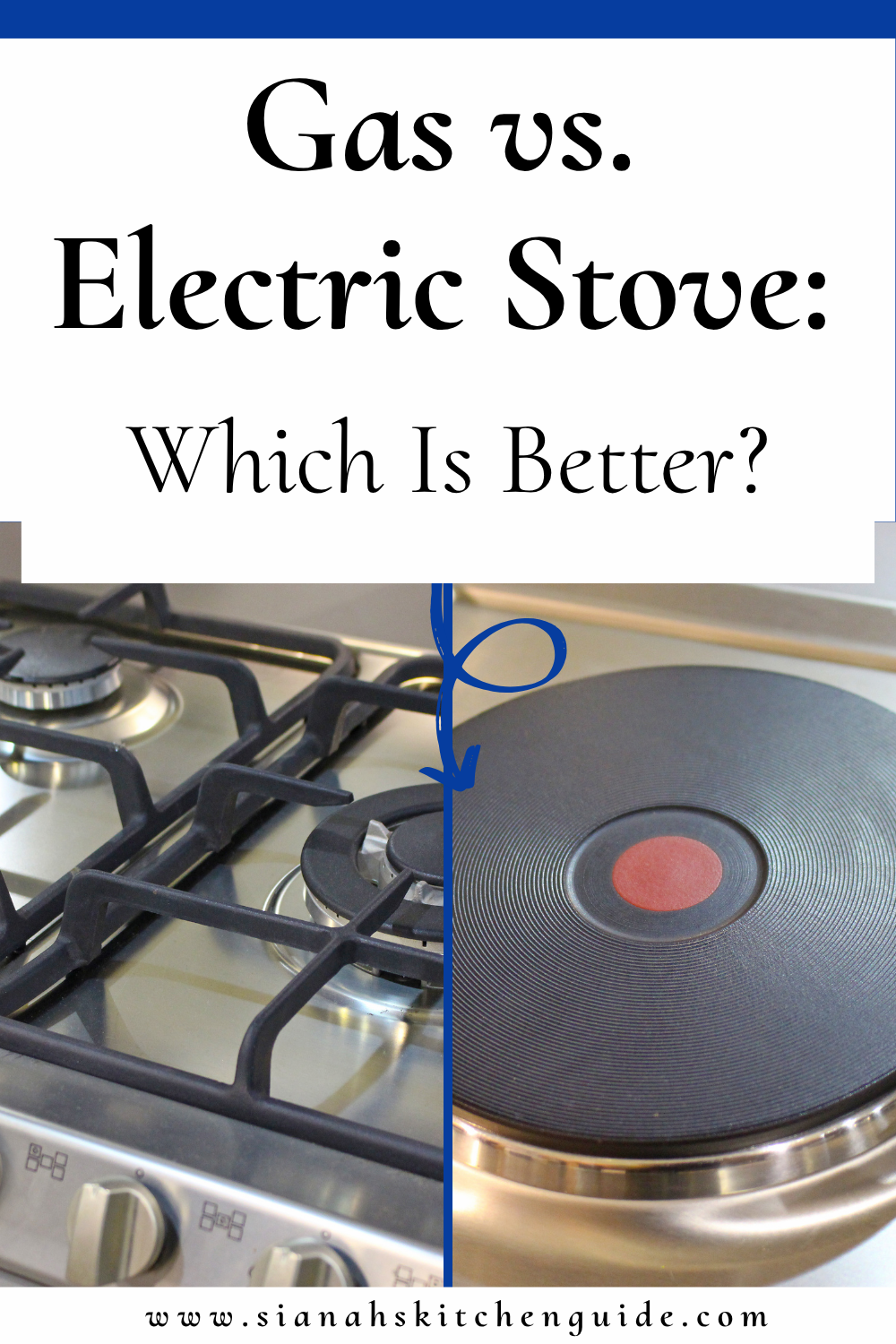
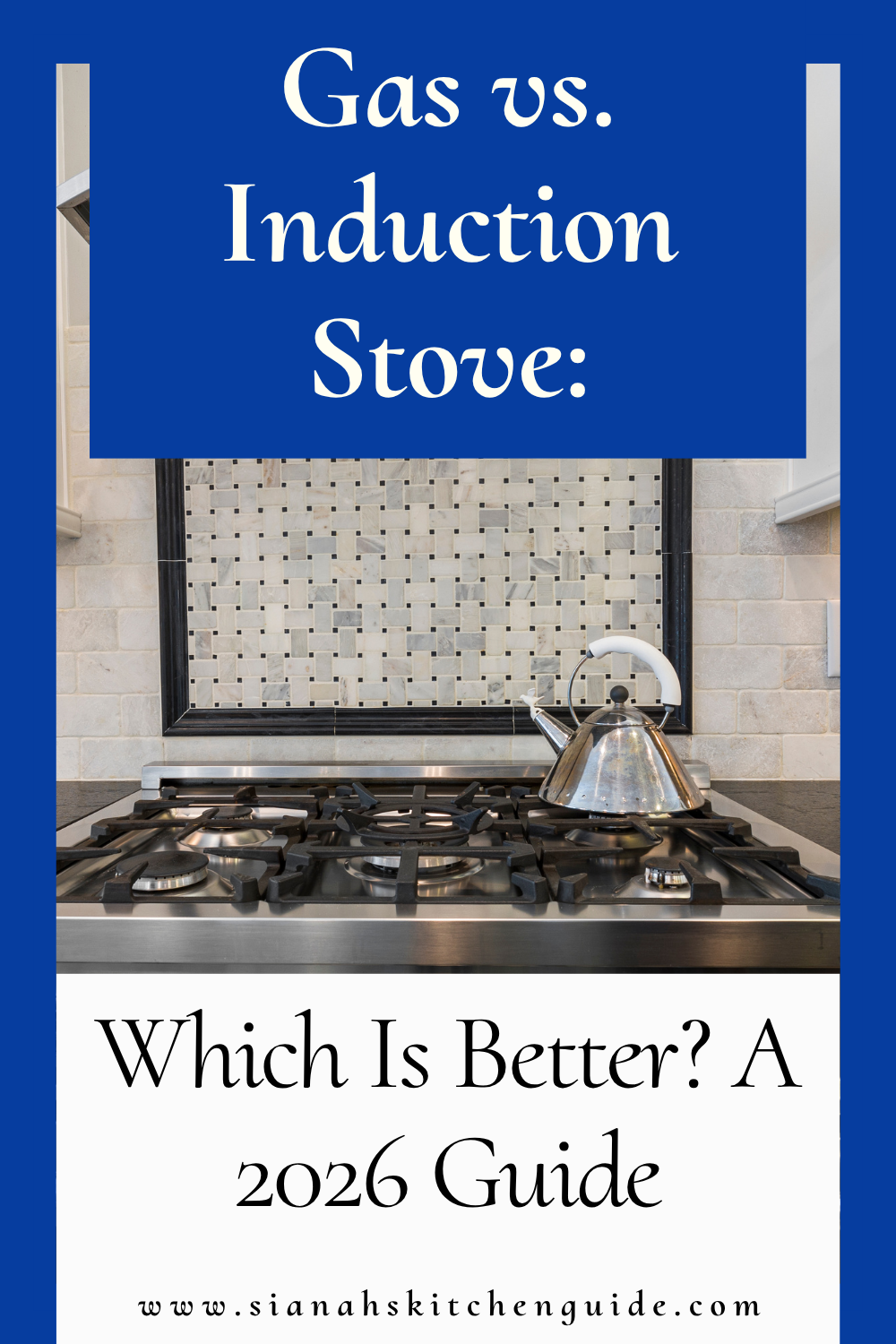
A larger range could give you more room to cook. Induction could give you faster, more precise heating. A dual-fuel range could combine gas burners with an electric oven. Or you might simply want a beautiful professional-style stove that makes the kitchen feel finished.
The goal isn’t just to get heat back.
It’s to get a stove that works with the way you cook.
Frequently Asked Questions
Why is my stove not heating properly?
Possible causes include a faulty burner or heating element, clogged gas burner ports, an electrical supply problem, incorrect cookware, or another component that needs service. The exact cause depends on whether you’re using a gas, electric, or induction stove.
Why does my stove take so long to heat?
A slow-heating stove can be caused by a weak or faulty heating element, burner problems, electrical issues, clogged gas ports, or cookware that isn’t transferring heat properly. Check whether the problem affects one burner or the entire stove.
Why is one stove burner hotter than the others?
Some burners are intentionally more powerful than others. If a burner has suddenly become much hotter or weaker than comparable burners, check the burner components and consult your owner’s manual before assuming the entire range needs replacing.
Why is my stove turning off by itself?
Some cooking surfaces cycle on and off normally to regulate temperature. If your stove completely shuts down unexpectedly, check the manual for automatic shutoff features and look for error codes. Repeated unexpected shutdowns may require professional service.
Why is my stove getting too hot?
If the oven is overheating, the temperature sensor or calibration may be involved. If the cooktop itself becomes unusually hot or you notice smoke, sparks, unusual odors, or electrical problems, stop using the appliance and have it inspected.
Should I repair or replace a stove that isn’t heating properly?
Repair may make sense when the problem is minor or the appliance is relatively new. Replacement becomes more attractive when an older stove has repeated problems, expensive repairs, poor performance, or no longer meets your cooking needs.
Can I fix a stove that isn’t heating myself?
Basic checks and cleaning may be appropriate when your owner’s manual recommends them. Internal electrical, gas, and heating-system repairs should be handled by a qualified professional rather than turned into an unexpected weekend engineering project.
Conclusion
A stove that isn’t heating properly can make you question the entire appliance, but one bad burner doesn’t automatically mean it’s time for a replacement.
Figure out what isn’t heating, how it’s behaving, and whether the problem is new. That usually gives you a much better starting point.
And if your stove has been struggling for a while, consider whether you’re really looking for a repair or whether you’re ready for a range that gives you better performance, more cooking space, and a kitchen you actually enjoy looking at.
Sometimes the best upgrade starts with a burner that finally makes you say, “Okay, I’ve had enough.”