Yes, and the fact that so many people search can you put hot soup in a blender before actually doing it tells you something important, this genuinely isn’t a task to wing without a little caution.
We learned this one the loud way with a pot of fresh tomato soup, a sealed lid, and a countertop that ended up wearing more soup than we did.
Nobody was hurt, thankfully, but it was exactly the kind of mess a little planning would have prevented entirely.
If overheating and pressure inside a blender in general are already on your mind, Why Does My Blender Smell Like It’s Burning? covers a related strain issue, and What Should I Look for in a Blender? is worth reading if you’re shopping specifically with soup-making in mind.
What’s Actually Happening Inside a Sealed, Hot Jar
Table of Contents
ToggleThe real reason why hot soup explodes in a blender comes down to simple physics, not a design flaw.
Hot liquid produces steam rapidly once agitated, and steam takes up dramatically more space than the liquid it came from.
In a fully sealed jar, that expanding steam has nowhere to go, so pressure builds until it forces its way out through the weakest point, usually the lid.
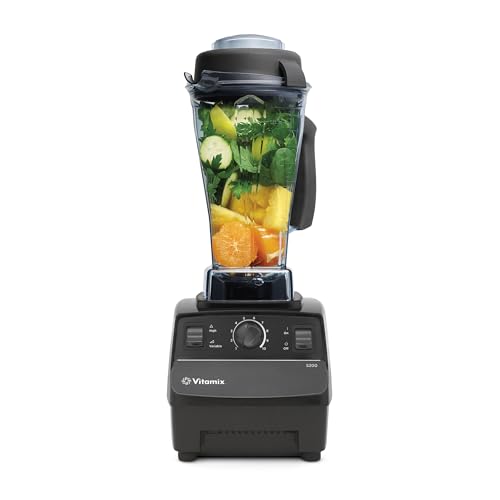
Vitamix 5200 Professional-Grade Blender, 64 oz
Its heat-resistant container is genuinely built with this exact scenario in mind, though the manufacturer’s guidance still applies regardless of how durable the jar itself is.
Click here to buy the Vitamix 5200 Professional-Grade Blender on Amazon.
When Liquid Reaches the Motor
This is the exact situation behind most concerns about why liquid is getting into my blender base, and it deserves a separate, more serious treatment than a simple gasket swap.
Liquid that’s genuinely reaching the base itself, rather than just dripping from the jar onto the counter, is touching electrical components, not just a seal.
A leak at the lid or jar is usually a DIY fix. A leak that’s actually reaching the base is not.
Vitamix 5200 Professional-Grade Blender, 64 oz
Because of how sealed and precisely built the base assembly is, this is exactly the kind of leak we’d stop using immediately and call in about, rather than attempting a home fix.
Click here to buy the Vitamix 5200 Professional-Grade Blender on Amazon.
Doing It Without a Kitchen Disaster
Figuring out how to blend hot soup safely really comes down to a few steps.
Let the soup cool for a few minutes before it goes anywhere near the blender, rather than pouring it in straight off the stove. I ruined my mini food processor this way. After adding hot fish into it, it came out in a different shape.
Fill the jar no more than halfway, since hot liquid needs real headspace to expand into.
Remove the small center cap from the lid so steam has somewhere to escape rather than building pressure behind a sealed surface, and drape a folded towel loosely over that opening to catch any splatter without blocking the vent.
Start on the lowest speed setting and increase it gradually. Jumping straight to high speed agitates the liquid and produces steam far faster than a slow ramp-up does.
Turelar Immersion Blender Handheld Corded, 1100W 5 in 1
Since this one works directly in the pot rather than requiring hot liquid to be transferred and sealed anywhere, several of the pressure concerns above genuinely don’t apply the same way.
Click here to buy the Turelar Immersion Blender Handheld Corded on Amazon.
Weighing a Countertop Blender Against an Immersion Blender
For soup specifically, whether a blender or immersion blender genuinely serves you better depends on how much you value convenience versus texture.
An immersion blender purees directly in the pot, which sidesteps the entire transfer-and-seal risk that makes countertop blending hot liquids nerve-wracking in the first place.
A countertop blender, used carefully with proper venting and cooling time, typically produces a smoother, more consistent texture, since the blade geometry and vortex motion process ingredients more thoroughly than a single submerged blade can.
KitchenAid Variable Speed Corded Hand Blender, KHBV53
We reach for this one specifically for soup, since blending straight in the pot means never dealing with steam pressure buildup at all, just genuinely easy cleanup afterward.
Click here to buy the KitchenAid Variable Speed Corded Hand Blender on Amazon.
Cuisinart CSB-179 Smart Stick Variable Speed Hand Blender
Its variable speed control lets us start gently right in the pot and build up gradually, the same principle that matters for hot liquids in a countertop blender, just without ever needing to transfer anything.
Click here to buy the Cuisinart CSB-179 Smart Stick Variable Speed Hand Blender on Amazon.
Choosing the Right Machine for Regular Soup-Making
If soup is a regular habit rather than an occasional dish, the blender best for making soup comes down to a heat-resistant container, a genuinely well-fitted vented lid, and a motor with enough power that you’re not running it excessively long just to get a smooth result. Longer processing time means more steam production overall.
Frequently Asked Questions
Can you put hot soup in a blender?
Yes, but it requires real caution. Letting the soup cool slightly, venting the lid, filling only halfway, and starting on low speed all genuinely reduce the risk.
Why does hot soup explode in a blender?
Steam expands rapidly inside a sealed jar and has nowhere to escape, building pressure until it forces the lid open, often violently.
How do you blend hot soup safely?
Let it cool a few minutes first, fill the jar no more than halfway, remove the lid’s center cap to vent steam, cover loosely with a towel, and start on the lowest speed.
Is a blender or immersion blender better for soup?
An immersion blender avoids the pressure risk entirely since it works directly in the pot. A countertop blender generally produces a smoother texture but requires more careful handling with hot liquids.
What blender is best for making soup?
One with a heat-resistant container, a properly vented lid, and enough motor power to reach a smooth result without needing to run excessively long.
Conclusion
Blending hot soup is genuinely safe once you understand why it can go wrong, expanding steam with nowhere to escape.
Cool it slightly, vent the lid, fill it halfway, and start slow, and you’ll get a smooth, restaurant-quality soup without the countertop cleanup we learned to avoid the hard way.