...

What Should I Look for in a Blender?

Knowing what to look for in a blender starts with ignoring the number that gets the most attention on the box. 

That is wattage, and looking at the handful of quieter details that actually determine whether the thing performs well for years or dies quietly in a cabinet after six months.

We learned this ourselves the expensive way. Our first blender advertised 1500 watts and still left ice chunks floating in every single smoothie. 

The problem was never the number. It was everything the number was hiding.

How Do I Know if a Blender Is Good?

Table of Contents

Look beyond any single specification and focus on how the main components work together.

A good blender has a motor that can handle the workload, blades designed to process ingredients efficiently, and a jar that supports proper circulation. 

When those three elements are well matched, you’re more likely to get consistent results and a blender that performs well over time.

A poorly engineered blender running at 1500 watts can genuinely underperform a well-designed 1000-watt machine, since motor efficiency, blade geometry, and jar shape all affect how ingredients actually move through the blades, not just how much raw power is available.

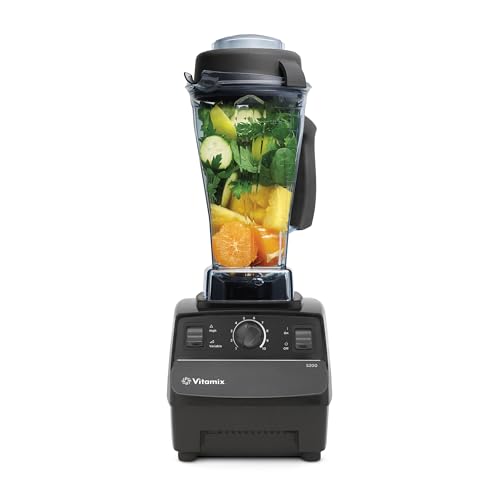
Vitamix 5200 Professional-Grade Blender, 64 oz

This one earned its reputation the honest way. Its motor and blade work together efficiently enough that it doesn’t need to advertise the biggest wattage number to outperform machines that do.

Its variable speed dial and high-speed switch give real control over texture, from a rough chop to a completely smooth puree, without ever bogging down.

Click here to buy the Vitamix 5200 Professional-Grade Blender on Amazon.

Blender Motor Power Explained

Most household blenders fall somewhere between 300 and 1,500 watts, but you don’t necessarily need the highest wattage for everyday use. 

For most common tasks like making smoothies, blending sauces, and crushing softer ingredients, a motor in the 600- to 1,200-watt range provides plenty of power.

Anything under 600 watts genuinely struggles with ice and frozen fruit, while 1000 watts and above handles tougher jobs like nut butters and fibrous vegetables with real confidence.

Ninja Professional Plus Blender, 1400W, 72oz Pitcher

At 1400 peak watts, this one has real headroom for crushed ice and frozen fruit without stalling.

Its Auto-iQ presets automatically adjust the blending process based on what you’re preparing, making it easier to get consistent results without manually changing the speed.

Click here to buy the Ninja Professional Plus Blender on Amazon.

Blender Jar Material, Glass vs. Plastic

Blender jar material glass vs. plastic is a genuinely bigger decision than it first appears.

Glass resists odors and staining, and it holds up well to hot liquids, but it’s heavier and less forgiving if it’s ever dropped. 

BPA-free plastics like Tritan are lighter and more impact resistant, though they can absorb strong odors over time if not cleaned promptly. 

However, they don’t do well with hot food. I have one that turned into a different shape altogether because I added hot food to it.

KitchenAid K400 Variable Speed Blender, 56 oz

The 56-ounce jar here strikes a genuinely nice middle ground in weight and durability, and its variable speed control lets you dial in exactly the texture you want rather than being locked into a handful of presets.

Click here to buy the KitchenAid K400 Variable Speed Blender on Amazon.

We earn a commission if you make a purchase, at no additional cost to you.
10/26/2026 05:03 am GMT

Blender Features That Actually Matter

Blender features that actually matter are fewer than most product pages suggest.

A pulse function genuinely matters, since it gives you manual control for chunkier textures presets can’t replicate. 

Self-cleaning programs are worth having but shouldn’t replace an actual rinse, since they mostly handle light residue rather than stuck-on food.

Presets are convenient but not essential, since a good variable speed dial accomplishes the same thing with more control in your own hands.

One detail people skip over and is worth looking for specifically, is NSF/ANSI Standard P388, which establishes minimum food protection and safety requirements for the materials, design, and construction of electrical countertop blenders sold at retail. 

It’s a genuine third-party safety signal, not marketing language, and it’s worth checking for in a model you’re seriously considering.

Breville BBL620DBL Fresh and Furious Blender

This one pairs a high-torque motor with multiple speed settings and genuine auto-clean functionality, covering the core features that matter without piling on ones that don’t.

Click here to buy the Breville BBL620DBL Fresh and Furious Blender on Amazon.

We earn a commission if you make a purchase, at no additional cost to you.
10/25/2026 09:00 pm GMT
How Jar Shape Affects Real Performance

Blendtec’s own buying guide notes that jars with wide bases and angled sides create a better vortex, pulling ingredients down into the blades rather than letting them spin uselessly at the top. 

A narrow or poorly shaped jar can leave a powerful motor working against physics instead of with it.

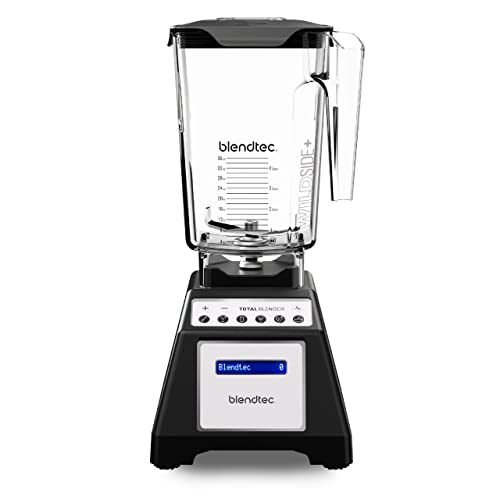
Blendtec Total Blender Classic & 90oz WildSide+ Jar

The WildSide+ jar’s asymmetric shape is built specifically around that vortex principle, pulling ingredients toward the blades far more effectively than a standard round jar manages.

Click here to buy the Blendtec Total Blender Classic & 90oz WildSide+ Jar on Amazon.

We earn a commission if you make a purchase, at no additional cost to you.
10/26/2026 12:32 pm GMT

Join Our Email List

Subscribe to get our latest content by email.

We won't send you spam. Unsubscribe at any time.

Frequently Asked Questions

What should I look for in a blender?

Motor power matched to your typical use, a well-shaped jar that creates a real vortex, durable blade design, and genuine safety certification like NSF P388, rather than focusing on wattage alone.

How do I know if a blender is good?

Look at how the motor, blade, and jar work together rather than any single spec.

A well-engineered lower-wattage model can genuinely outperform a poorly designed high-wattage one.

What blender motor power do I actually need?

600 to 1200 watts covers most household needs well. Under 600 watts struggles with ice and frozen fruit, while 1000 watts and up handles tougher jobs like nut butter confidently.

Is glass or plastic better for a blender jar?

Glass resists odors and stains and handles hot liquids well but is heavier. BPA-free plastic is lighter and more impact resistant but can absorb strong odors over time and also get ruined with very hot foods.

Do blender presets and self-cleaning modes actually matter?

Presets add convenience but aren’t essential if you have a good variable speed dial. Self-cleaning modes help with light residue but shouldn’t replace an actual rinse.

Conclusion 

Choosing a blender well means looking past the wattage number on the box and toward how the motor, blade, and jar actually work together, plus whether it carries genuine safety certification rather than just marketing claims. 

Get those fundamentals right, and the rest of your blending experience genuinely falls into place.

Read More Blenders Posts Here!

Leave a Reply

Your email address will not be published. Required fields are marked *

Like
Close
Sianah’s Kitchen Guide © Copyright 2026. All rights reserved.
Close
Seraphinite AcceleratorOptimized by Seraphinite Accelerator
Turns on site high speed to be attractive for people and search engines.