If you’ve ever found a puddle under your blender, you’ve probably typed why is my blender leaking into a search bar in a mild panic.
Well. That’s understandable. The good news is that the answer usually comes down to one small rubber part doing a much bigger job than its size suggests.
We panicked over ours the first time, convinced the whole motor base was somehow failing.
It was a worn gasket the size of a coin, and once we knew where to look, it took less than five minutes to actually confirm the problem.
If you’re still deciding on a blender and want to avoid this headache entirely, What Should I Look for in a Blender? covers build quality signals worth checking before you buy, and Why Is My Blender So Loud? touches on how loose, poorly seated parts can affect a blender in more than one way.
Tracking Down a Bottom Leak
Table of Contents
ToggleThis is exactly the scenario people mean when they ask why is my blender leaking from the bottom?
Most bottom leaks trace back to a single rubber gasket that sits between the blade assembly and the jar, sealing everything together while the blades spin at high speed.
Over time, exposure to heat, oils, and repeated washing wears that seal down, and once it cracks or flattens, liquid finds its way straight through.
A perfectly good gasket installed upside down or a jar that never fully clicked in will leak just as readily as a worn-out seal.
KitchenAid K400 Variable Speed Blender, 56 oz
Its removable jar and blade assembly make checking the gasket straightforward, no tools required, just a quick twist to pull it apart and inspect.
Click here to buy the KitchenAid K400 Variable Speed Blender on Amazon.
When Liquid Reaches the Motor
This is the exact situation behind most concerns about why liquid is getting into my blender base, and it deserves a separate, more serious treatment than a simple gasket swap.
Liquid that’s genuinely reaching the base itself, rather than just dripping from the jar onto the counter, is touching electrical components, not just a seal.
A leak at the lid or jar is usually a DIY fix. A leak that’s actually reaching the base is not.
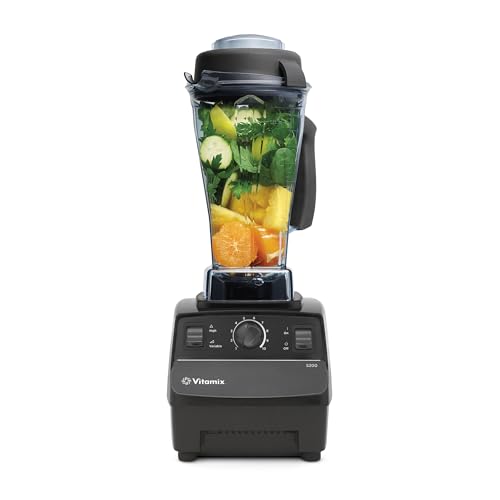
Vitamix 5200 Professional-Grade Blender, 64 oz
Because of how sealed and precisely built the base assembly is, this is exactly the kind of leak we’d stop using immediately and call in about, rather than attempting a home fix.
Click here to buy the Vitamix 5200 Professional-Grade Blender on Amazon.
Why a Full Jar Leaks More Than a Half-Empty One
If you’re wondering why my blender jar leaks when it’s full, overfilling is almost certainly the cause. Every jar has a fill line for a real reason.
Exceeding it increases internal pressure while blending, and that added pressure forces liquid past seals that would otherwise hold up fine under a normal load.
This is especially common with thick, dense mixtures or anything that expands as it’s processed, since the actual volume inside the jar can climb past what it looked like going in.
Ninja UltraCrush Pro Kitchen System, 1500W, 72oz
Its clearly marked fill lines make it easy to catch overfilling before it becomes a mess, something that saves more than one countertop cleanup since switching from a jar with barely visible markings.
Click here to buy the Ninja UltraCrush Pro Kitchen System on Amazon.
Fixing a Worn Seal Yourself
So, can you replace a blender gasket yourself? Yes, and it’s genuinely one of the easier fixes in this whole category.
Most manufacturers sell replacement gaskets individually, either directly or through authorized parts retailers.
Swapping one out typically just means unscrewing the blade assembly, removing the old gasket, seating the new one correctly, and reassembling by hand without overtightening.
The one thing worth avoiding is forcing a mismatched or off-brand gasket into place, since an imperfect fit will leak just as readily as the worn one you’re replacing.
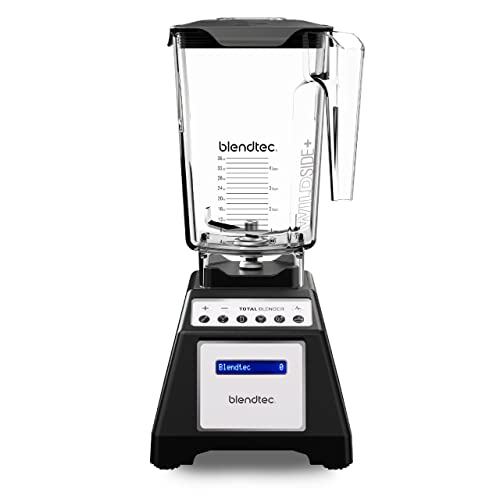
Blendtec Total Blender Classic & 90oz WildSide+ Jar
Its WildSide+ jar uses a straightforward blade assembly that makes a gasket swap genuinely manageable without needing specialty tools, which matters once a seal eventually does wear down after years of regular use.
Click here to buy the Blendtec Total Blender Classic & 90oz WildSide+ Jar on Amazon.
Frequently Asked Questions
Why is my blender leaking?
This is almost always a worn, cracked, or improperly seated gasket between the blade assembly and jar, though overfilling and assembly mistakes are also common causes.
Why is my blender leaking from the bottom?
Usually a degraded gasket, a loosely tightened blade assembly, or a jar that wasn’t fully seated and clicked into its base during reassembly.
Why is liquid getting into my blender base?
This is a more serious issue than a jar leak, since it means liquid has reached electrical components. Stop using the blender and contact the manufacturer rather than attempting a DIY repair.
Why does my blender jar leak when it’s full?
Overfilling increases internal pressure during blending, forcing liquid past seals that hold up fine under a normal load. Stay within the marked fill line, especially with thick mixtures.
Can you replace a blender gasket?
Yes, most manufacturers sell replacement gaskets, and swapping one out is a straightforward DIY fix as long as it’s seated correctly and matched to your exact model.
Conclusion
A leaking blender is usually a small, fixable problem, a worn gasket, an overfilled jar, or a part that wasn’t seated correctly.
The one exception is liquid actually reaching the motor base, which is worth treating seriously and calling in about rather than troubleshooting on your own.