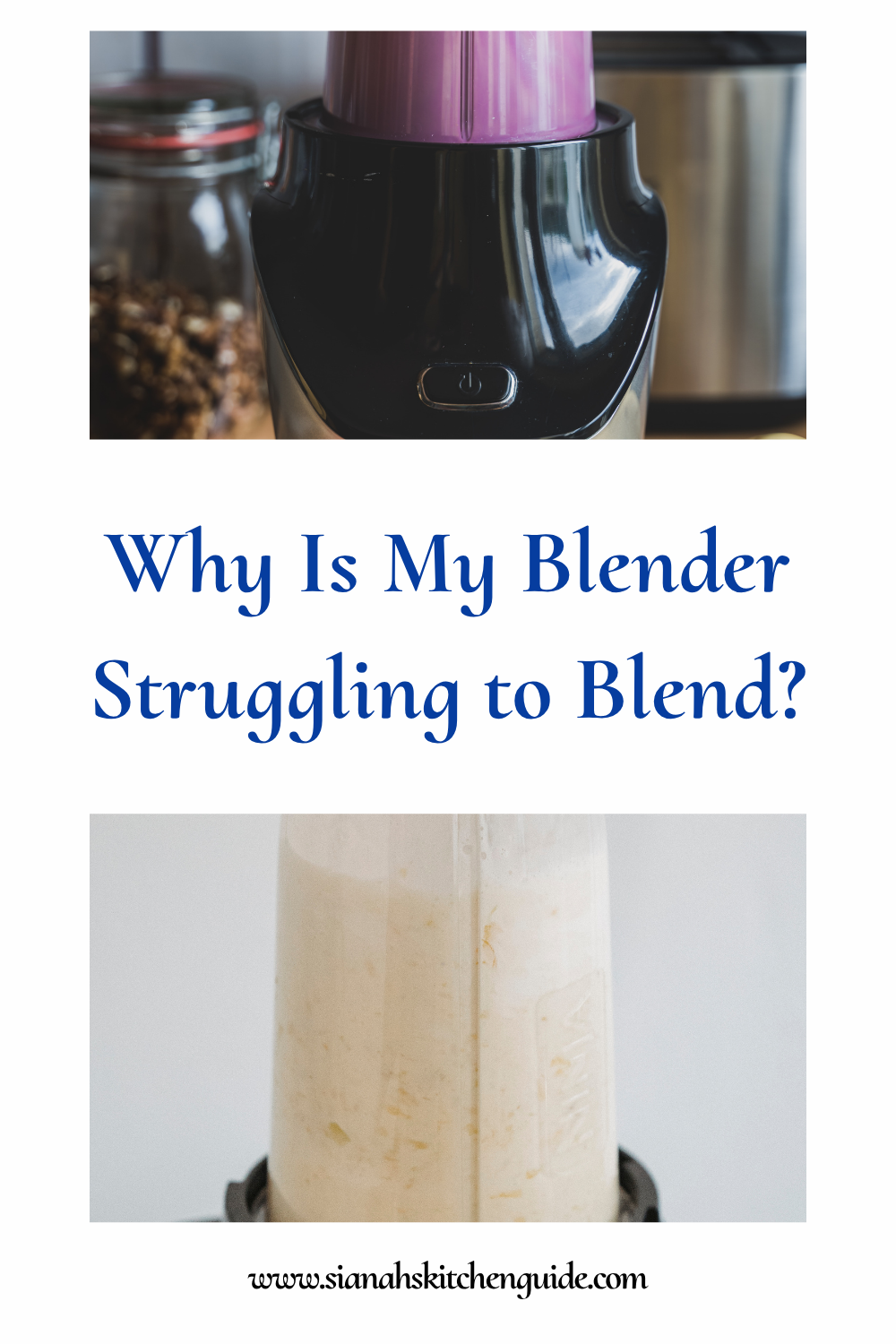
A blender struggling to blend despite the motor clearly running usually isn’t a power problem at all.
It’s almost always physics, specifically something called cavitation, an air pocket that forms around the blades and lets them spin uselessly in empty space while everything else just sits there.
We spent months blaming our old blender for weak, chunky smoothies before realizing the actual problem was how we were loading it.
Frozen fruit went in first, every single time, right on top of the blades. Once we flipped the order, the same “underpowered” blender suddenly worked fine.
If you’re still shopping and haven’t settled on a model yet, What Should I Look for in a Blender? covers the fundamentals that make this whole problem less likely from the start.
Why Does My Blender Leave Chunks?
Table of Contents
ToggleWhy does my blender leave chunks even after a full minute on high speed usually comes down to one of three things: overfilling past the jar’s fill line, starting on too high a speed before the bottom layer has actually loosened, or ingredients that never made proper contact with the blades in the first place.
Consumer Reports recommends layering liquids on the bottom to create the vortex that pulls solids down, with heavier ingredients higher up to push everything toward the blades, and starting at a lower speed before gradually increasing it, rather than jumping straight to full power.
Vitamix Ascent X5 Professional-Grade Blender, 48 oz
Its self-detect technology automatically adjusts blending time and speed once it senses the container, which genuinely takes some of the guesswork out of the layering and speed ramp that trips people up.
We’ve noticed noticeably fewer chunky leftovers since switching to this, even with the same rough loading habits we used to have.
Click here to buy the Vitamix Ascent X5 Professional-Grade Blender on Amazon.
What Causes an Air Pocket in a Blender?
Blender air pocket cavitation is the actual technical term for that stall where the blades spin but nothing moves.
Their recommendation is genuinely specific too, aim for no more than about 30 percent frozen ingredients, roughly the first quarter of the container, since too much frozen content on top traps the liquid below and starves the blades of anything to actually grab onto.
Ninja BN805A Pro Plus Kitchen System, 1400W
Its Auto-iQ programs are built specifically around preventing this kind of stall, cycling through pulse and blend patterns designed to keep ingredients circulating instead of packing down around the blades.
Click here to buy the Ninja BN805A Pro Plus Kitchen System on Amazon.
Why Does My Blender Only Blend at the Bottom?
A blender only blends at the bottom while the top layer sits untouched is the clearest sign of cavitation in progress.
The blades have carved a tunnel straight up through the mixture, and everything above that tunnel is now stuck, out of reach, with no liquid pulling it down.
Stop the blender, remove the lid, and stir or break up that top layer by hand before restarting, ideally at a slightly lower speed this time.
Aeitto Blenders for Kitchen, 68Oz
Its 7-speed control makes it genuinely easy to drop back down and restart at a gentler setting after breaking up a stuck top layer, rather than being locked into one aggressive speed the whole time.
Click here to buy the Aeitto Blenders for Kitchen on Amazon.
The Correct Order to Load a Blender
The correct order to load a blender genuinely matters more than most people expect.
Liquids go in first, so the blades have something to grab immediately.
Soft or powdered ingredients go next, since dumping them straight onto frozen fruit tends to create dry, stubborn clumps.
Leafy greens and fresh fruit come after that, and frozen fruit or ice goes in last, sitting on top rather than crowding the blades from the start.
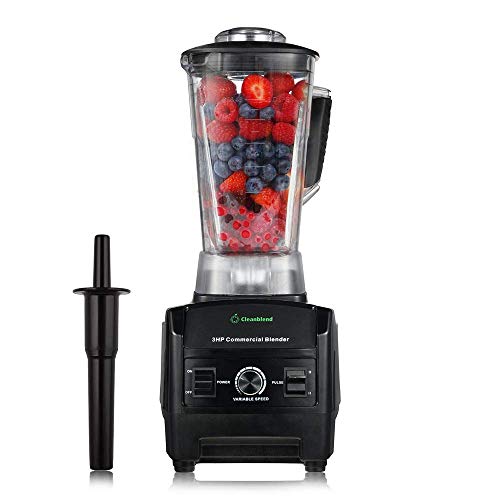
Cleanblend Commercial Blender, 1800W, 3HP, 64oz
Its genuinely powerful motor and 5-year warranty make it forgiving even when loading order isn’t perfect.
The five-year warranty tells you everything you should know that the brand trusts their product so much they put their money on it.
Click here to buy the Cleanblend Commercial Blender on Amazon.
When Is the Problem with Blender?
If you’ve corrected loading order, added liquid, and paused to break up air pockets, and it’s still consistently stalling on basic tasks, that’s a genuine sign the motor itself may be underpowered or wearing out, not a technique issue anymore.
A blender that struggles even with correctly layered, room-temperature ingredients is telling you something real about its capability.
Frequently Asked Questions
Why is my blender struggling to blend?
It is almost always cavitation. An air pocket around the blades caused by incorrect loading order, overfilling, or starting at too high a speed too soon causes this.
Why does my blender leave chunks?
This is usually because of overfilling, wrong loading order, or jumping straight to high speed before the bottom layer has loosened enough to circulate properly.
What is cavitation in a blender?
It’s an air pocket that forms around the blades, letting them spin in empty space instead of actually processing the ingredients above them.
Why does my blender only blend at the bottom?
The blades have carved a tunnel through the mixture, leaving the top layer stuck and out of reach. Stop and stir it by hand before restarting at a lower speed.
What is the correct order to load a blender?
Liquids first, then soft or powdered ingredients, then fresh produce, with frozen fruit or ice going in last on top.
Conclusion
Most blending struggles come down to loading order and cavitation, not a weak motor.
Liquids first, frozen ingredients last, and a lower starting speed solve the vast majority of chunky, stalled blends before you ever need to blame the machine itself.