Food Processor vs. Blender: What’s the Difference?

4.3K

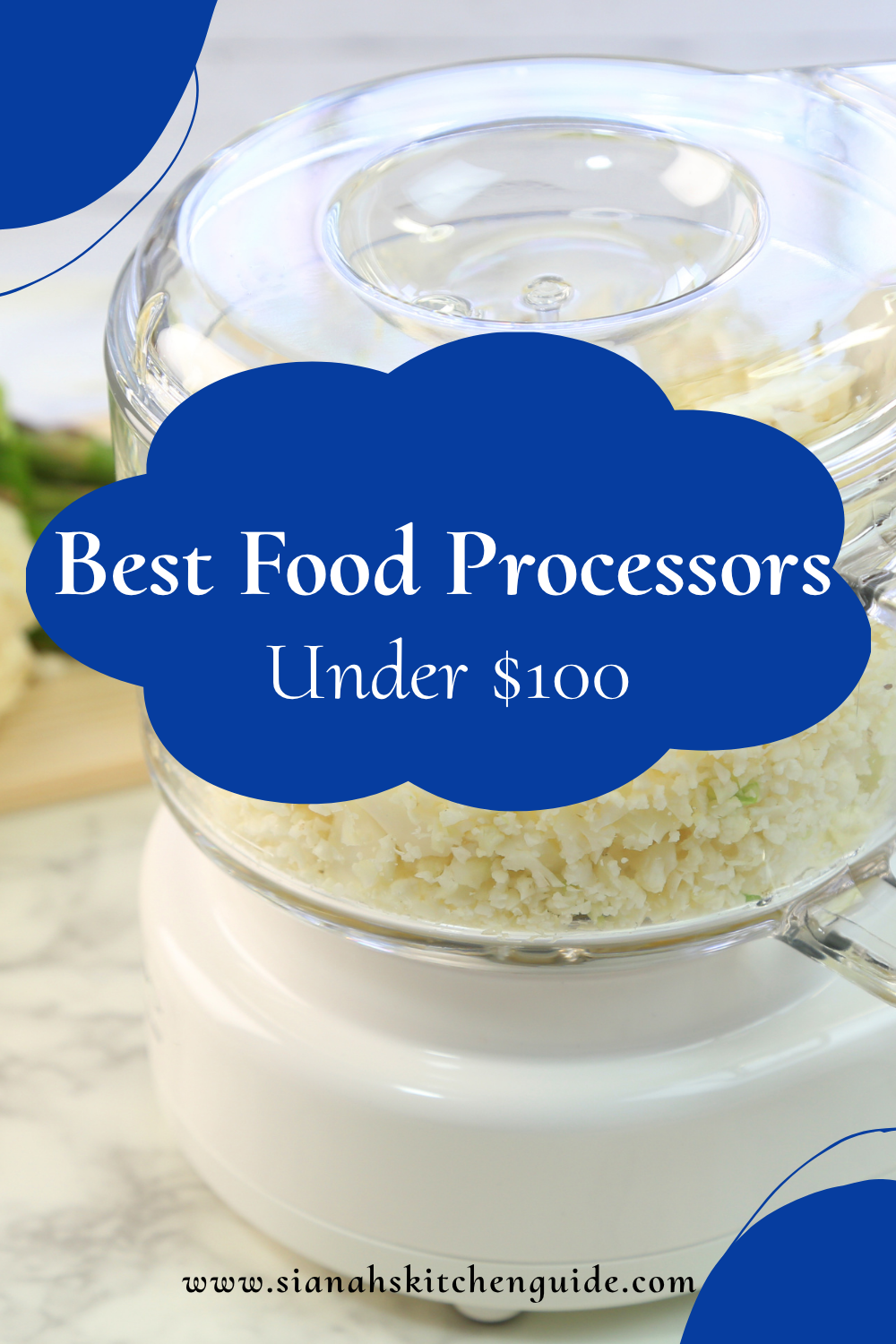
Have you been wondering, food processor vs. blender what really is the difference?

Some people think they are the same drawer of blades. But that’s not quite right.

We get asked this constantly. Both have a motor. Both have blades. They all look vaguely similar sitting on a counter.

But they’re built for genuinely different jobs, and using the wrong one can leave you with soup that’s more chunky salad than smooth puree.

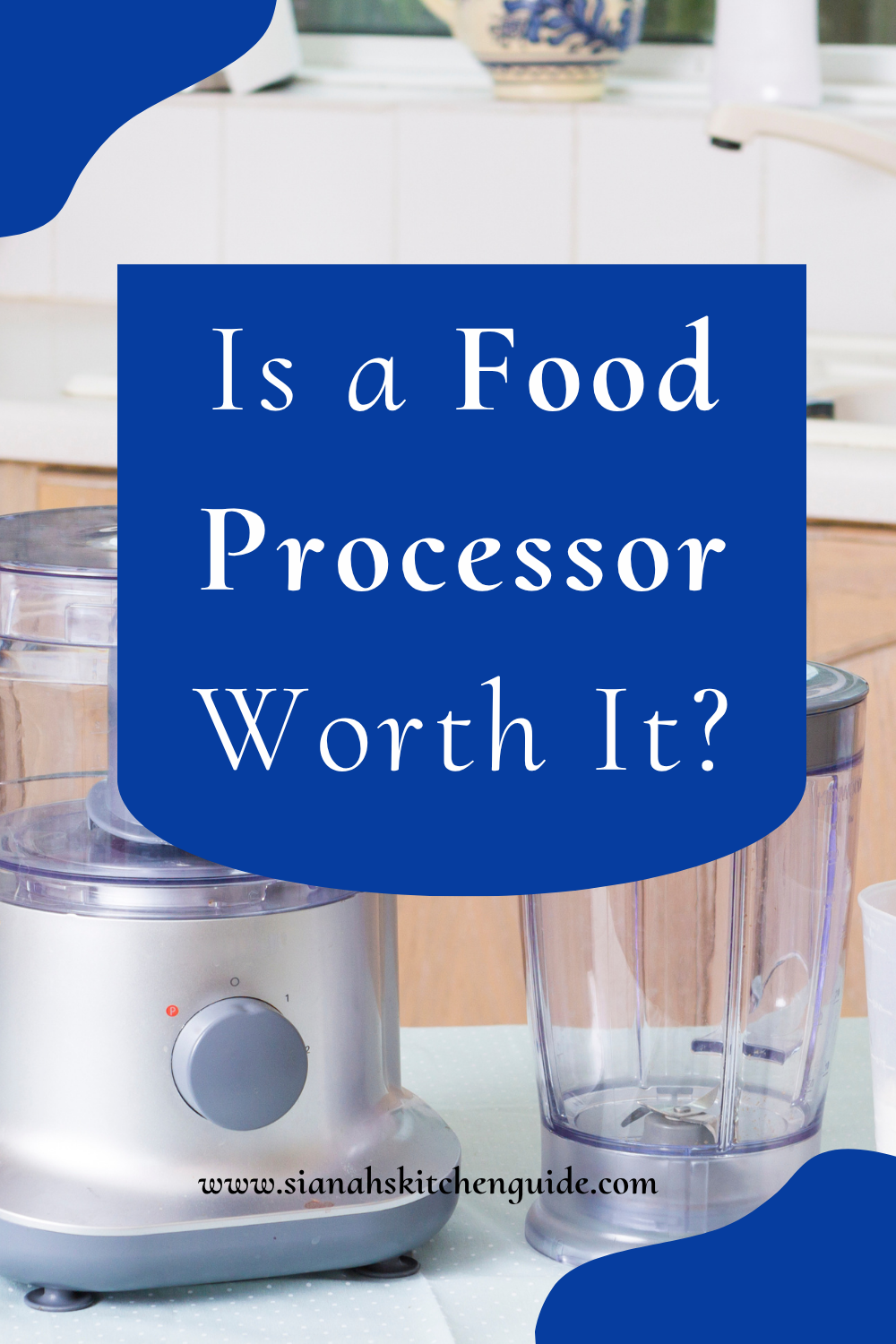
If you’re still deciding whether you need a food processor at all, Is a Food Processor Worth It? covers that first.

And if you already own one and want to know what it can actually do, What Is a Food Processor Actually Used For? goes deeper.

The Real Difference

Table of Contents

KitchenAid’s comparison explains it clearly. Blenders are best for liquid recipes and silky smooth results.

Their tall, narrow jar creates a vortex that pulls ingredients down toward the blades. 

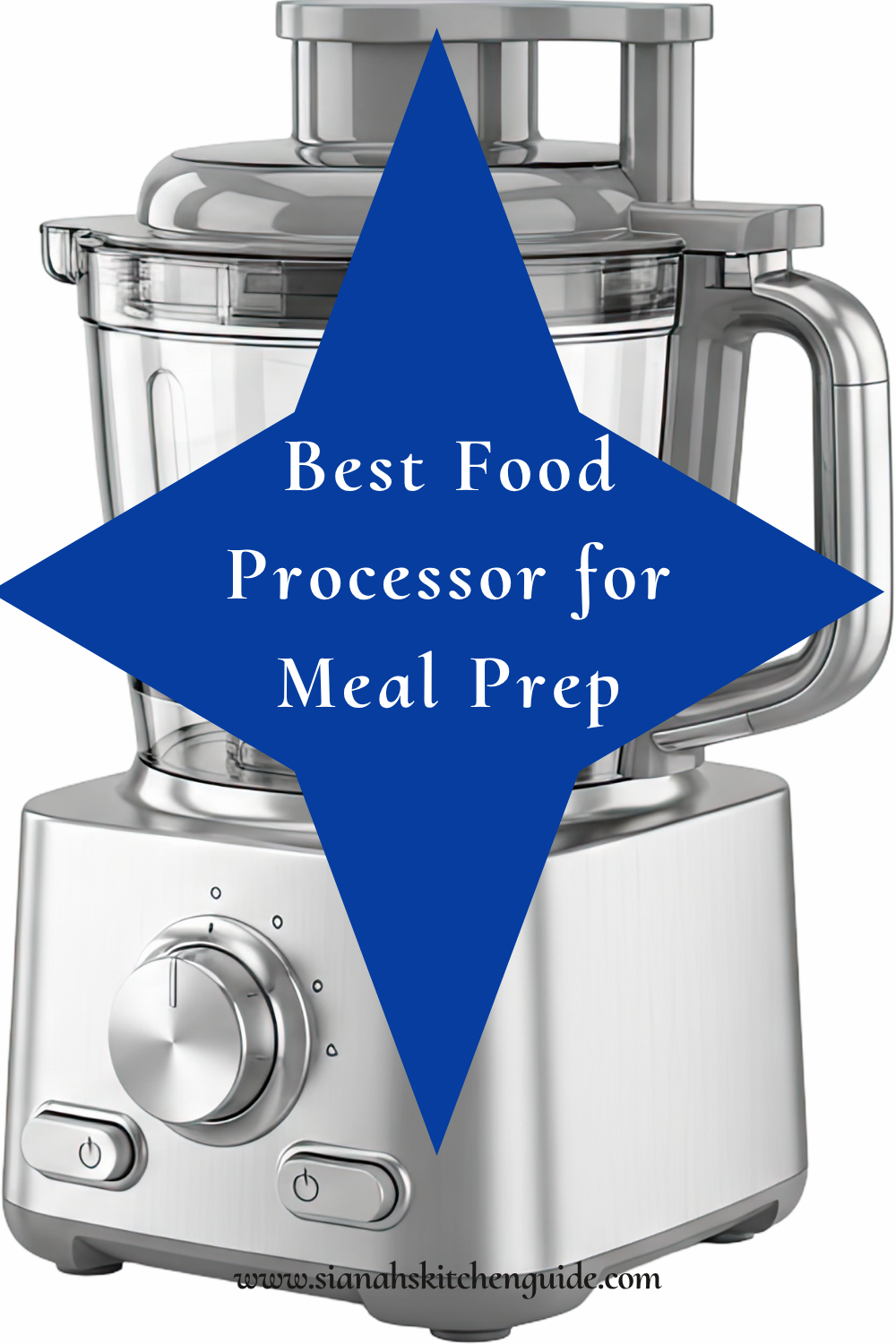
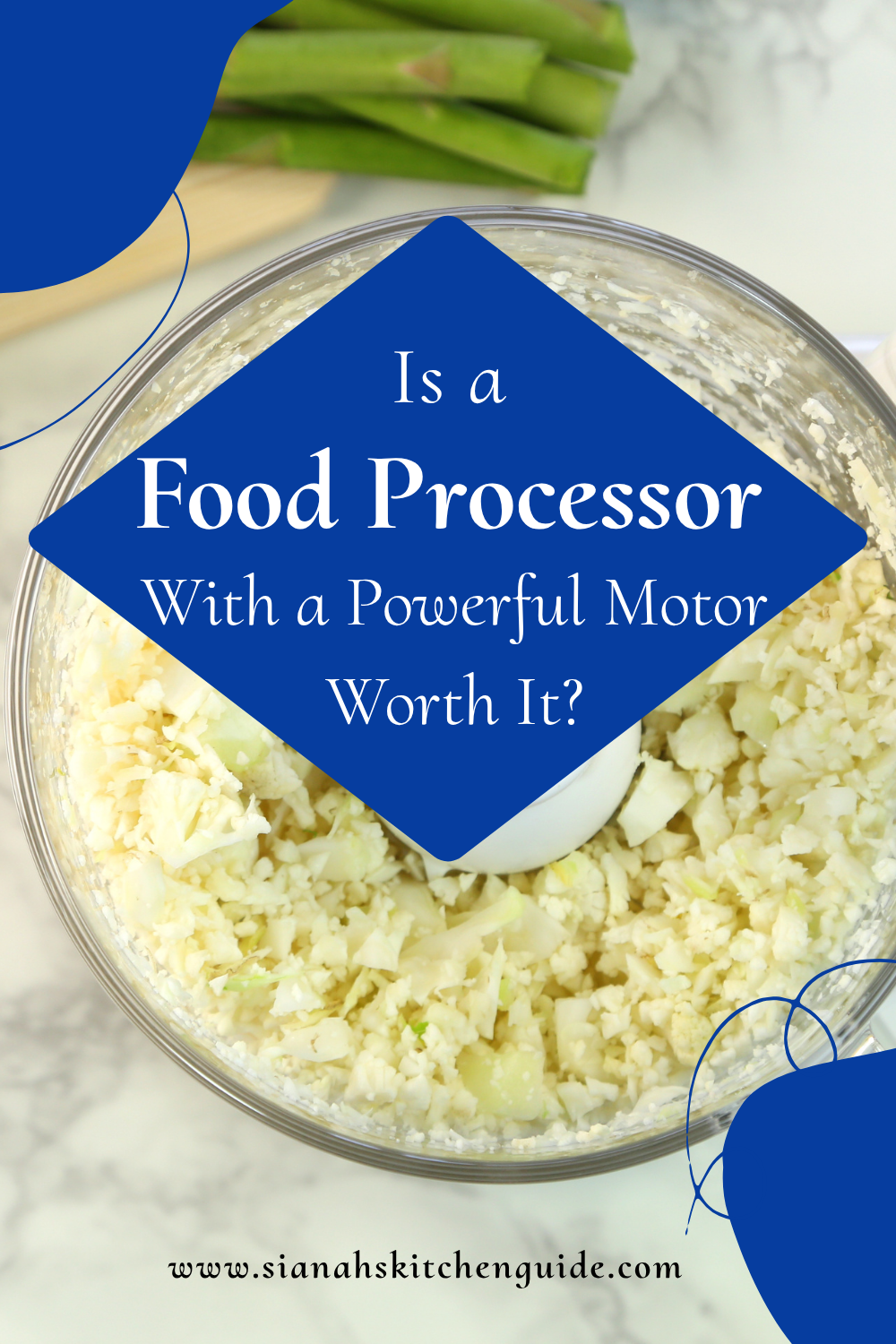
Food processors have wider, shallower bowls and multiple blades, built for chopping, slicing, and shredding solid ingredients.

Blenders usually have one fixed blade. Food processors usually have several, plus swappable discs.

Ninja Professional Blender 2.0, 72oz

If smooth, liquid-based results are what you’re after, the Ninja Professional Blender’s Total Crushing blades and Auto-iQ program handle smoothies and frozen drinks well.

Its large 72oz pitcher covers a family-size batch in one go.

Click here to buy the Ninja Professional Blender 2.0 on Amazon.

We earn a commission if you make a purchase, at no additional cost to you.
09/13/2026 10:03 pm GMT

Can a Blender Replace a Food Processor?

Not really, no. A blender struggles with dry or chunky jobs, chopping vegetables evenly, kneading dough, and shredding cheese.

Its tall jar and single blade just aren’t built for that kind of work.

Can a Food Processor Replace a Blender?

Partially. A food processor can puree, but the result comes out coarser than a blender’s silky finish, since the food travels around a wider bowl and hits the blades less often.

For chunky salsa or pesto, that’s genuinely fine. For a smooth smoothie, it’s not.

Cuisinart 5-Cup Chop & Shred Food Processor

For chunky results, salsa, pesto, coarsely pureed dips, the Cuisinart FP-5 handles it well without needing liquid to get things moving.

Just don’t expect smoothie-smooth results out of it.

Click here to buy the Cuisinart 5-Cup Chop & Shred Food Processor on Amazon.

We earn a commission if you make a purchase, at no additional cost to you.
09/14/2026 07:37 am GMT

Food Processor vs. Immersion Blender: Which Should You Buy?

These are different tools entirely. An immersion blender works right in the pot, ideal for pureeing hot soup without transferring it anywhere.

A food processor needs the food moved into its bowl first, and hot liquids can actually be a real hazard inside one.

If soup is your main use case, an immersion blender wins on convenience and safety every time.

KitchenAid Variable Speed Corded Hand Blender

For pureeing soup straight in the pot, the KitchenAid KHBV53 handles that job without the mess or risk of transferring hot liquid into a processor bowl.

Its removable 8 inch blending arm also makes cleanup considerably simpler.

Click here to buy the KitchenAid Variable Speed Corded Hand Blender on Amazon.

We earn a commission if you make a purchase, at no additional cost to you.
09/14/2026 07:38 am GMT

Food Processor vs. Stand Mixer: Do You Need Both?

Some overlap here, but not much. A stand mixer excels at whipping, creaming, and large dough batches over time. 

A food processor kneads dough fast, sometimes in under a minute, but handles smaller batches and can’t whip egg whites or cream the way a mixer can.

If you bake often, both genuinely earn their keep for different reasons.

Do You Need Both a Food Processor and a Blender?

For most people who cook regularly, yes. They’re not redundant. A blender covers smoothies, soups, and sauces. A food processor covers chopping, shredding, and dough. 

If you had to pick just one, base it on what you make most, smooth liquid recipes favor a blender, chunky prep and baking favor a food processor.

Join Our Email List

Subscribe to get our latest content by email.

    We won't send you spam. Unsubscribe at any time.

    Frequently Asked Questions

    What is the difference between a food processor and a blender?

    Blenders are built for liquid, smooth results using a tall jar and vortex motion. Food processors are built for solid ingredients, chopping, slicing, and shredding, in a wider, shallower bowl.

    Can a blender replace a food processor?

    Not well. Blenders struggle with dry, chunky, or solid tasks like chopping vegetables or kneading dough.

    Can a food processor replace a blender?

    Partially. It can puree, but the result is coarser than a blender’s smooth finish.

    Should I use a food processor or immersion blender for soup?

    Use an immersion blender, since it works right in the pot and avoids the hazard of transferring hot liquid.

    Do I need both a food processor and a blender?

    Most cooks benefit from both, since they handle genuinely different jobs. Pick them based on what you cook most if you can only choose one.

    Conclusion 

    Food processor vs. blender isn’t really a competition. They’re built for different jobs. There’s chopping and shredding versus smooth and liquid.

    Know which one your recipe actually needs, and you’ll stop reaching for the wrong appliance.
    Read More Food Processor Posts Here!

    Leave a Reply

    Your email address will not be published. Required fields are marked *

    Like
    Close
    Sianah’s Kitchen Guide © Copyright 2026. All rights reserved.
    Close