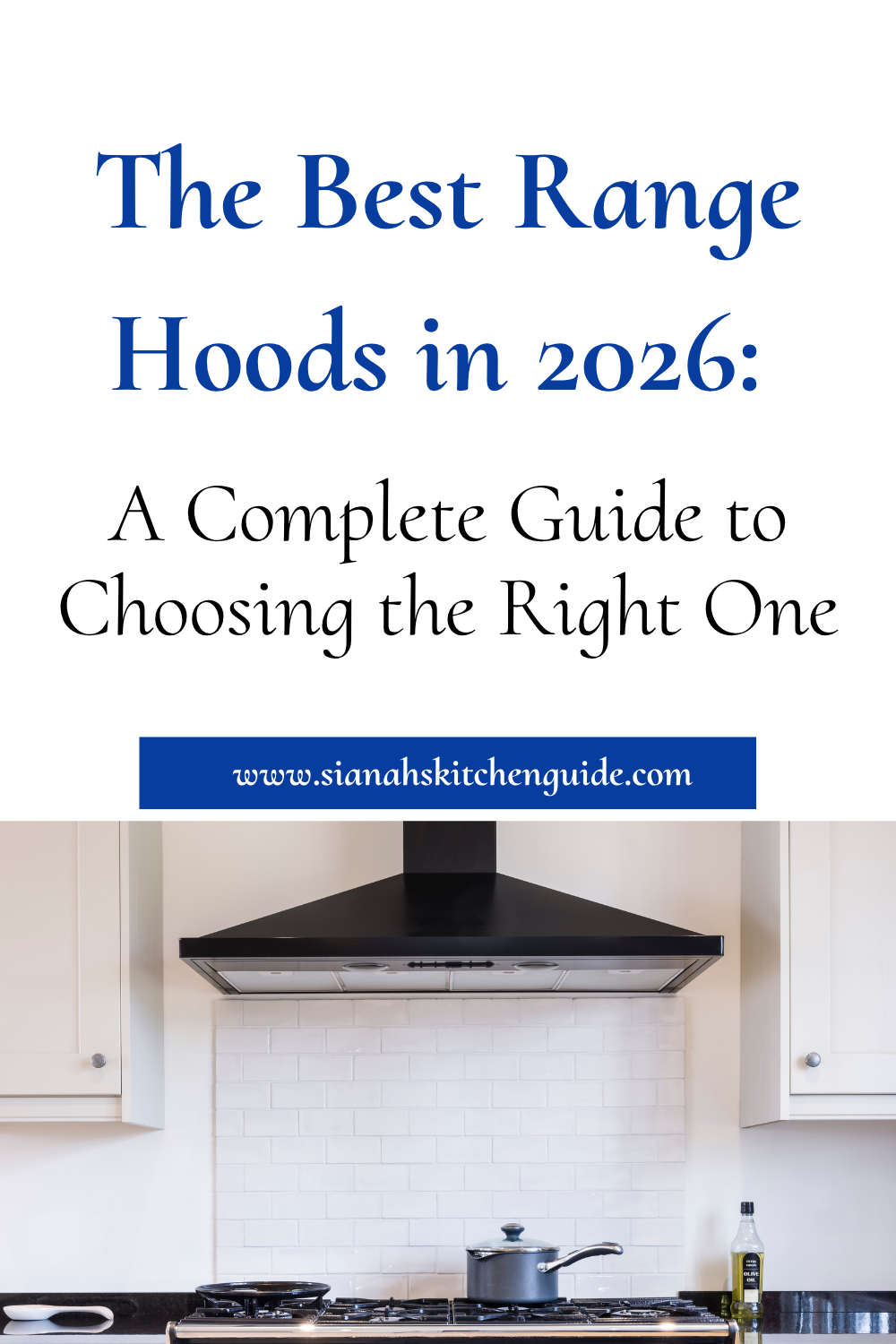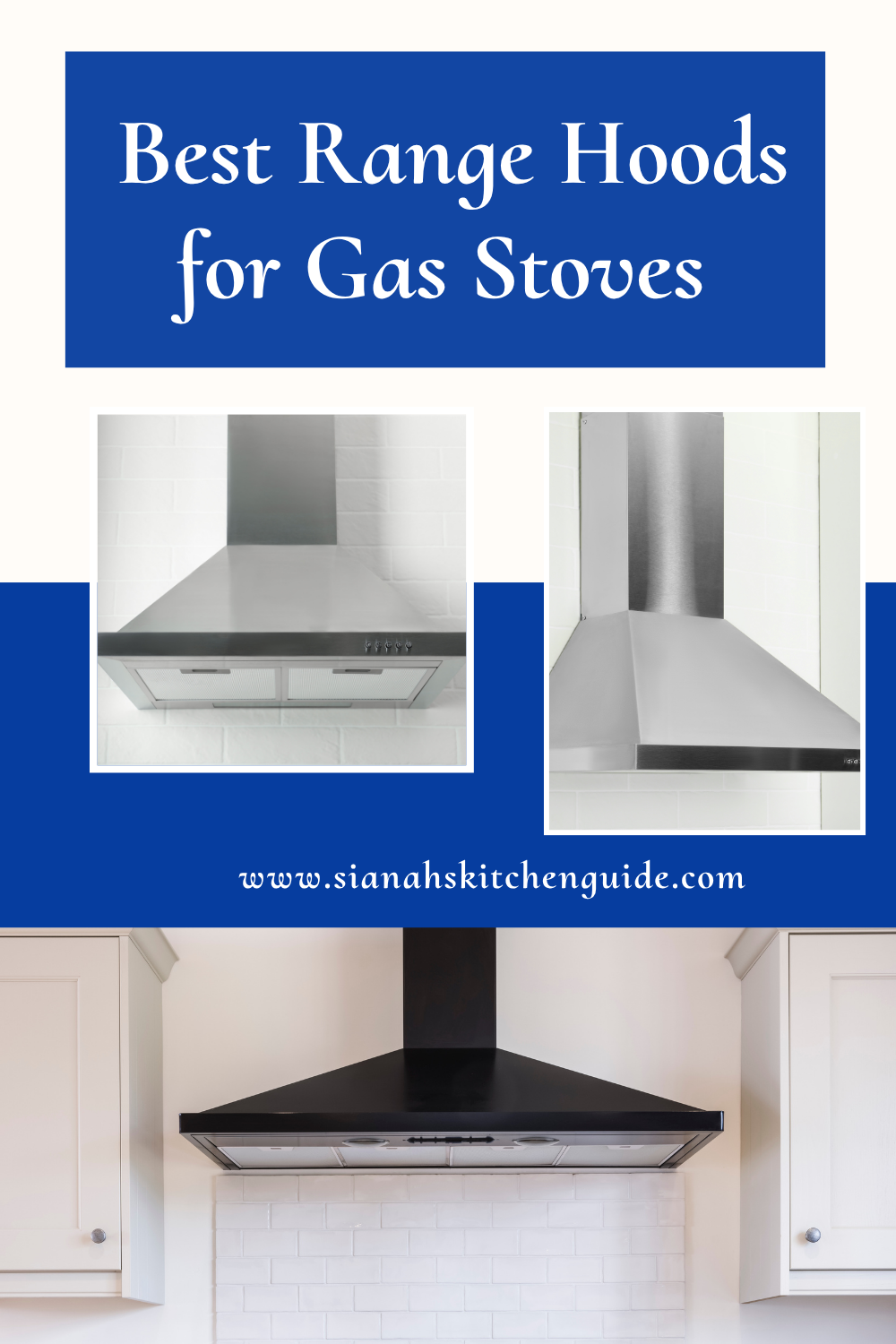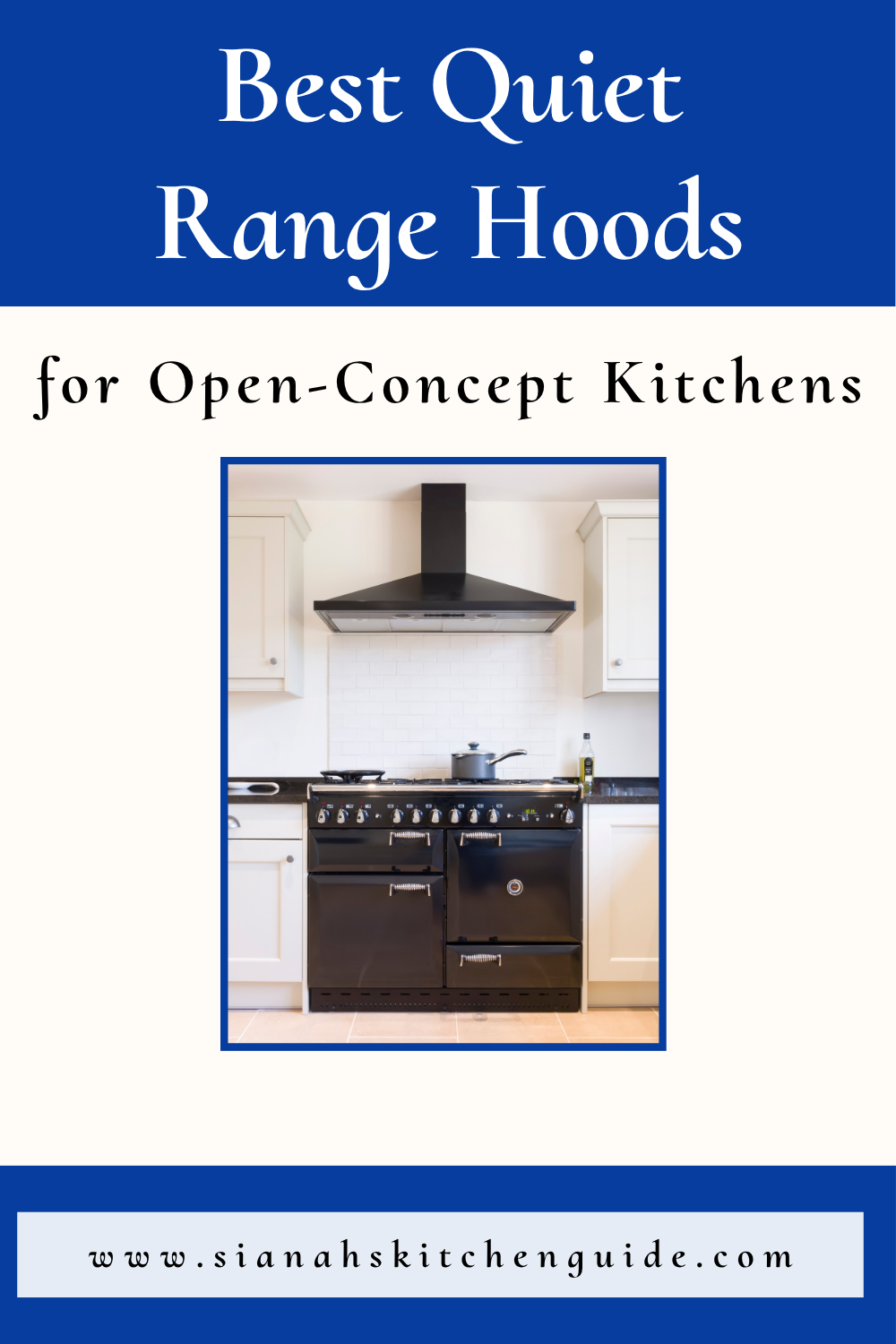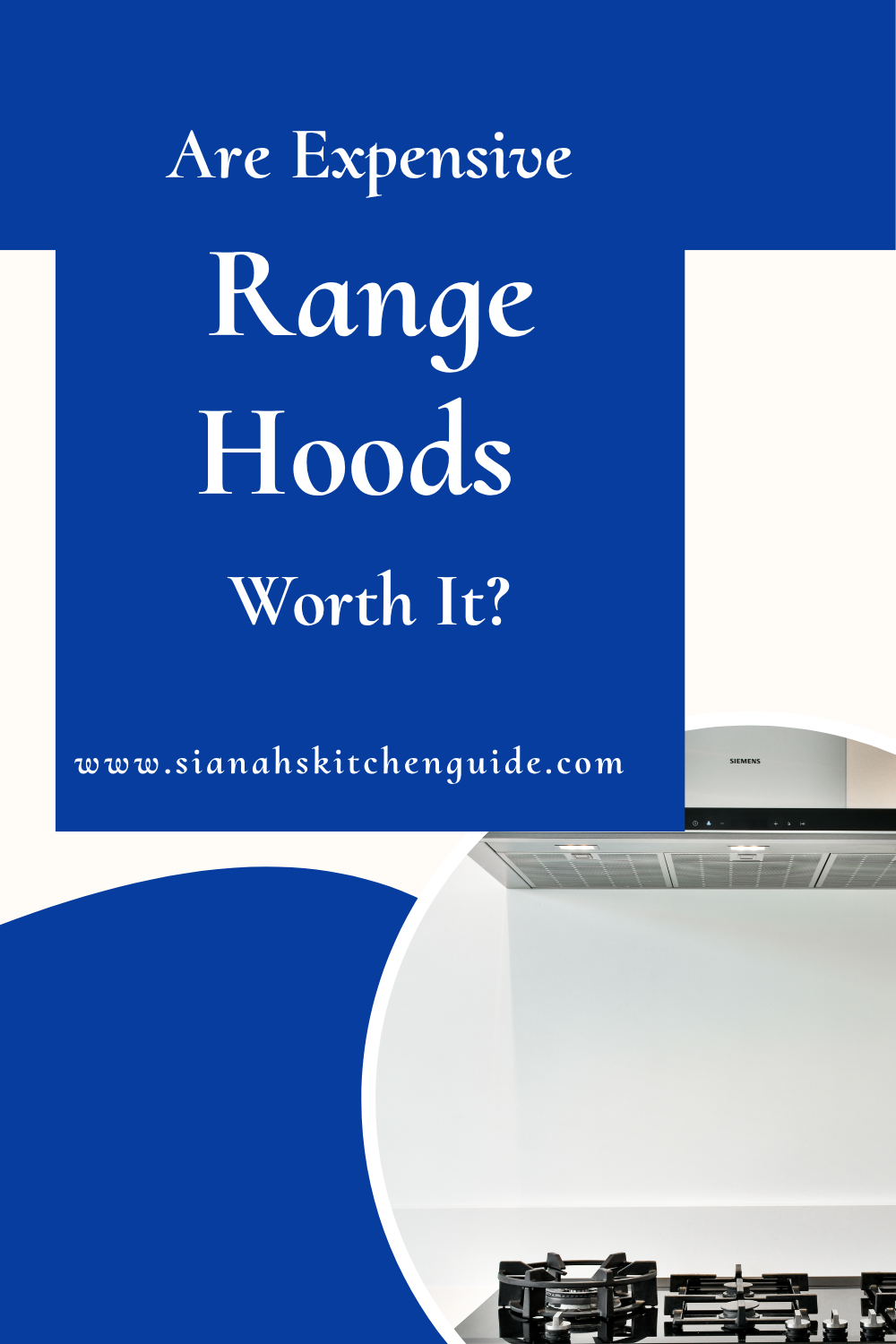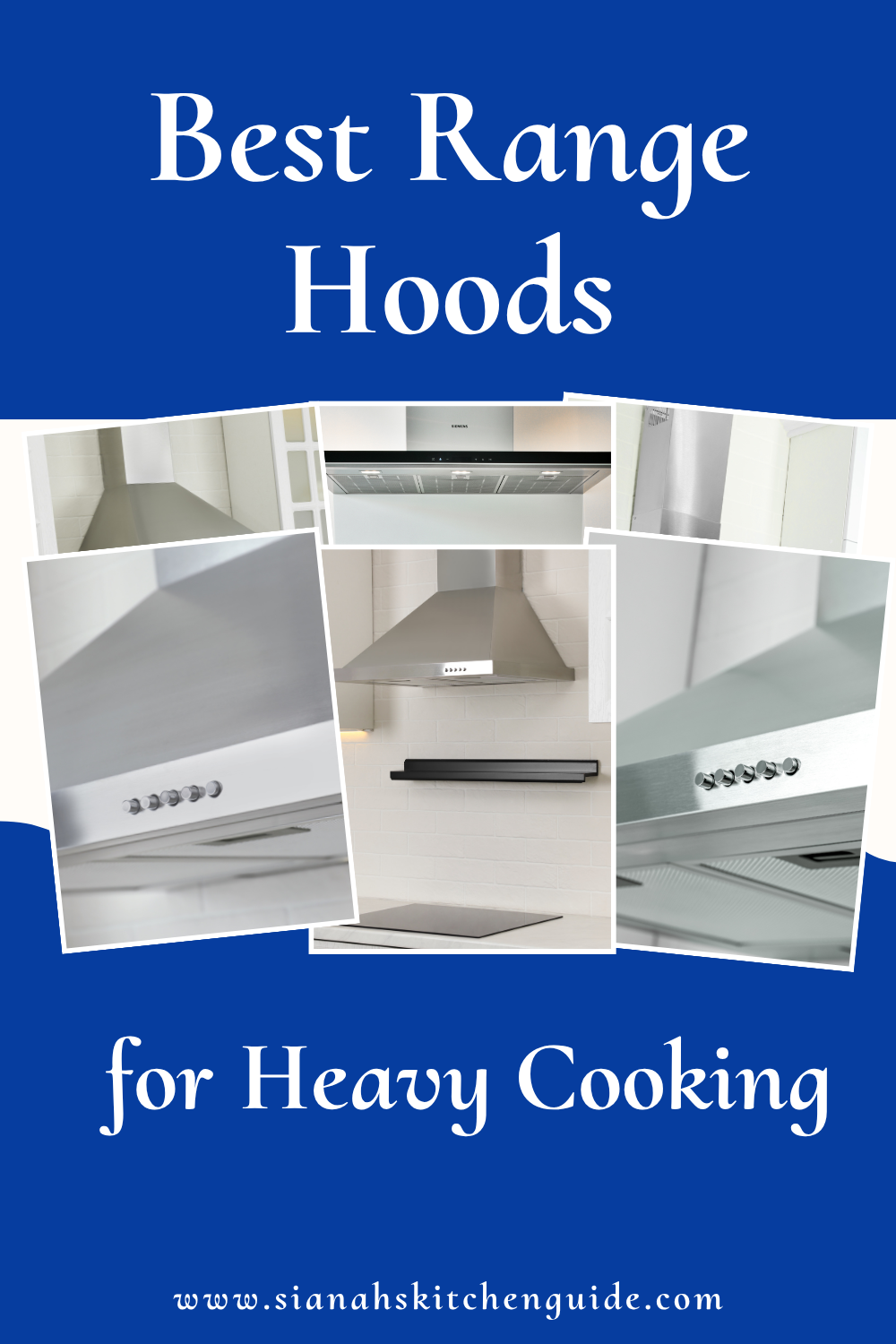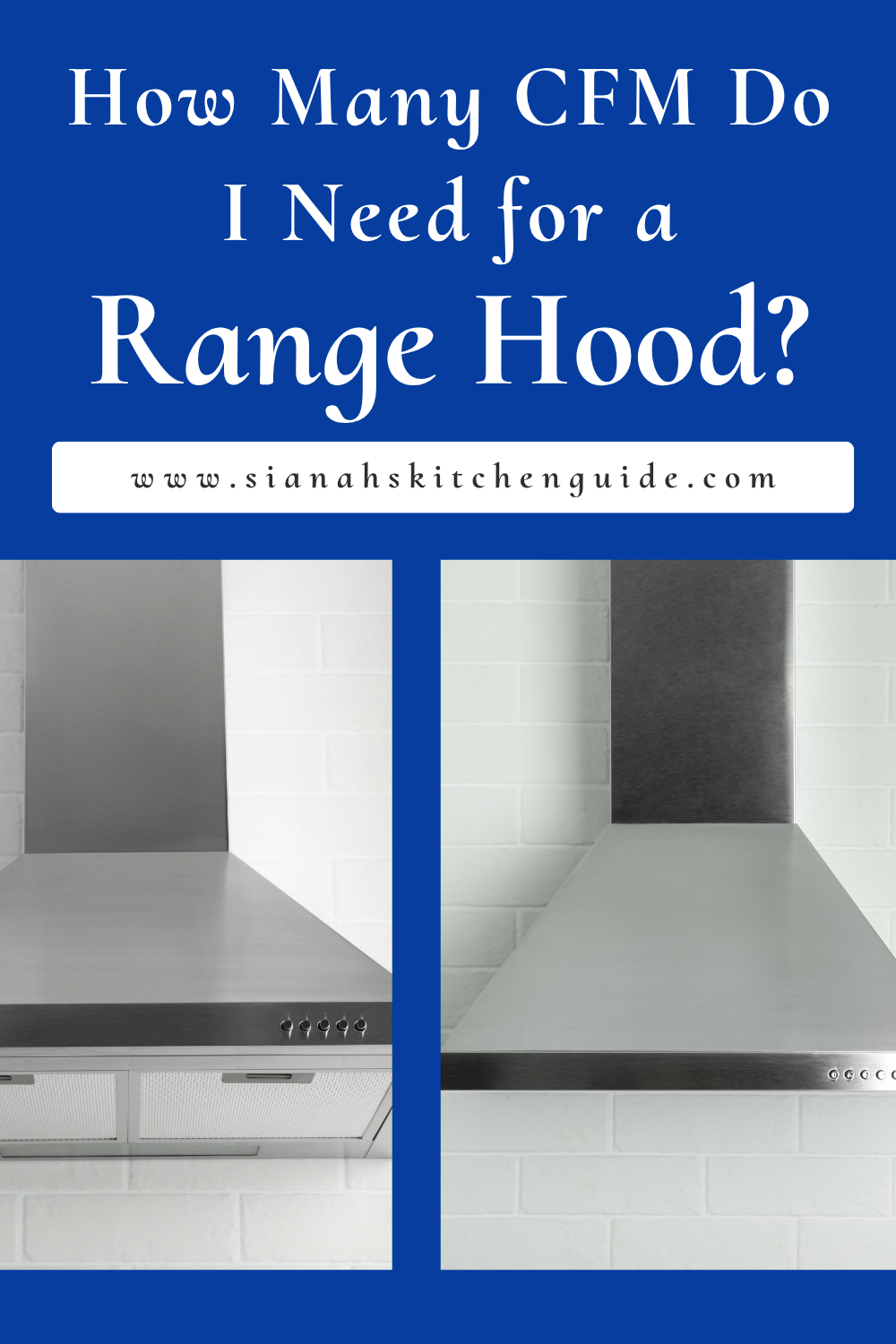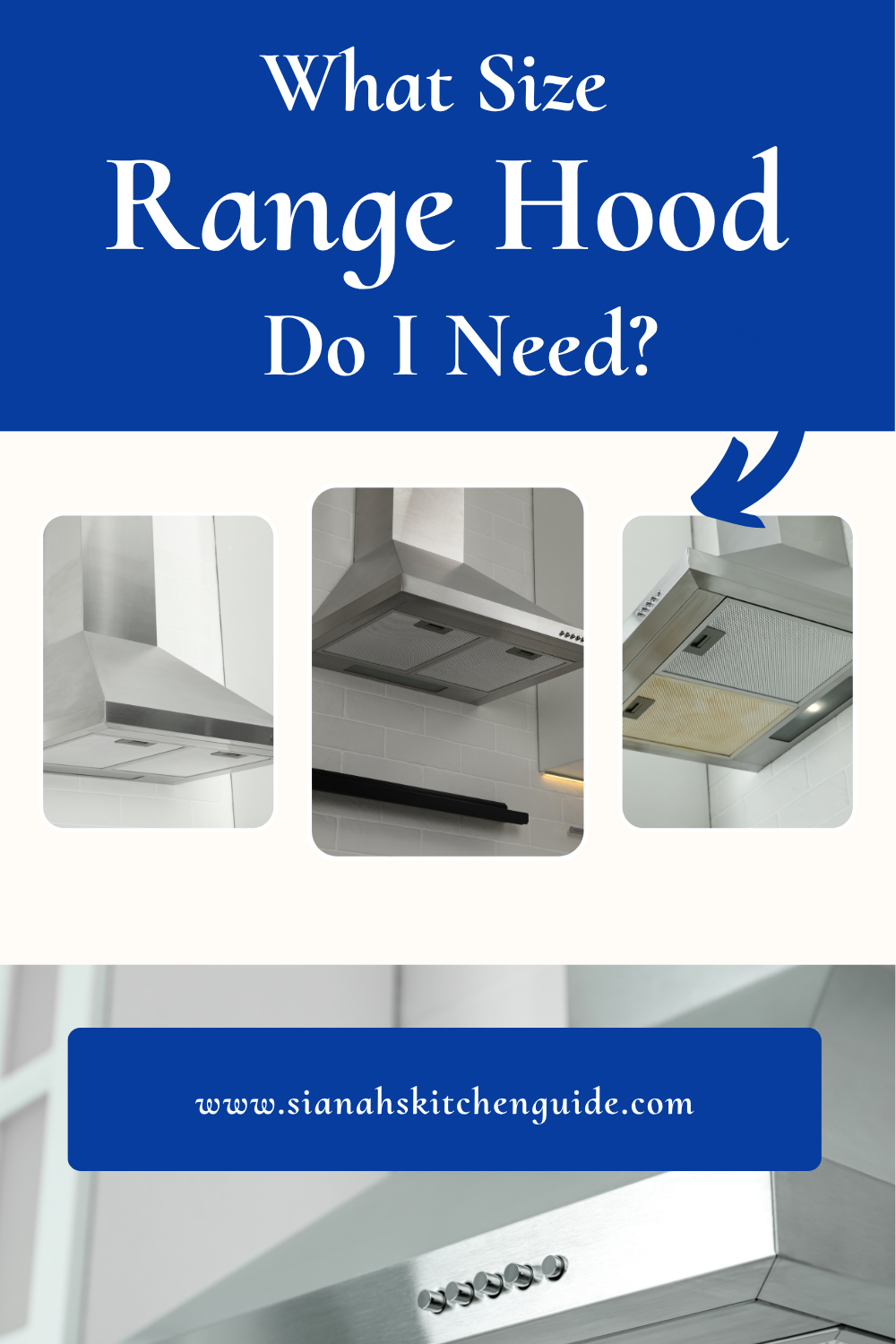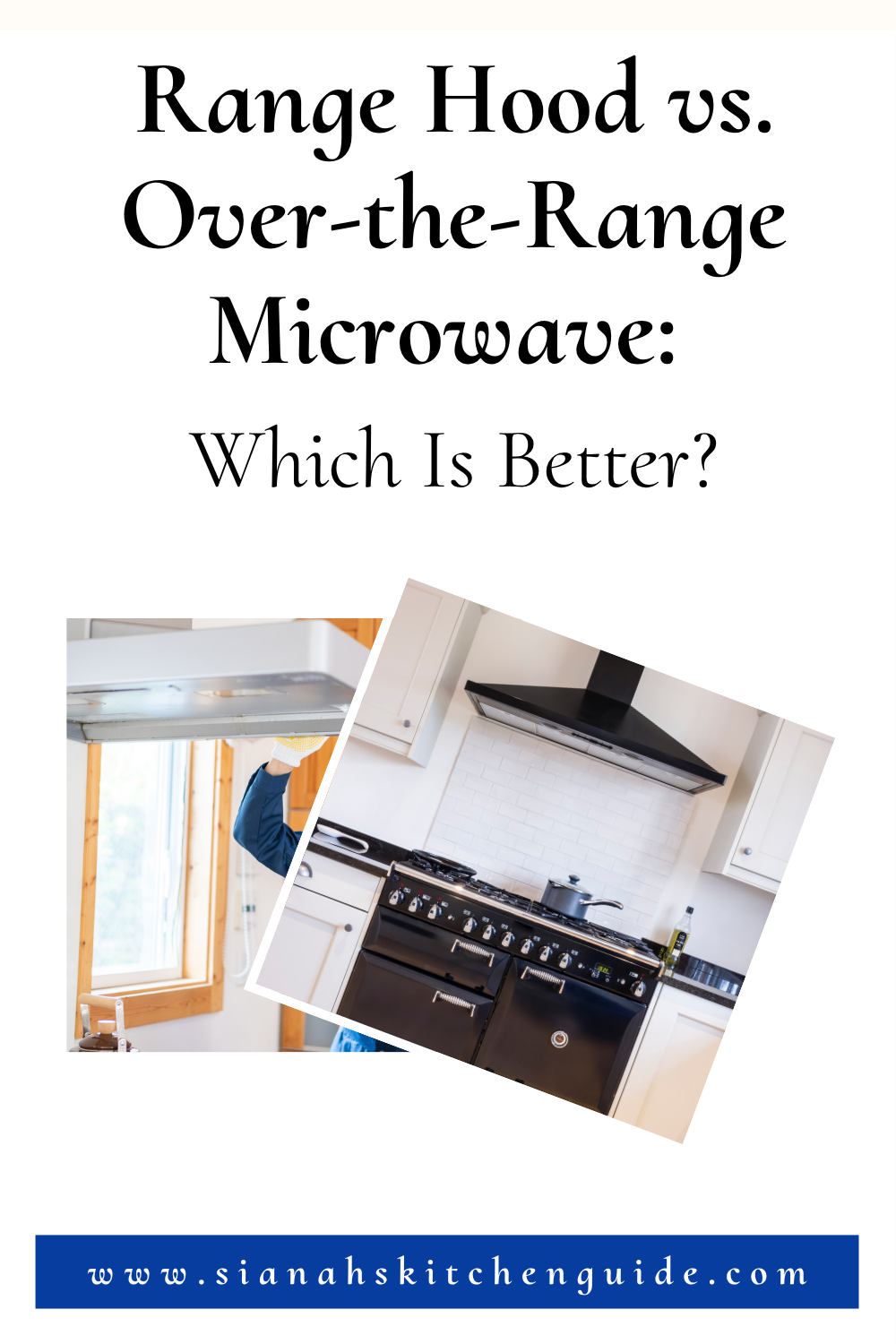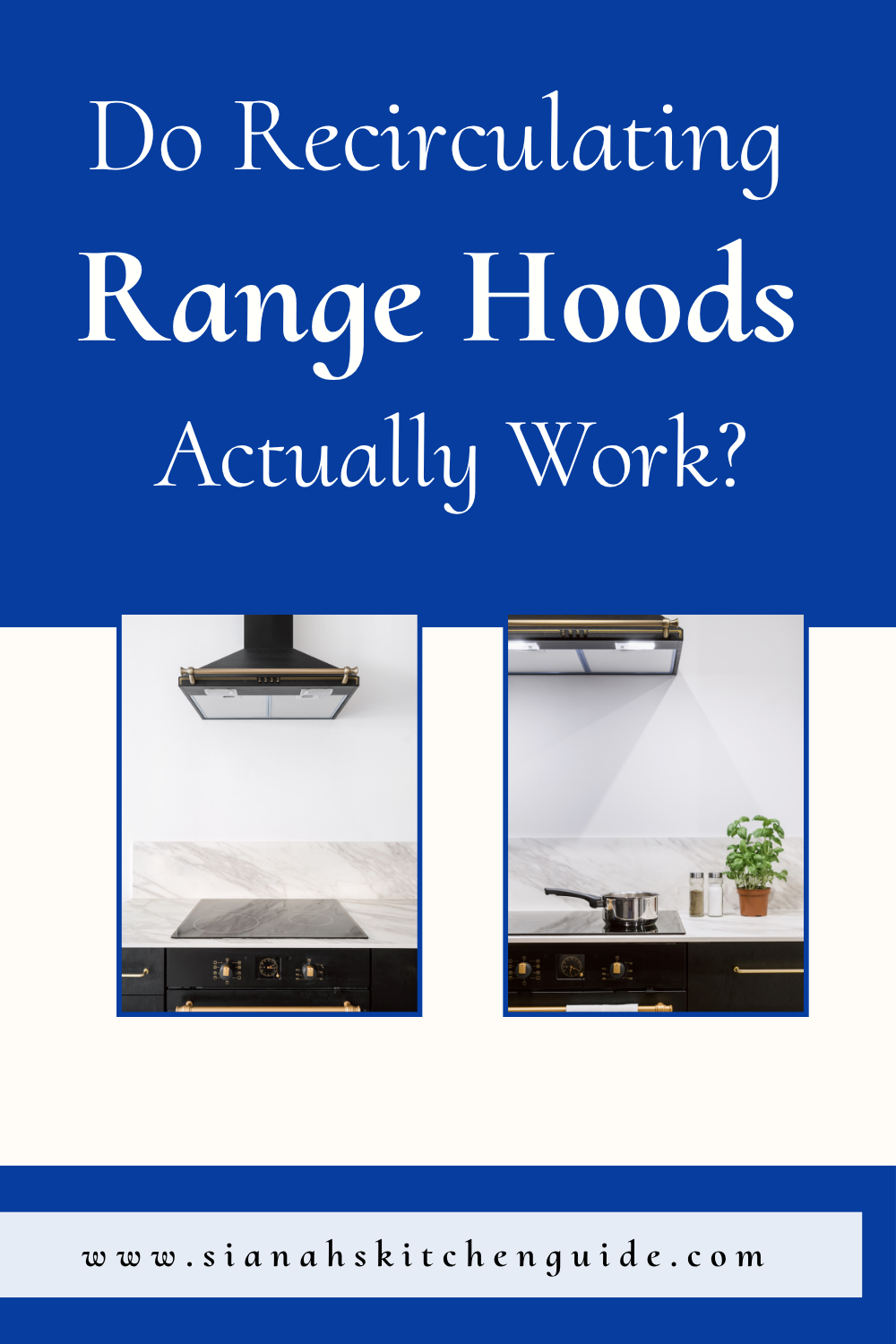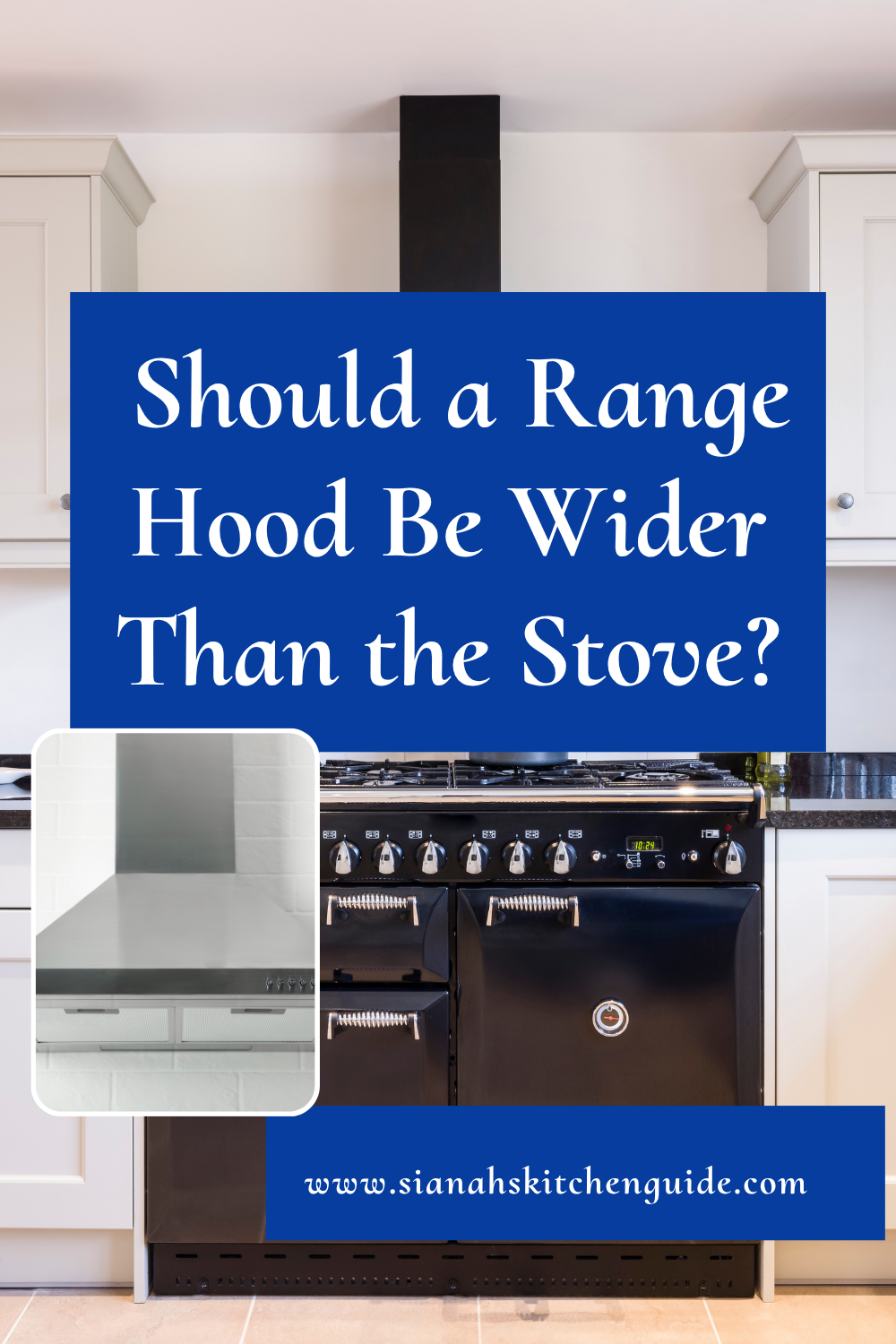
If you’re wondering should a range hood be wider than the stove, you’re probably standing in the middle of a kitchen project wondering why a perfectly good 30-inch stove suddenly needs a 36-inch hood hanging over it.
And honestly?
At first, it sounds unnecessary.
The stove is 30 inches.
The hood is 30 inches.
They match.
Everybody goes home happy.
Except there’s a small problem.
Your cooking isn’t happening neatly inside a 30-inch rectangle.
Steam rises.
Smoke spreads.
Grease travels.
And sometimes your frying pan seems determined to create a smoke cloud three feet away from where the actual cooking is happening.
That’s why a wider hood can make sense.
Not because bigger is automatically better.
Because more capture area can give your ventilation system more room to catch what your stove is producing.
So, Should a Range Hood Be Wider Than the Stove?
Table of Contents
ToggleIdeally, your range hood should be at least as wide as your cooking surface.
Going wider can give you additional capture area when your kitchen has enough space for it.
That’s not just a designer preference.
Fisher & Paykel’s installation guidance recommends that the hood be no narrower than the cooktop and specifically says a wider hood can be used to increase the capture area when space isn’t restricted.
Thermador gives essentially the same advice in its kitchen planning guidance: the hood should be at least as wide as the cooking surface, while a wider hood can increase the capture area when space allows.
So the short answer is:
Matching the stove is fine. Going wider can be better. Going narrower is the position you don’t want to be.
And that little distinction matters.
Why Would a Wider Hood Be Better?
Let’s say you have a 30-inch stove.
You put a 30-inch hood directly above it.
Everything lines up perfectly.
But now you put a large frying pan on the front-right burner.
You add oil.
The oil gets hot.
You throw in onions.
The onions sizzle.
Then you add chicken.
Suddenly, there is steam, heat, and cooking vapor rising from an area that isn’t necessarily directly beneath the center of your hood.
That’s normal.
Cooking doesn’t happen like a science experiment where every molecule politely travels straight upward.
The rising air can spread as it moves.
A wider hood gives that cooking plume more space to enter the capture area.
Think of it like trying to catch falling popcorn.
A small bowl will catch some.
A bigger bowl gives you more room for the pieces that don’t fall perfectly straight.
That’s essentially the advantage we’re talking about.
What Does Range Hood Width Actually Mean?
This sounds obvious until you start shopping.
When we talk about range hood width, we’re talking about the horizontal width of the hood from one side to the other.
So a:
- 30-inch hood is approximately 30 inches wide
- 36-inch hood is approximately 36 inches wide
- 42-inch hood is approximately 42 inches wide
- 48-inch hood is approximately 48 inches wide
The number isn’t telling you how powerful the hood is. It is telling you how much physical space the hood covers.
That’s important because width and CFM are two different things.
A 36-inch hood isn’t automatically more powerful than a 30-inch hood.
It simply has more physical coverage.
What Is the Best Range Hood Size for a 30-Inch Stove?
If you have a 30-inch stove, a 30-inch hood is the obvious starting point.
It matches the cooking surface.
But if you have the room, a 36-inch hood can give you extra coverage.
The hood should be at least as wide as the stovetop. Also, choosing one around six inches wider can provide additional coverage.
So you could think about it like this:
30-inch stove + 30-inch hood = matching coverage
30-inch stove + 36-inch hood = extra coverage
Neither automatically makes the other wrong.
The second simply gives the cooking area a little more breathing room.
What About a 36-Inch Stove?
If you have a 36-inch range, a 36-inch hood is the minimum size I would be looking at.
And if your kitchen design allows it, a 42-inch hood gives you that extra coverage around the sides.
That’s a particularly attractive option if you do a lot of high-heat cooking.
Imagine six burners going.
You’re sautéing vegetables on one side.
Something is simmering in the middle.
You’re searing meat on another burner.
And somehow you have decided this is also the perfect moment to make pancakes.
That’s when the extra capture area starts sounding less like a luxury and more like a very good idea.
What About a 48-Inch Range?
A 48-inch range is a different beast.
If you’re spending money on a large professional-style range, putting a tiny hood over it defeats the point.
Your range hood size for the stove should provide enough coverage for the cooking surface.
A 48-inch cooking surface generally calls for a hood designed to cover that size, with the blower, ductwork and hood design also matched to the cooking setup.
At this size, don’t shop by width alone.
The hood needs to be treated as a complete ventilation system.
Because once you’ve got a 48-inch range throwing serious heat into the kitchen, we’re way past the “I occasionally boil pasta” stage.
How Wide Should a Range Hood Be?
So, how wide should a range hood be?
Here’s the simple way to think about it:
At minimum: Match the width of your cooking surface.
If you have room: Consider going wider for additional capture area.
If you cook heavily: Extra coverage can become even more useful.
If the hood is narrower than the stove: That’s when you need to stop and reconsider.
Your hood should be no narrower than the cooktop. Getting a wider range hood can increase the capture area when the space permits.
There isn’t a universal rule saying every kitchen must have a hood six inches wider.
It’s a useful guideline.
Not a kitchen commandment carved into stone.
Does Six Inches Wider Really Matter?
This is where people sometimes get too dramatic about the rule.
You’ll often hear:
“Your hood MUST be six inches wider.”
That’s too absolute.
The six-inch approach means roughly three inches of additional hood coverage on each side.
It can be useful.
But it’s not the only thing determining how well your hood performs.
The hood’s design matters.
The mounting height matters.
The depth matters.
The blower matters.
The ductwork matters.
Your cooking style matters.
The kitchen layout matters.
So don’t turn six inches into the most important measurement in your entire kitchen.
It’s one piece of the puzzle.
What If I Don’t Have Room for a Wider Hood?
This is where I don’t want you thinking you need to rip out perfectly good cabinets just because the internet told you six extra inches would be nice.
If you have a 30-inch cooking surface and only have space for a 30-inch hood, use the 30-inch hood.
That’s still better than choosing a hood that’s too small simply because it looks cute.
The goal is to get at least as much coverage as your cooking surface while working within the actual space you have.
If you’re renovating from scratch, though, you have more freedom.
That’s when I would seriously consider whether the extra width makes sense.
What Happens If the Hood Is Narrower Than the Stove?
Now we have a situation I would pay more attention to.
Imagine a 36-inch stove with a 30-inch hood.
There are three inches of cooking surface extending beyond the hood on each side.
That doesn’t mean the hood will suddenly stop working.
But it does mean some cooking vapor can rise outside the hood’s physical capture area.
And the farther the cooking activity gets from the center of the hood, the less comfortable I would be relying on it to capture everything.
This becomes clear with:
- Front burners
- High-heat cooking
- Frying
- Grilling
- Wok cooking
- Large pans
- Multiple burners running at once
A smaller hood may be perfectly adequate for someone who mostly simmers soup.
It becomes a different story when you’re regularly searing steak while deep-frying something and wondering why the kitchen smells like a restaurant.
Does a Wider Hood Capture More Smoke?
It can.
That’s the whole reason we’re talking about width.
A wider hood creates a larger capture area around the cooking surface.
That can help capture cooking smoke, grease, and steam that doesn’t rise perfectly through the center.
A wider hood isn’t magic.
If it’s mounted poorly, has inadequate airflow, has restrictive ductwork, or is being used for cooking far beyond what its design supports, width alone won’t fix everything.
Think of width as giving your ventilation system more territory.
The blower still has to do its job.
Does a Wider Hood Mean Higher CFM?
No.
This is a really important distinction.
Width is physical coverage.
CFM is airflow capacity.
You can have:
- A 30-inch hood with high CFM
- A 36-inch hood with moderate CFM
- A 42-inch hood with high CFM
- A 48-inch hood with different blower configurations
The width doesn’t automatically determine the airflow.
This is why you shouldn’t look at a 36-inch hood and assume, “Oh, that’s more powerful.”
It might be.
It might not.
Look at the actual CFM rating.
Can a Wider Hood Be Too Big?
Yes.
And this is the part nobody tells you when they’re shouting “BIGGER!”
A hood can be technically large enough to provide excellent coverage and still look completely ridiculous in a small kitchen.
Imagine a little 30-inch cooking surface with a massive hood that visually dominates the entire wall.
Suddenly your range hood is the main character.
Your cabinets are supporting actors.
Your refrigerator has been demoted to background furniture.
A wider hood should make sense for the room.
You need enough space around it for installation, cabinetry, doors, and movement.
And if the hood becomes so large that it creates awkward proportions, you may not actually be gaining enough practical benefit to justify it.
What About an Island Range?
Island cooking surfaces are a little different.
There’s no wall behind the stove to help frame the hood.
The hood is sitting in open space.
That means proportion becomes apparent.
A wider island hood can provide more capture area and can also look more balanced over a larger cooktop.
But you still need to make sure the hood is centered properly.
Always center the hood over the cooktop for proper performance.
So if your island cooktop is 36 inches wide and you choose a 42-inch hood, that extra width should be distributed evenly.
You don’t want three inches hanging over one side and nine inches over the other because somebody measured from the wrong cabinet.
Does the Shape of the Hood Matter?
Very much.
Two hoods can have the same width and perform differently because their designs are different.
A large canopy hood has a different capture area than a slim under-cabinet hood.
A professional-style hood can have a deep canopy that helps contain rising cooking air.
An integrated hood insert depends heavily on the custom enclosure around it.
So when comparing range hood width, don’t look at the number by itself.
Look at the actual capture area.
How deep is it?
How is the blower positioned?
How high will it be mounted?
Where are the filters?
Does the hood have a canopy that extends over the cooking surface?
These details matter.
Does Hood Depth Matter as Much as Width?
It matters a lot.
This is where I want to avoid creating the impression that wider automatically means better.
Imagine you have a 36-inch stove.
You install a beautiful 42-inch hood.
Perfect width.
Except the hood is very shallow and doesn’t adequately cover the front of the cooking surface.
You’ve solved one problem and created another.
The hood needs to provide appropriate coverage across the cooking area, not simply stretch wider from left to right.
So yes, width matters.
But depth matters too.
That’s why professional hood specifications look at several dimensions rather than giving you one magic measurement.
What If I Cook Mostly on the Front Burners?
Then hood coverage becomes even more important.
Front burners are closer to the edge of the cooking surface.
Cooking vapor from those burners can have more opportunity to escape beyond the hood, especially if the hood doesn’t extend far enough forward.
That’s one reason you should look at the entire cooking surface rather than simply saying:
“My hood is the same width, so I’m good.”
Width tells you what’s happening side to side.
Depth tells you what’s happening front to back.
You need both.
Does Cooking Style Change How Wide Your Hood Should Be?
Yes.
This is one of the most useful things to consider.
Someone who mostly makes oatmeal, pasta, and the occasional grilled cheese has very different ventilation needs from someone who cooks stir-fries, fried chicken, steaks, and spicy foods several nights a week.
Heavy cooking creates more:
- Smoke
- Grease
- Steam
- Heat
- Strong odors
If you’re a heavy cook, an extra capture area can be very useful.
That’s why a wider hood can make more sense for a serious cook than someone who barely turns on the stove.
What About Wok Cooking?
Wok cooking deserves special attention because the heat can be intense and the cooking action happens high above the surface.
A wok can produce a lot of heat, smoke, and cooking vapor very quickly.
If that’s your normal Tuesday night dinner, I would pay much more attention to hood coverage than I would if you’re mostly reheating soup.
A wider hood can help give that plume more capture area.
But again, don’t stop at width.
For wok cooking, you’ll also want to look carefully at CFM, hood depth, mounting height, and ductwork.
That’s a full ventilation conversation.
What About Gas vs. Induction?
The hood-width principle applies to both.
The cooking technology can affect your overall ventilation requirements, but the basic idea of covering the cooking surface remains.
If your induction cooktop is 36 inches wide, a hood that adequately covers that 36-inch cooking surface still makes sense.
If your gas range is 36 inches wide, the same basic width principle applies.
The difference comes when you start looking at the rest of the ventilation system.
Gas cooking can produce combustion-related gases and substantial heat.
Induction doesn’t produce combustion gases.
So don’t use hood width as a substitute for figuring out the appropriate ventilation system for your particular cooktop.
Does a Wider Hood Need More CFM?
Not automatically.
This is another one of those kitchen myths that sounds logical until you think about it.
A larger hood has more physical coverage.
That doesn’t mean it automatically requires a massive blower.
The required CFM depends on factors such as cooking type, fuel type, appliance power, and hood configuration.
Cooktop or range power, measured in BTU, is an important factor in determining CFM needs.
So don’t buy a 42-inch hood and automatically assume you need 1,000 CFM.
Look at the complete system.
What If My Cabinets Only Fit a 30-Inch Hood?
Then a 30-inch hood may be exactly what you need.
This is where practical kitchen design beats internet perfectionism.
If your cooking surface is 30 inches and your cabinet configuration only allows a 30-inch hood, matching the stove is completely reasonable.
Make sure the hood has appropriate CFM.
Make sure the mounting height is correct.
Make sure the ductwork is properly sized.
Make sure the hood is centered.
And use it when you’re actually cooking.
A properly installed 30-inch hood is far more useful than a theoretically perfect 36-inch hood that doesn’t fit your kitchen properly.
What If I’m Designing a Kitchen From Scratch?
Now you have options.
And this is where I would consider going wider.
If you’re still designing the cabinetry, island, or wall around the range, you can plan the hood and cooking surface together.
You can decide whether you want:
30-inch range + 30-inch hood
or
30-inch range + 36-inch hood
or
36-inch range + 42-inch hood
depending on the space and your cooking habits.
You can also plan the ductwork before the cabinets are installed.
That is infinitely nicer than buying the hood after the kitchen is finished and discovering that the duct has nowhere sensible to go.
How Do You Know If Going Wider Is Worth It?
Ask yourself five questions.
How much do you cook?
If you cook heavily, extra coverage becomes more attractive.
Do you fry often?
If yes, a little extra capture area can be useful.
Do you use high heat?
If you’re regularly searing, stir-frying, or grilling, I would give hood coverage more attention.
Do you have enough space?
If the wider hood makes your kitchen cramped or awkward, matching the cooktop may be the better choice.
Does the hood manufacturer allow it?
Always check the actual product specifications.
A wider hood isn’t useful if the installation doesn’t work for your kitchen.
Products Worth Considering
Now that we’ve settled the width question, let’s look at a few hood styles where going wider can make practical sense.
Hauslane UC-PS18
If your cooking surface is 30 inches and your kitchen doesn’t have room for a wider hood, the Hauslane PS18 is an example of a hood that matches the cooking surface rather than exceeding it.
That can be perfectly reasonable when space is limited.


Cosmo COS-63175S 36-Inch Wall Mount Range Hood
The Cosmo COS-63175S is a 36-inch wall-mounted hood that can make sense over a 30-inch cooking surface when you want more width without jumping into an enormous professional-style hood.
It’s a good example of the 30-inch range plus 36-inch hood approach.

FOTILE JQG7507
The FOTILE JQG7507 is another 30-inch option worth considering if you want dedicated ventilation without moving into a wider hood.
Its design is particularly interesting for cooks who care about capturing cooking fumes close to the cooking surface.


Broan-NuTone BCDF130SS 30-Inch Range Hood
If you’re working with a standard 30-inch cooking surface and limited cabinet space, a 30-inch hood such as the Broan-NuTone BCDF130SS keeps the footprint aligned with the stove.

Cosmo COS-668ICS750 36-Inch Island Range Hood
For an island kitchen, a 36-inch hood can provide a strong visual and functional match for a 36-inch cooking surface.
If you’re working with a smaller cooktop and have room for extra width, the larger hood can also give you additional capture area.

Frequently Asked Questions
Should a range hood be wider than the stove?
It doesn’t have to be. A hood should generally be at least as wide as the cooking surface, while a wider hood can provide additional capture area when space allows.
How much wider should a range hood be?
There isn’t one universal requirement. A common approach is to go about six inches wider overall, or roughly three inches beyond each side, but matching the cooktop width is still an acceptable starting point when space is limited.
Is a 36-inch hood too big for a 30-inch stove?
Not necessarily. A 36-inch hood over a 30-inch stove gives you additional coverage on both sides and can be a useful choice if the kitchen has enough space for it.
Is a 30-inch hood enough for a 30-inch stove?
Yes. A 30-inch hood matches a 30-inch cooking surface and is a reasonable starting point. Going wider is an option rather than an automatic requirement.
What size range hood do I need for a 36-inch stove?
A 36-inch hood is the minimum width I would consider because it matches the cooking surface. A 42-inch hood can provide additional capture area if the kitchen layout allows it.
Does a wider range hood capture more smoke?
A wider hood can increase the capture area, which can help contain cooking smoke, steam, and grease. However, hood design, CFM, mounting height and ductwork also affect performance.
Does a wider hood need more CFM?
Not automatically. Hood width and airflow capacity are separate specifications. The appropriate CFM depends on the cooking appliance, cooking style, and ventilation design.
Can a range hood be wider than the cabinets?
Sometimes, depending on the hood style and kitchen design. Wall-mounted and island hoods generally offer more flexibility than under-cabinet models.
Should an island range hood be wider than the cooktop?
It can be beneficial when space allows. A wider island hood can provide additional capture area, but it should also be centered properly over the cooking surface.
Is a wider range hood better for heavy cooking?
It can be. If you regularly fry, sear, stir-fry, or cook at high temperatures, additional capture area can be useful. But you should also consider CFM, depth, mounting height, and ductwork.
Conclusion
So, should a range hood be wider than the stove?
It can be, and there are good reasons to consider it.
Your hood should generally be at least as wide as your cooking surface.
If you have the room, going wider can give you additional capture area.
That extra space can be useful when you’re frying, searing, stir-frying or cooking with several burners at once.
But don’t let the six-inch rule boss you around.
A wider hood isn’t automatically better if it doesn’t fit your kitchen, doesn’t suit your cabinetry, or comes with a ventilation system that isn’t properly designed.
Think of it this way:
Same width = perfectly reasonable.
Wider = potentially better capture.
Narrower = something to think twice about.
And if you’re designing your kitchen from scratch, this is the perfect time to make the decision.
Because once the cabinets are installed, the island is finished, and the backsplash is already grouted, discovering that you really wanted six more inches of hood is the kind of revelation nobody needs.
Your kitchen has enough surprises already.