How many CFM do I need for a range hood is one of those questions that sounds like it should have a one-number answer.
Then you start shopping.
Suddenly you’re looking at 300 CFM, 400 CFM, 600 CFM, 900 CFM, and 1,100 CFM, wondering whether you’re buying a kitchen appliance or choosing the engine for a small airplane.
And then someone mentions BTUs.
Now you’re doing math.
Relax. You do not need to become a ventilation engineer to choose a range hood.
You just need to understand what CFM means, how your stove changes the equation, and why the biggest number on the product page isn’t automatically the right one.
So, What Does CFM Mean on a Range Hood?
Table of Contents
ToggleCFM stands for cubic feet per minute.
In normal-person language, it tells you how much air the hood is designed to move in one minute.
So when you see a range hood CFM rating of 600, the simple idea is that the hood can move up to 600 cubic feet of air per minute under its rated conditions.
That sounds pretty straightforward.
And it is.
The confusion starts when shoppers see a huge CFM number and assume bigger must automatically mean better.
Your hood isn’t working in a vacuum. It has to pull cooking air into the hood, move it through the filters, send it through the ductwork and, with a ducted system, push it outside.
The duct has a job too.
If that duct is undersized, very long, or full of bends, the airflow can be restricted. Broan-NuTone explains that duct length, diameter, elbows, and installation conditions can all affect the airflow you get after installation.
So don’t look at CFM as a magic number.
Think of it as the hood’s muscle.
Your kitchen still has to give that muscle room to work.
The Easy Starting Point: Your Stove’s BTUs
If you have a gas range, this is where the little BTU number on the appliance becomes useful.
A common guideline is about 1 CFM for every 100 BTUs of cooking power.
That means:
- 30,000 BTUs = about 300 CFM
- 40,000 BTUs = about 400 CFM
- 50,000 BTUs = about 500 CFM
- 60,000 BTUs = about 600 CFM
- 80,000 BTUs = about 800 CFM
For high-output gas cooking, you need a minimum of 1 CFM per 100 BTUs.
So let’s say you’re standing in your kitchen with a 60,000-BTU gas range.
You don’t need to stare at the hood listings thinking, “Which one looks powerful enough?”
The starting point is around 600 CFM.
What About Electric and Induction?
Electric and induction cooktops don’t produce combustion gases the way gas burners do, but you still create steam, grease, smoke, and cooking odors.
And if you love frying chicken, searing steaks, or cooking something that smells amazing but somehow manages to announce itself to every room in the house, you still want good ventilation.
Electric and induction cooking can often work with less airflow than high-output gas cooking, with its guidance citing roughly 350 to 500 CFM depending on your cooking habits.
So your cooking style matters.
If you’re mostly reheating soup and making scrambled eggs, you don’t necessarily need a monster hood.
If your idea of a relaxing Tuesday night involves three burners, a frying pan, and something sizzling aggressively in a wok, you may want a hood with more airflow.
How Much CFM Do I Need for a Gas Range?
If you’re wondering about the CFM for gas range requirements, start with the total BTUs of the burners.
For example, imagine your range has:
- Front-left burner: 15,000 BTU
- Front-right burner: 18,000 BTU
- Rear-left burner: 12,000 BTU
- Rear-right burner: 15,000 BTU
That’s 60,000 BTUs altogether.
Using the 1 CFM per 100 BTUs guideline, you’re looking at approximately 600 CFM as a starting point.
But there’s another piece of the puzzle.
How you cook.
Someone with a 60,000-BTU range who mostly cooks at low and medium heat has a different ventilation situation from someone who regularly blasts every burner while frying, searing, and wok cooking.
Your stove tells you how much heat it can produce.
Your cooking habits tell you how often you need the hood to deal with it.
Do You Need a 600 CFM Range Hood?
A 600 CFM range hood is a very reasonable choice for many kitchens, particularly when you’re dealing with a gas range around the 60,000-BTU mark.
It’s also a useful middle ground for someone who wants more breathing room than a basic hood without jumping straight into a 900- or 1,000-CFM system.
But don’t buy 600 CFM simply because it sounds powerful.
Check the rest of the setup.
Is the hood wide enough for your cooktop?
Is it ducted outside?
Is the duct the size the manufacturer requires?
How far does the duct have to travel?
How many bends are involved?
Because 600 CFM on a product page and 600 CFM moving happily through your finished kitchen are not necessarily the same thing.
That’s why installation matters so much.
When Does a High CFM Range Hood Make Sense?
A high CFM range hood makes more sense when your kitchen is dealing with serious cooking heat and smoke.
Think:
High-output gas range.
Frequent frying.
Lots of searing.
Wok cooking.
Large cooktops.
Grilling indoors.
An open-concept kitchen where cooking smells have a very short commute into the living room.
If you cook this way regularly, choosing a hood with more airflow can give you more breathing room.
But here’s the part people sometimes skip.
More CFM can also mean more noise, more demanding ductwork, and, at higher exhaust levels, possible makeup-air requirements depending on your local building code.
Systems capable of exhausting over 400 CFM may trigger makeup-air requirements under certain codes, although local jurisdictions can set different requirements.
So, if you’re shopping for a 1,000-CFM hood, don’t just add it to your cart and worry about the duct later.
The duct is part of the hood system.
Is 1,000 CFM Too Much for a Home Kitchen?
Not necessarily.
A 1,000-CFM hood can make sense in a kitchen with a large, high-output range and heavy cooking habits.
But putting 1,000 CFM over a small electric cooktop simply because the number looks impressive is a little like buying hiking boots to walk to the mailbox.
You can.
You just may not need them.
A hood should match the cooking situation.
If you’re cooking lightly, moderate airflow may be plenty.
If you’re cooking with high-BTU gas burners and regularly producing clouds of smoke, grease and steam, stronger ventilation makes more sense.
Why Your Ductwork Matters More Than You Think
This is the part nobody wants to think about when they’re admiring stainless steel hoods online.
The duct.
It’s hidden.
It’s boring.
It doesn’t have LED lights.
Nobody is going to compliment your beautiful ductwork at Thanksgiving.
But it matters.
A hood with a strong blower still has to move air through that duct.
Engineers usually recommend metal ducting and note that smooth metal ducting is preferable to flexible metal because the ridges in flexible ducting can create turbulence and reduce airflow. The more powerful the hoods, the larger the duct should be.
Before buying the biggest range hood CFM you can find, check the installation requirements.
You don’t want to discover after delivery that your dream hood wants a duct system your kitchen wasn’t built to handle.
Does a Bigger Hood Need More CFM?
Not necessarily.
Hood width and CFM are two different things.
A wider hood gives you more capture area.
CFM tells you how much air the blower can move.
Both matter.
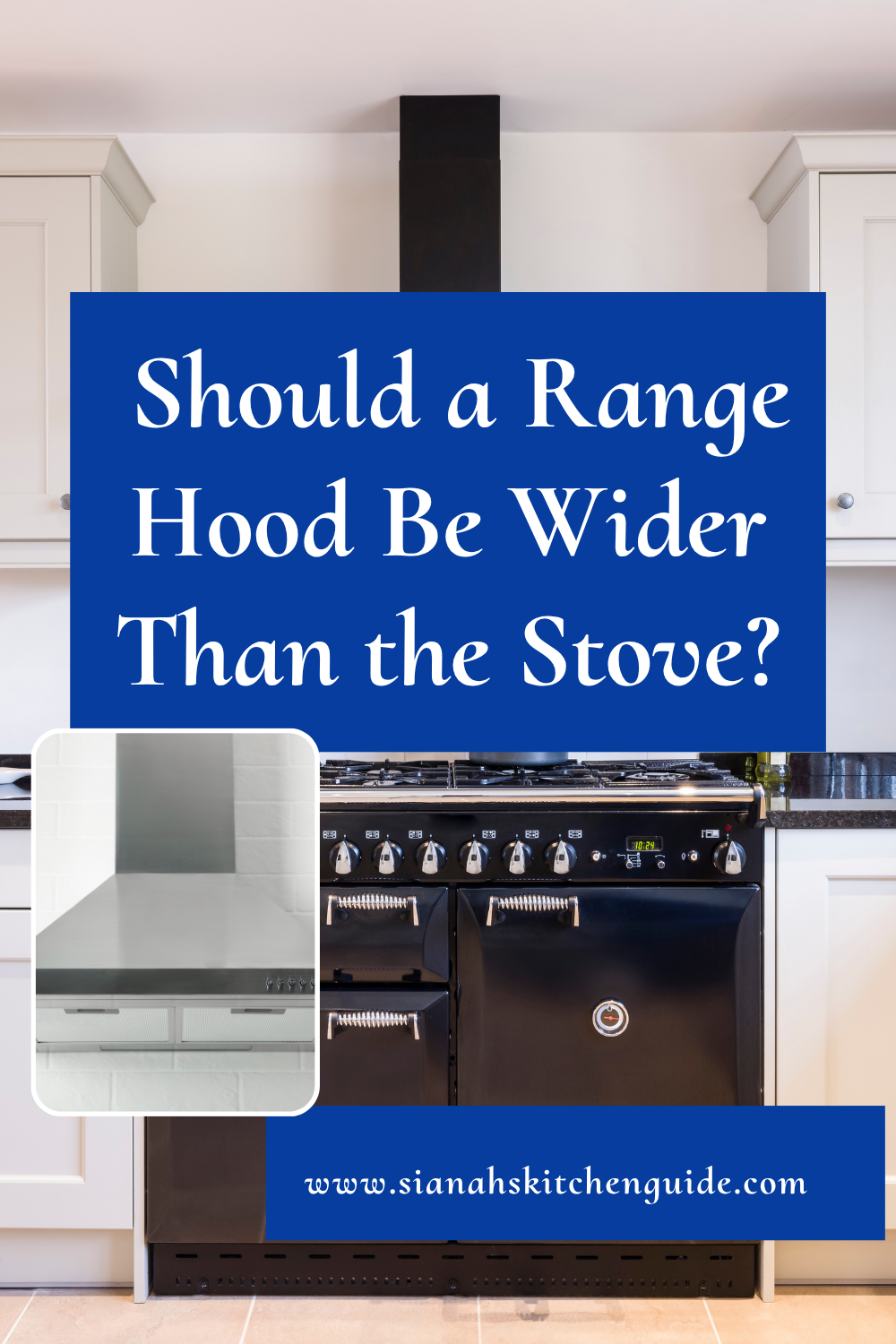
Imagine a 36-inch cooktop with a hood that’s barely wide enough to cover it. Even if that hood has plenty of airflow, cooking fumes can escape around the sides.
A slightly wider hood can give those fumes more room to be captured.
That is why shopping for a hood is not simply:
“Find the biggest CFM number.”
It’s:
“Find the right combination of coverage, airflow, cooking style and installation.”
What CFM Should I Get If I Fry a Lot?
If frying is a regular part of your cooking routine, I would pay closer attention to airflow.
Frying creates grease-laden cooking fumes, and high-heat cooking can send a surprising amount of heat and smoke upward.
You will need a stronger hood that will make your everyday cooking more comfortable.
You also want a hood that will capture the coverage properly.
A powerful blower underneath a narrow hood isn’t the dream team people imagine.
The hood needs to capture the cooking plume before it wanders away.
And yes, cooking with the hood before the kitchen is already smoky helps too.
Turn it on a few minutes before you start cooking.
Give the airflow a head start.
What CFM Do I Need for Wok Cooking?
Wok cooking deserves special attention because it tends to involve high heat, fast cooking, and plenty of movement.
That little wok can go from “everything is fine” to “why does my kitchen look foggy?” quickly.
If you cook with a wok often, a stronger hood can be a smart investment.
I would look beyond the CFM number too.
Pay attention to the hood width, capture depth, duct size, and installation.
You want the hood positioned to catch that plume while it is still rising.
Products Worth Considering
Now that we’ve made CFM considerably less scary, here comes the fun part: shopping for one.
The right model depends on your kitchen, but these give you different price and power points to consider.
Hauslane UC-PS18
This is a strong option for someone who wants a more powerful under-cabinet hood without jumping straight into a commercial-style setup.
The model is known for multiple fan speeds, stainless-steel construction, and a design that works nicely for everyday home kitchens.
FOTILE JQG7507
If you cook hard and want serious airflow, FOTILE is worth putting on the comparison list.
The JQG7507 is rated at 1,100 CFM and includes features such as motion control and multiple speed levels.
This is the kind of range hood that makes more sense for someone who regularly cooks with high heat rather than someone whose most demanding kitchen task is boiling pasta.
IKTCH 900 CFM Range Hood
A 900-CFM option sits in a spot for shoppers who want more airflow than a basic 300- or 400-CFM hood without immediately going all the way to 1,100 CFM.
It’s worth comparing if you do frequent frying, searing, or high-heat cooking.
ZLINE KB-36
If you’re shopping for a larger cooking setup, ZLINE offers several range hood options worth considering.
The KB-36 is especially relevant for a 36-inch cooking surface, where hood width and capture area become important parts of the decision.
COSMO COS-63175S
For shoppers who want something more affordable and design-conscious, the COSMO COS-63175S is another model to compare.
It offers a lower-CFM approach than the heavy-duty models above, making it more appropriate for lighter everyday cooking.
Frequently Asked Questions
Is 300 CFM enough for a range hood?
It can be for lighter cooking and some smaller cooking setups, but your cooktop type, BTU output, cooking habits, and ductwork all matter.
Is 400 CFM enough for a gas stove?
It can be, depending on the total BTU output and how you cook. A useful starting point for gas is approximately 1 CFM per 100 BTUs.
Is 600 CFM enough for a gas range?
For many gas ranges, yes. If the range produces around 60,000 BTUs, 600 CFM lines up with the common 1-CFM-per-100-BTU guideline.
Is 900 CFM too much for a range hood?
Not automatically. It can make sense for large ranges, high-output gas cooking, and heavy cooking. You should also check duct requirements and local makeup-air rules.
Is 1,000 CFM too much for a home kitchen?
Not necessarily. A large range with high-output burners and frequent high-heat cooking can justify a high CFM range hood. A smaller, lightly used cooktop may not need that much airflow.
Does higher CFM mean a better range hood?
No. CFM is only one part of the equation. Hood coverage, ductwork, installation, noise, and cooking style all matter.
Do I need a high CFM range hood for induction?
Not automatically. Induction does not produce combustion gases like gas cooking, but you still create steam, grease and cooking odors. Your cooking habits should help determine the airflow you need.
Does a 600 CFM hood need makeup air?
It may, depending on local building codes and how the hood’s airflow is rated. Some codes use 400 CFM as the threshold for makeup-air requirements, but requirements vary by location.
Conclusion
So, how many CFM do I need for a range hood?
Start with your cooking surface.
If you have gas, look at the total BTUs.
If you have an electric or induction stove, think about how often you cook.
Then look at the hood width, ductwork, and installation.
For a rough starting point, the familiar 1 CFM per 100 BTUs guideline is useful for gas cooking. A 60,000-BTU range puts you around 600 CFM. Heavy cooking may justify going higher.
But don’t let a giant number hypnotize you.
The best range hood is the one that matches your stove, your cooking habits, and your kitchen.
Because the whole point is pretty simple.
You should be able to fry dinner without your smoke alarm joining the family conversation.