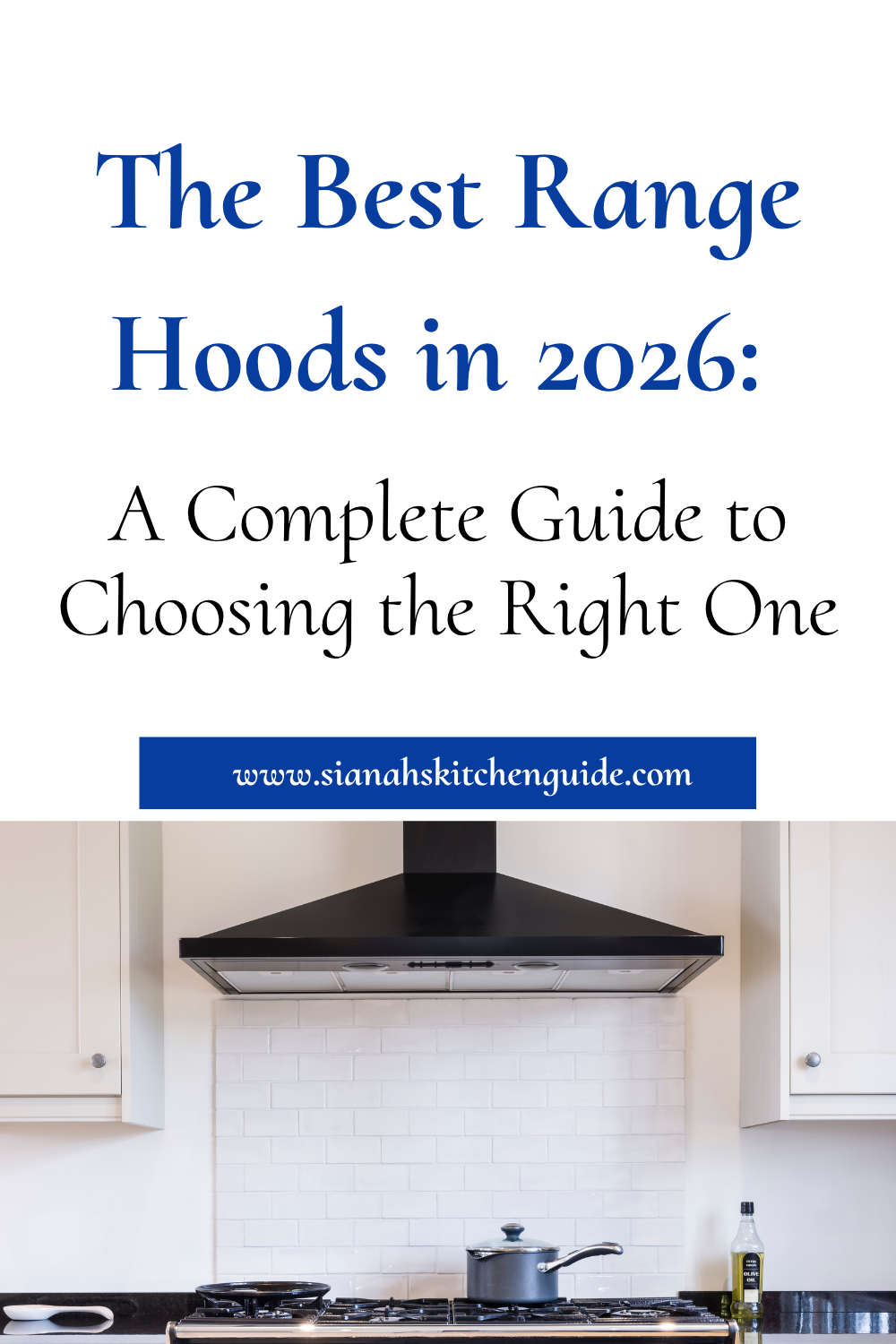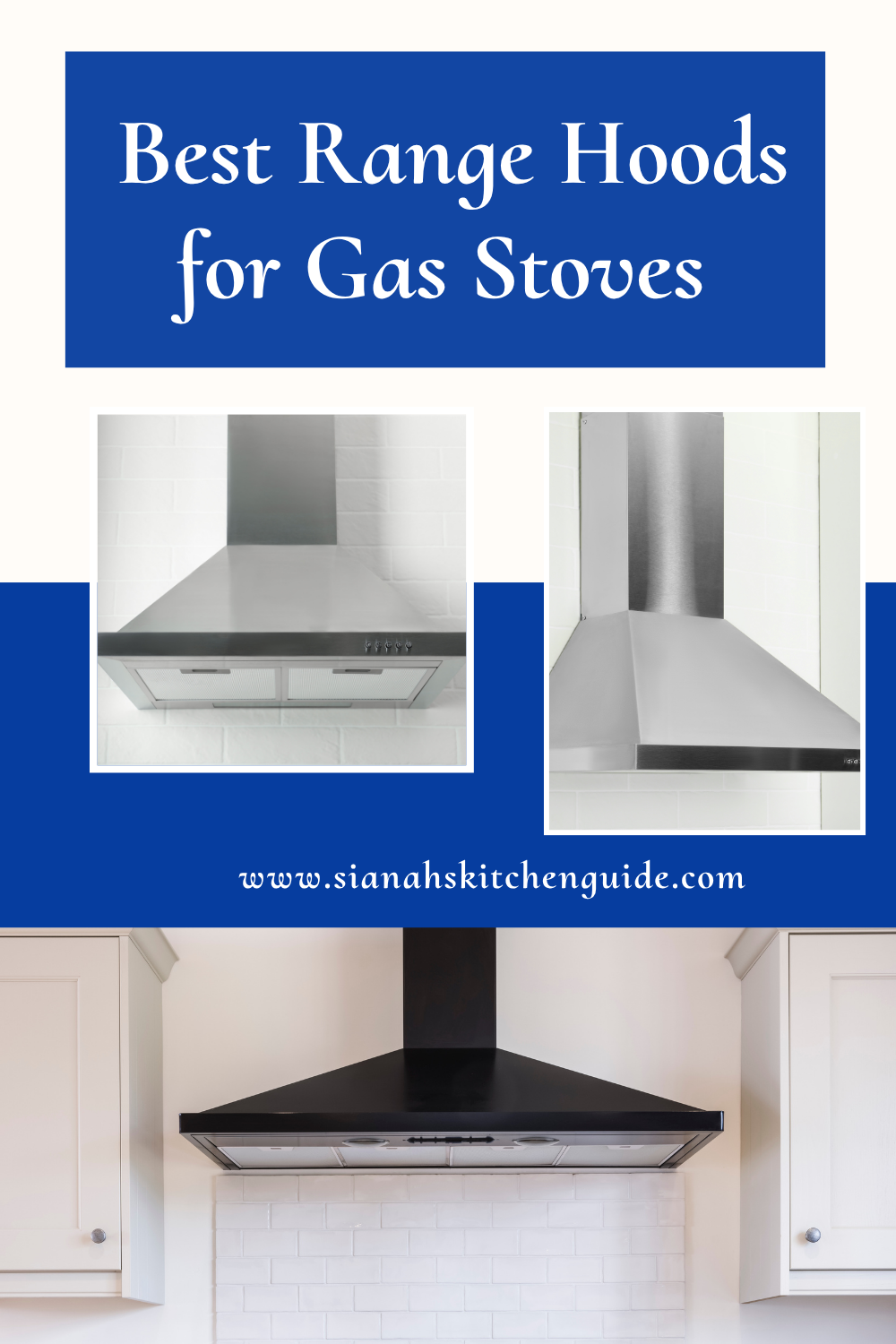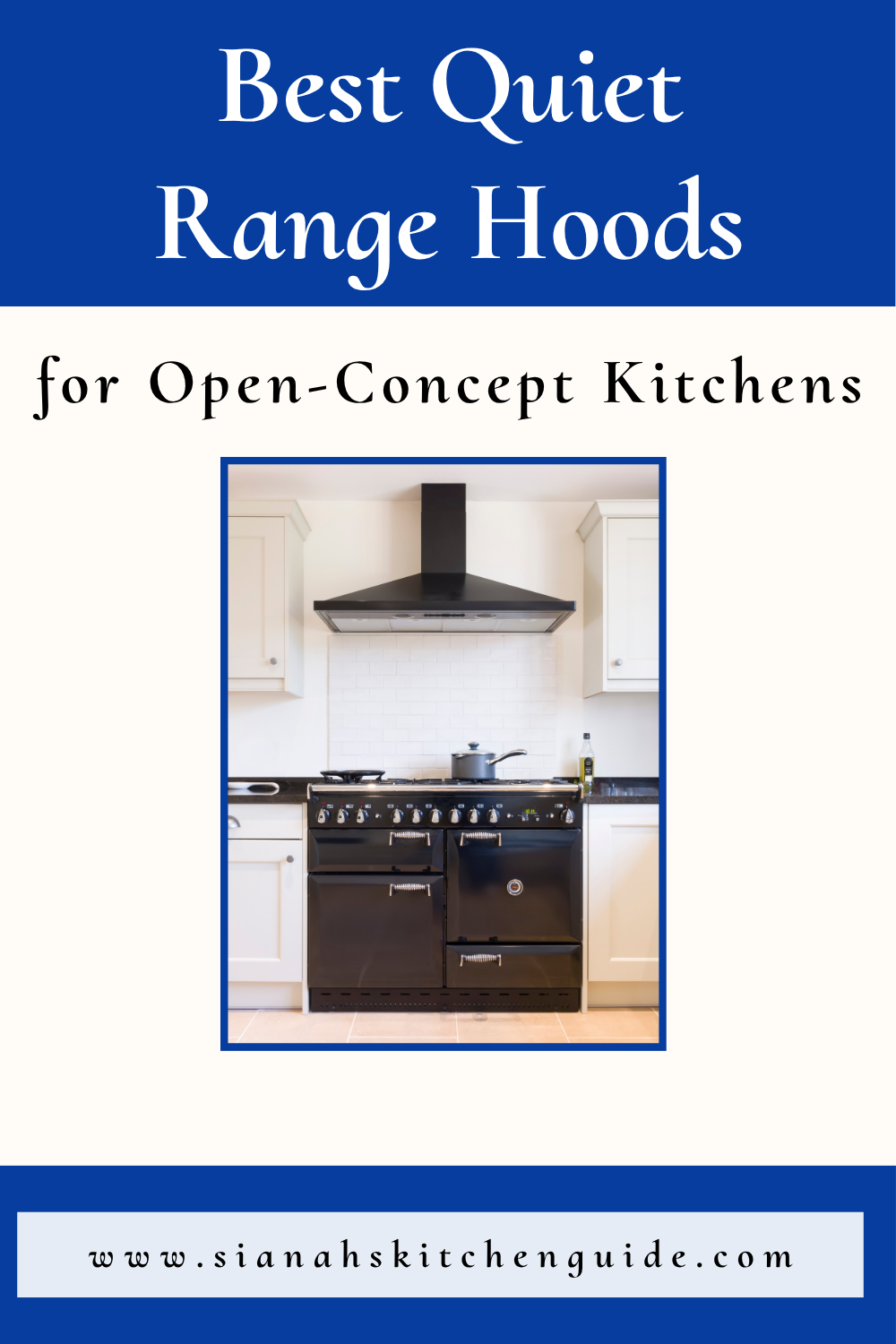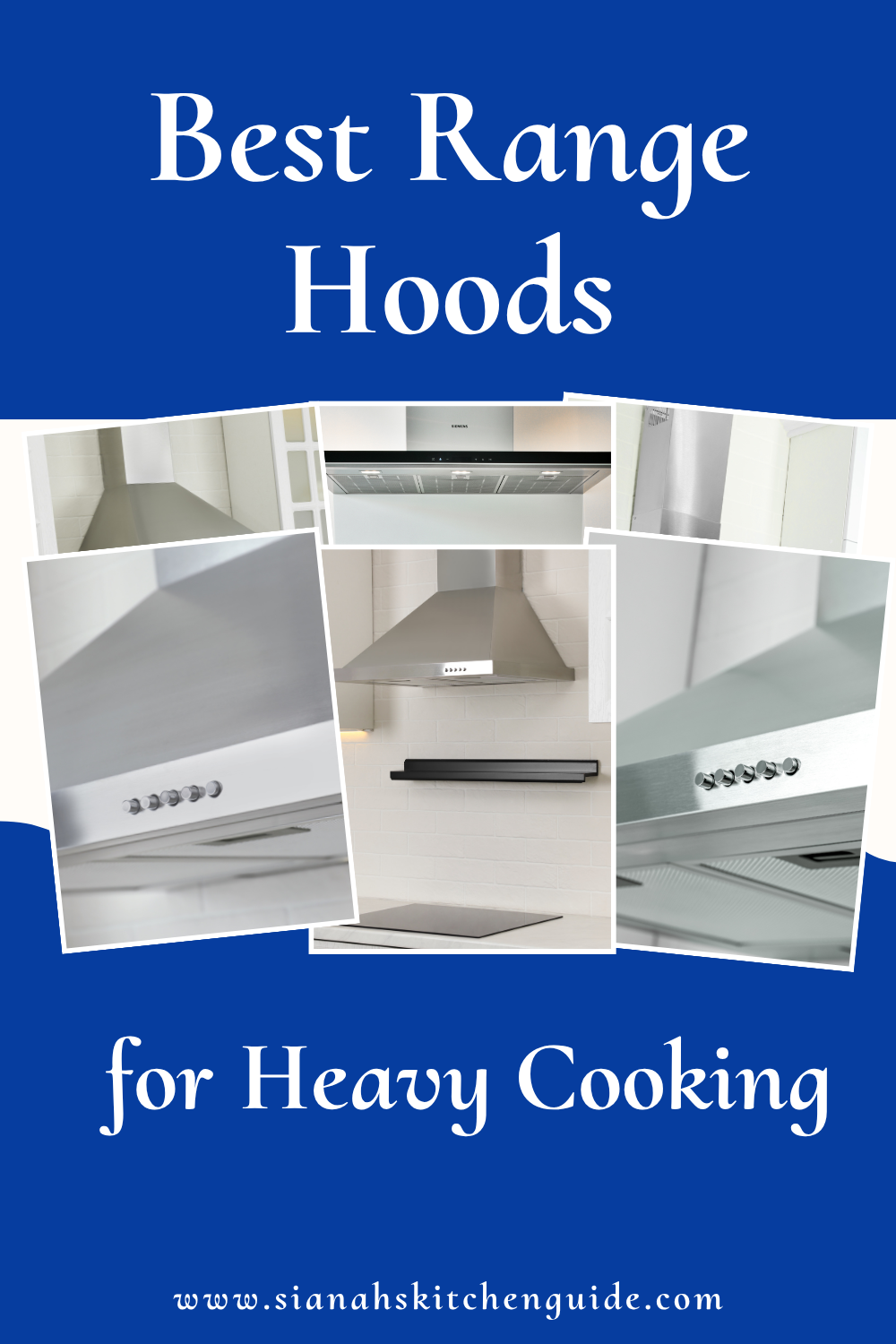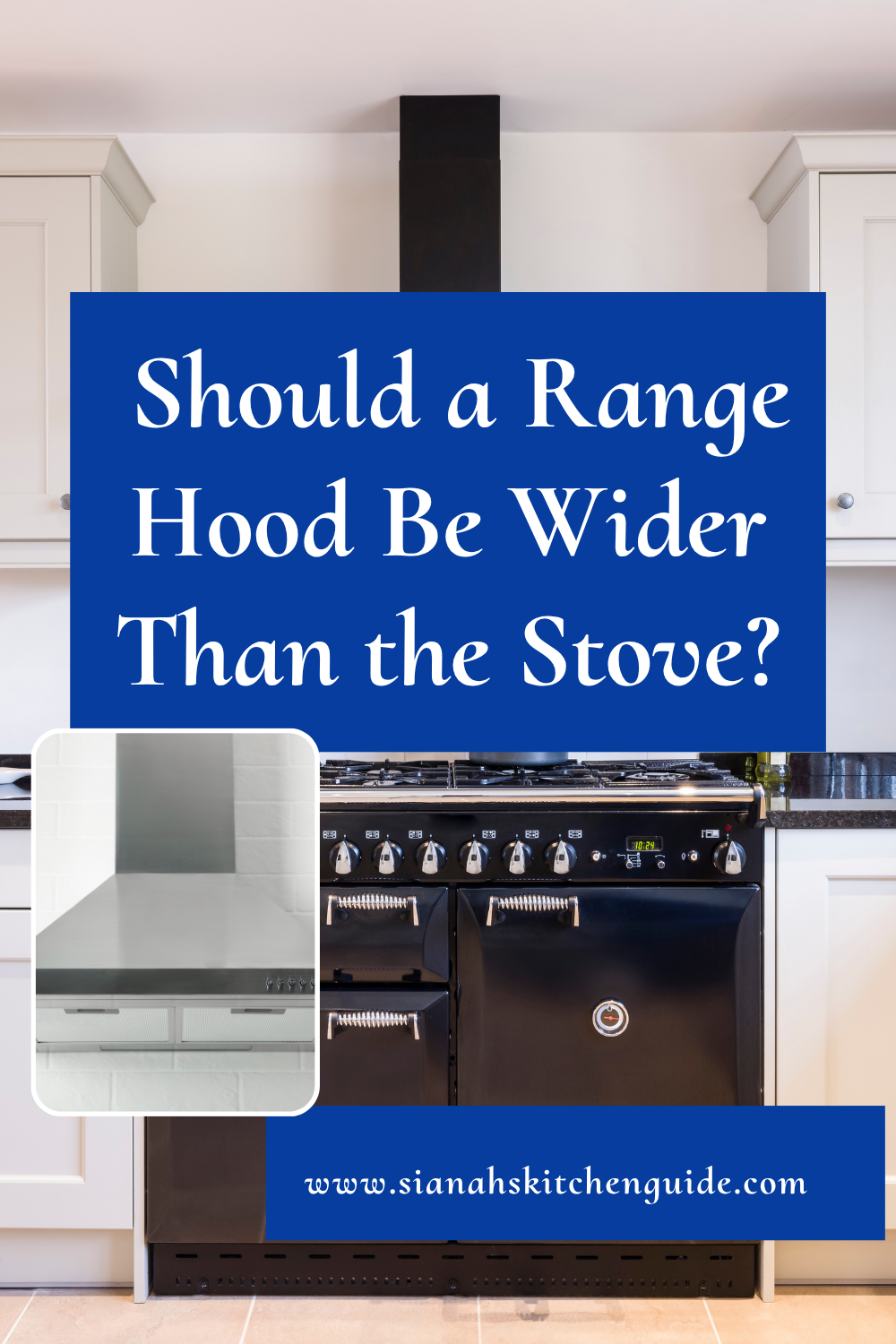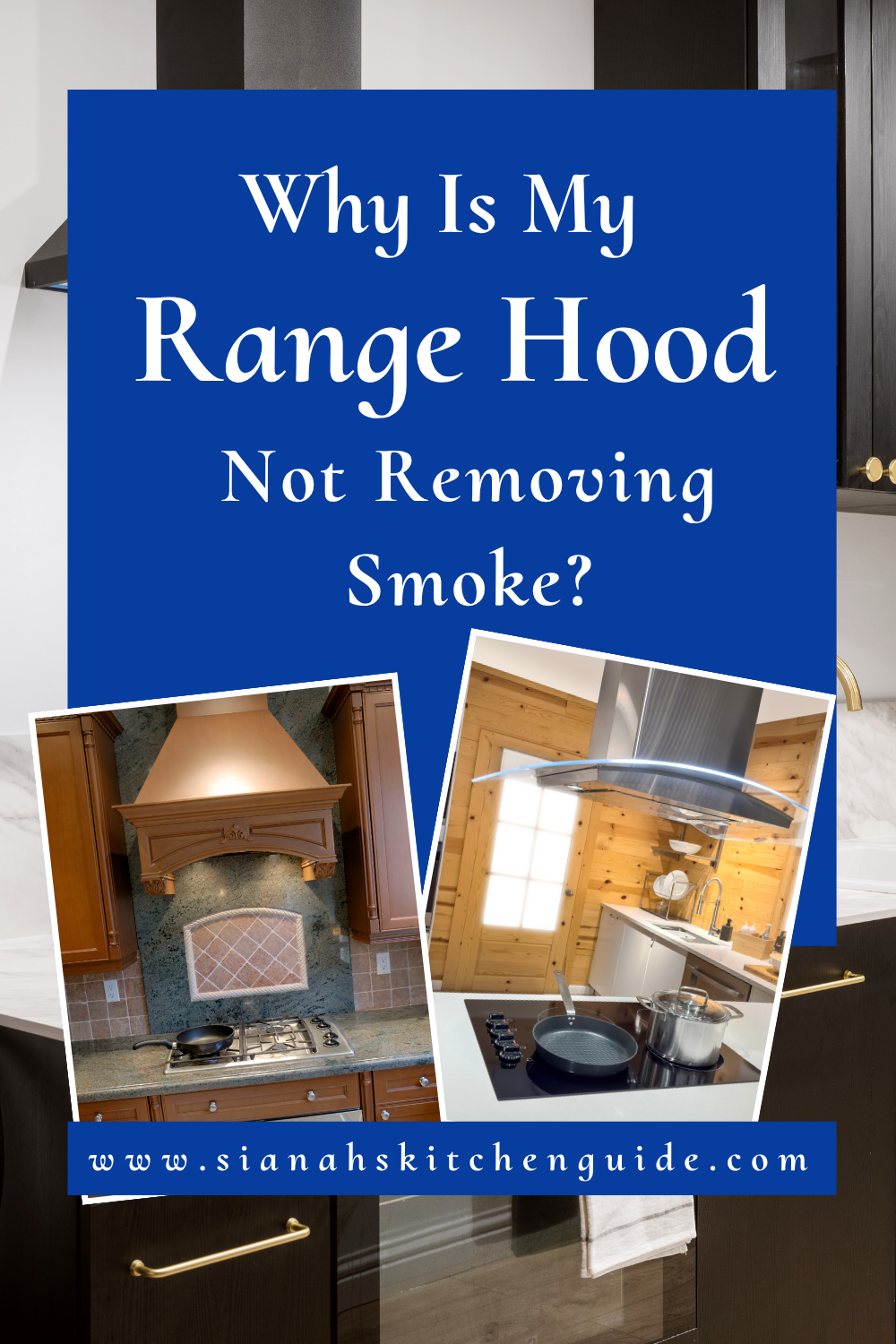
Is your range hood not removing smoke? If you’re standing over a frying pan waving your hand through a cloud of smoke, don’t worry. Your kitchen has not declared war on you.
You turn the hood on.
You hear the fan.
You see the little light come on.
Everything looks very official.
Meanwhile, the smoke is casually floating sideways into the living room.
Not ideal.
A range hood is supposed to capture smoke, grease, steam, and cooking odors around your cooking surface. When it isn’t doing that, the problem isn’t always the hood itself.
Sometimes it’s the filters.
Sometimes it’s the ductwork.
Sometimes the hood is mounted too high.
And sometimes the hood simply doesn’t have enough airflow for what you’re asking it to handle.
The good news is that you can work through the possibilities without immediately shopping for a new kitchen.
Why Is My Range Hood Not Removing Smoke?
Table of Contents
ToggleLet’s start with the obvious question.
Why isn’t the smoke going up?
For a range hood to capture smoke effectively, several things have to happen at the same time.
The hood needs enough airflow.
It needs to be positioned correctly.
The cooking area needs to sit within its capture zone.
The filters need to allow air through.
And if the hood is vented outside, the ductwork needs to let that air escape.
If one part of that chain isn’t working properly, you may end up with a hood that sounds busy while the smoke keeps escaping.
And yes, that is deeply irritating.
First, Check Whether Your Hood Is Recirculating
Before blaming your hood, find out where the air is going.
A ducted hood sends cooking air outside.
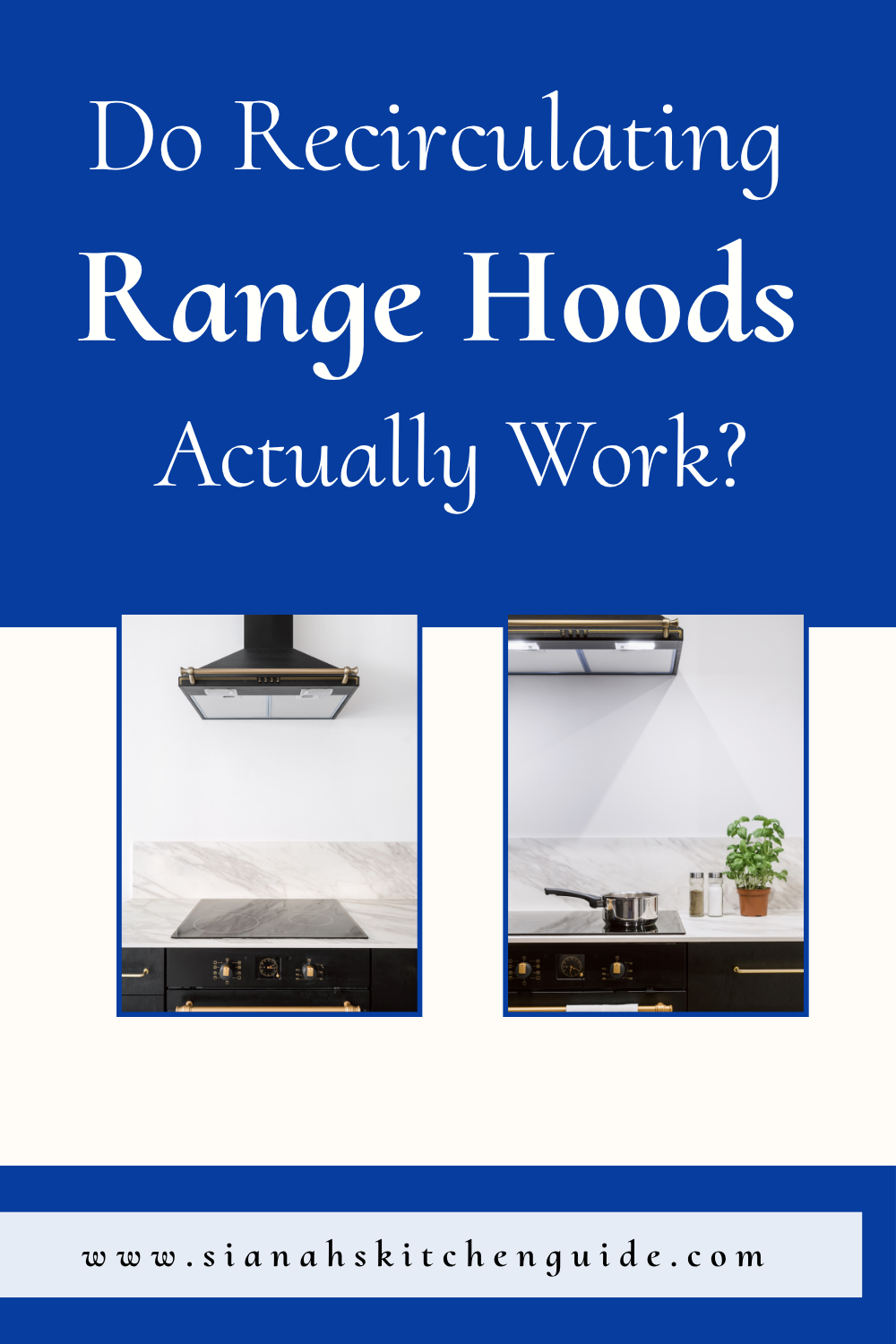
A recirculating hood filters the air and sends it back into the kitchen.
That distinction matters.
If your hood is recirculating, you shouldn’t expect it to remove smoke from the room in the same way an externally vented hood does.
It can filter grease and help with odors.
But the air isn’t leaving the house.
If you have an externally vented hood and smoke still isn’t being captured, then we have more detective work to do.
Could Your Hood Have Weak Suction?
If your range hood has weak suction, start with the easiest possibilities before assuming the motor is failing.
Turn the hood on its highest setting.
Hold a thin piece of tissue or paper near the underside of the hood.
You should feel the airflow pulling toward the hood.
This isn’t a laboratory test, but it can give you a quick clue about whether the hood is moving air.
If the airflow feels weak, check the filters next.
Check Those Filters
Grease filters have one very unpleasant job.
They catch grease.
And if you cook often, they can collect quite a bit of it.
A filter covered in sticky buildup can restrict airflow.
That means your hood has to work harder to move air through the system.
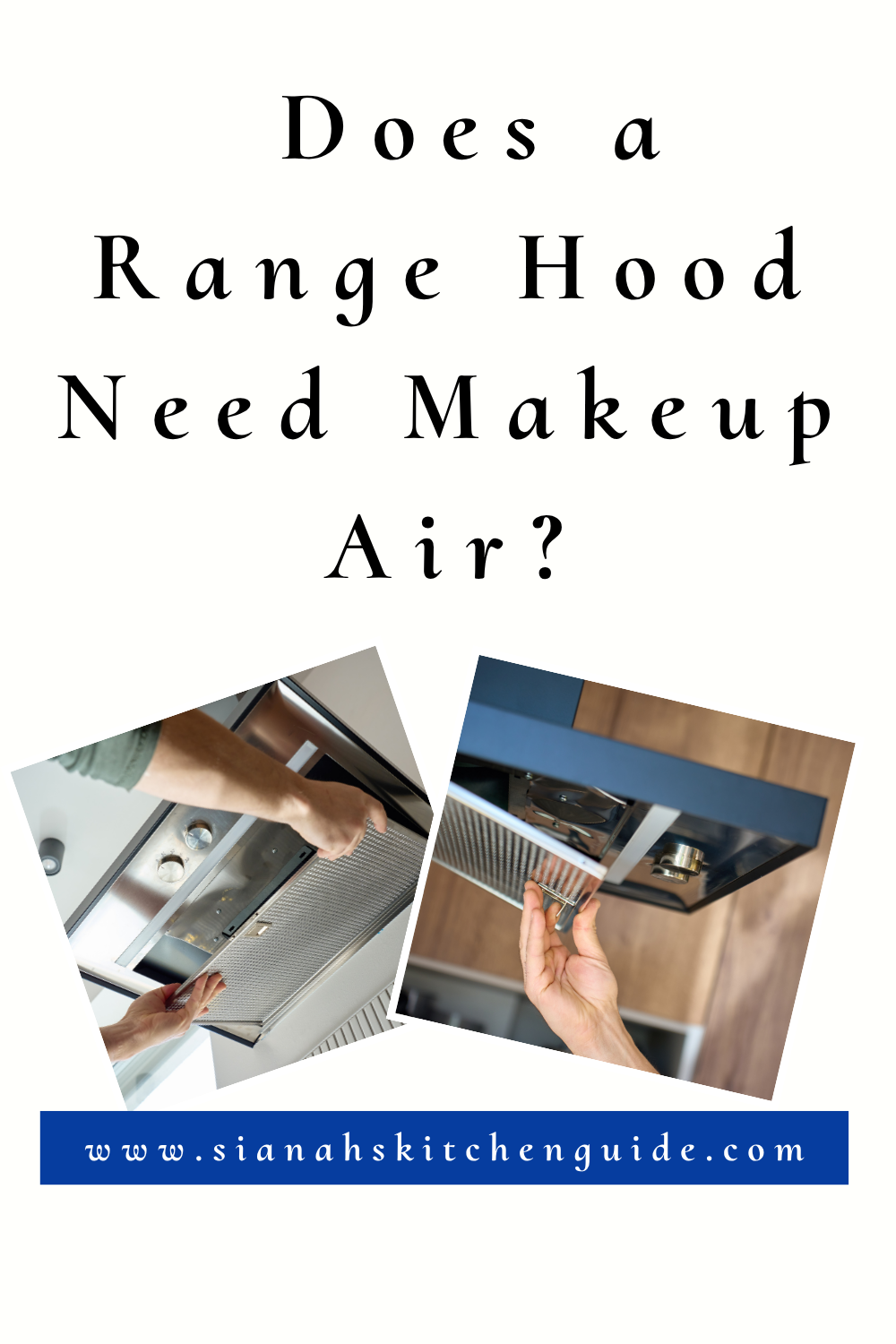
Remove the filters according to the manufacturer’s instructions and clean reusable metal filters.
If your model uses disposable filters, replace them when required.
Then test the hood again.
Sometimes the solution is hiding behind a filter that hasn’t been cleaned in far too long.
Does Range Hood CFM Matter?
Yes, range hood CFM matters.
CFM means cubic feet per minute and tells you how much air the hood can move.
But there is a little trap here.
A big CFM number printed on the product page doesn’t guarantee that same airflow in your kitchen.
Broan NuTone explains that installed airflow can be affected by duct length, duct size, bends, and static pressure. In other words, the ductwork can determine how much of that advertised airflow you really get once the hood is installed.
Think of it like buying a powerful water pump and then connecting it to a tiny garden hose.
The pump can be impressive.
The hose is still going to have opinions.
Your Ductwork Could Be the Problem
If your hood vents outside, the ductwork deserves a serious look.
A hood needs a clear path for air to travel.
A long duct run can create resistance.
Multiple bends can create resistance.
An undersized duct can restrict airflow.
And flexible ducting can create additional turbulence.
Always get smooth metal ducting and never reduce the duct size below the hood’s specified requirements. That can seriously restrict airflow.
So if your hood has a powerful blower connected to a restrictive duct system, the hood may be doing its best while the ventilation route is sabotaging it.
Could Your Duct Be Too Small?
This is worth checking, especially if the hood was installed during a renovation.
Your hood manufacturer should specify the required duct size.
Don’t assume that because a smaller duct fits, it’s suitable.
A smaller duct can restrict the airflow the hood needs.
And if someone installed a high-powered hood using ductwork designed for a much smaller system, you’ve got a mismatch.
That can leave you with less smoke capture than you expected.
It can also make the hood noisier.
So if you’re already hearing a lot of fan noise and getting poor smoke capture, the ductwork deserves a closer look.
Could Too Many Bends Be Hurting Your Airflow?
Picture the smoke trying to escape through your duct.
Now picture the duct making turn after turn after turn.
The air has to navigate all those changes in direction before it can leave the house.
A short, reasonably direct duct route is generally easier for the ventilation system to handle.
Whirlpool’s ventilation guidance recommends shorter duct runs and fewer transitions to help maintain airflow.
So if your hood is connected to a duct route that looks like a roller coaster, don’t be shocked if the airflow isn’t what you expected.
Is Your Hood Mounted Too High?
This one is easy to overlook.
If the hood sits too far above the cooking surface, smoke has more room to escape before it reaches the capture area.
Mounting a hood higher than the recommended height may reduce its capture capability.
That’s why the manufacturer’s recommended mounting height matters.
Don’t decide that higher must be better because it gives you more headroom.
Your hood isn’t a ceiling decoration.
It needs to be close enough to the cooking surface to catch what you’re producing.
Is Your Hood Wide Enough?
Width matters too.
If your cooktop is wider than the hood, smoke from burners near the edges can escape before reaching the capture area.
This becomes apparent when you’re cooking in large pans.
A wider hood gives the capture area more room to catch rising cooking fumes.
So if you have a 36-inch range tucked underneath a smaller hood, your smoke problem may have less to do with the blower and more to do with coverage.
What If the Smoke Is Escaping Sideways?
Now that’s a sneaky one.
Your hood may be pulling upward perfectly well, but another source of airflow could be pushing smoke away.
An open window can create a strong draft.
A ceiling fan can move air across the room.
An HVAC vent can create another current.
Even people walking around the kitchen can disturb rising smoke.
You don’t need to seal yourself inside a plastic bubble every time you cook.
But if smoke consistently moves away from the hood, look around the room and see whether another airflow source is pushing it.
Why Is My Range Hood Not Removing Cooking Smells?
If you are wondering why is my range hood not removing cooking smells? Your filtration setup may be part of the answer.
With an externally vented hood, odors can leave the house through the ductwork.
With a recirculating hood, odors have to pass through the hood’s filters before the air returns to the kitchen.
That means the condition of the charcoal filter matters.
If you’re using a recirculating hood and the kitchen still smells strongly of last night’s fried fish, check whether the charcoal filter needs replacing.
A dirty grease filter can also affect airflow.
And strong-smelling foods can overwhelm a small or weak ventilation system more easily than lighter cooking.
Are You Turning the Hood on Too Late?
This is another thing that can make a surprising difference.
Don’t wait until the kitchen is already smoky before turning on the hood.
Start it before you begin cooking and continue it for several minutes after cooking to help clear the smoke and odors.
That gives the ventilation system a chance to establish airflow around the cooking surface before the smoke starts to rise and after.
How to Improve Range Hood Suction
If you’re wondering how to improve range hood suction, work through these steps in order.
1. Clean the filters
Start with the easiest thing.
Grease buildup can restrict airflow.
2. Use the highest setting when smoke is heavy
If you’re frying or searing, don’t expect the lowest fan setting to capture everything.
Give the hood the airflow it needs.
3. Check whether you’re recirculating
If your hood isn’t vented outside, understand that it isn’t designed to exhaust cooking air from the home.
4. Check the duct size
Compare your existing duct with the hood manufacturer’s requirements.
5. Look at the duct route
Long runs, unnecessary bends and restrictive transitions can reduce airflow.
6. Check the mounting height
Make sure the hood is installed within the manufacturer’s recommended range.
7. Consider the hood width
Your hood needs enough coverage for the cooking surface.
8. Look for competing airflow
Check nearby windows, fans, and HVAC vents if smoke is being pushed away from the hood.
9. Check the blower
If you’ve ruled out the easier causes and the airflow still seems weak, the blower or motor may need professional inspection.
What If Your Hood Has Plenty of CFM but Still Doesn’t Capture Smoke?
This is one of the most frustrating situations.
You look at the specifications.
The hood has a big CFM number.
You think, “How are you losing to a frying pan?”
But remember that maximum blower CFM and installed airflow aren’t always the same thing.
Maximum airflow can be measured without ductwork, while installed airflow is affected by the resistance created by the actual ventilation system.
So your hood can have a powerful blower and still struggle if the installation isn’t allowing that airflow to reach the outside efficiently.
This is why buying the biggest CFM number you can find isn’t always the answer.
The entire ventilation system needs to make sense.
When Should You Replace the Range Hood?
Don’t rush into replacing your hood because it struggles with one smoky dinner.
First, figure out why.
If the filters are dirty, clean them.
If the ductwork is restricted, address the ductwork.
If the hood is mounted too high, that’s an installation issue.
If the hood is simply too small for your cooking surface, replacement may make sense.
And if the blower has failed or the hood is old and inefficient, that’s when upgrading becomes much more attractive.
A new hood won’t magically fix a badly designed duct system.
If anything, you’ll just have a shiny new hood making the same mistake.
Products Worth Considering
If you’ve gone through the troubleshooting and decided that your hood needs an upgrade, this is where shopping gets fun
You don’t need the biggest, loudest appliance on the internet.
You want a hood that matches your cooking style, cooking surface, CFM needs, and ventilation setup.
Hauslane UC-PS18
The Hauslane UC-PS18 is a strong option for cooks who want several fan speeds and a more powerful under-cabinet setup.
Its six-speed controls give you more flexibility than a simple low-medium-high arrangement.
That matters because you don’t need maximum airflow every time you turn on the stove.


FOTILE JQG7507
The FOTILE JQG7507 is worth considering if you’re looking for a more powerful hood for frequent cooking.
Its high airflow and multiple speed settings make it particularly interesting for people who regularly fry, sear, or cook meals that create a lot of smoke.


Broan-NuTone 423023
If you’re looking for a simpler and more affordable ducted option, the Broan-NuTone 423023 is worth a look.
Broan lists it at 190 CFM and specifies 7-inch round ducting. It is designed for external ventilation and includes a removable metal grease filter.
It won’t be the choice for someone demanding restaurant-level airflow.
But for a simpler kitchen setup, it can be a practical option.

Frequently Asked Questions
Why is my range hood not removing smoke?
Common causes include insufficient airflow, dirty filters, incorrect mounting height, a hood that is too narrow, restrictive ductwork, an undersized duct, or a recirculating configuration.
Why does my range hood have weak suction?
A range hood has weak suction for several possible reasons. Dirty filters, duct restrictions, incorrect duct size, long duct runs, multiple bends, or a blower problem can all reduce airflow.
Does range hood CFM matter?
Yes. CFM measures the amount of air the hood can move, but the advertised maximum doesn’t always equal the airflow you get after installation. Duct size, length, bends, and static pressure can reduce delivered airflow.
Why is my range hood not removing cooking smells?
A range hood not removing cooking smells may have a dirty grease filter, an exhausted charcoal filter, or insufficient airflow. Recirculating hoods also return filtered air to the kitchen rather than exhausting it outside.
How can I improve range hood suction?
To improve range hood suction, start by cleaning the filters, checking the fan setting, confirming the duct size, and looking for restrictions in the ductwork. Also check the hood’s mounting height and width.
Should I leave my range hood on after cooking?
Yes. Letting it run for several minutes after cooking can help clear remaining smoke and odors.
Can a range hood be too high?
Yes. If the hood is mounted higher than the manufacturer’s recommended height, smoke can escape before it reaches the capture area.
Can a range hood be too narrow?
Yes. A hood that doesn’t adequately cover the cooking surface can struggle to capture smoke from pans near the edges.
Does a recirculating hood remove smoke?
A recirculating hood filters air and returns it to the room. It can capture some airborne particles and odors, but it doesn’t exhaust cooking air outdoors like a ducted hood.
Why does smoke go around my range hood?
Smoke can escape when the hood doesn’t provide enough capture area or airflow. Strong drafts from windows, HVAC systems, or fans can also push smoke away from the hood.
Conclusion
I hope I have answered your range hood not removing smoke question. Remember that when you have such a problem, it’s tempting to assume the hood is broken.
Sometimes it is.
But often, the story is a little more complicated.
Maybe the filters are clogged.
Maybe the hood is too high.
Maybe the duct is too small.
Maybe there are too many bends.
Maybe you’re cooking more intensely than the hood was designed to handle.
Or maybe that innocent-looking window beside the stove is sending every bit of smoke straight toward your dining room.
Start with the simple things.
Clean the filters.
Check the fan speed.
Find out whether the hood vents outside.
Look at the ductwork.
Check the hood’s position and coverage.
Then, if the hood still can’t keep up, it’s time to think about an upgrade.
Because dinner should end with a good meal.
Not with you standing in the living room wondering why the entire house smells like fried chicken.