Do Recirculating Range Hoods Actually Work? What They Remove, What They Don’t, and When They’re Worth It

4.3K

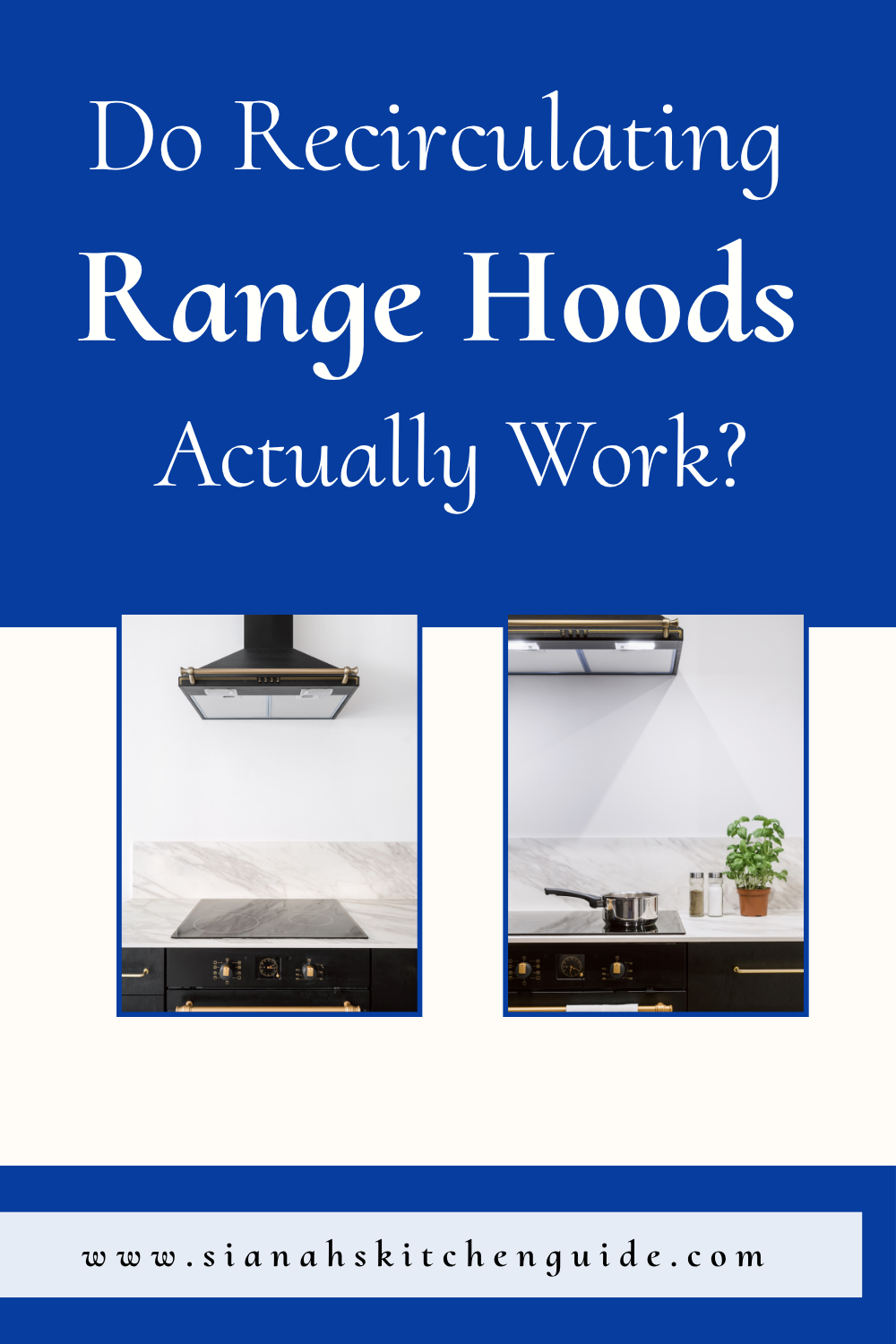
If you’ve ever watched steam, smoke, and the smell of fried onions slowly take over your kitchen, you’ve probably wondered: do recirculating range hoods work, or are they just moving the same kitchen air around and hoping nobody notices?

That’s a fair question.

A recirculating range hood can help.

But it has a very specific job.

It filters cooking air and sends that air back into the kitchen instead of sending it outdoors through ductwork.

That means it can capture grease and help reduce some cooking odors.

It can also make a noticeable difference when exterior venting isn’t possible.

But it doesn’t make heat, steam, and cooking fumes disappear.

And that’s the part that gets confusing.

So let’s make the whole thing simple.

How Does a Recirculating Range Hood Work?

Table of Contents

A recirculating range hood pulls cooking air upward through filters.

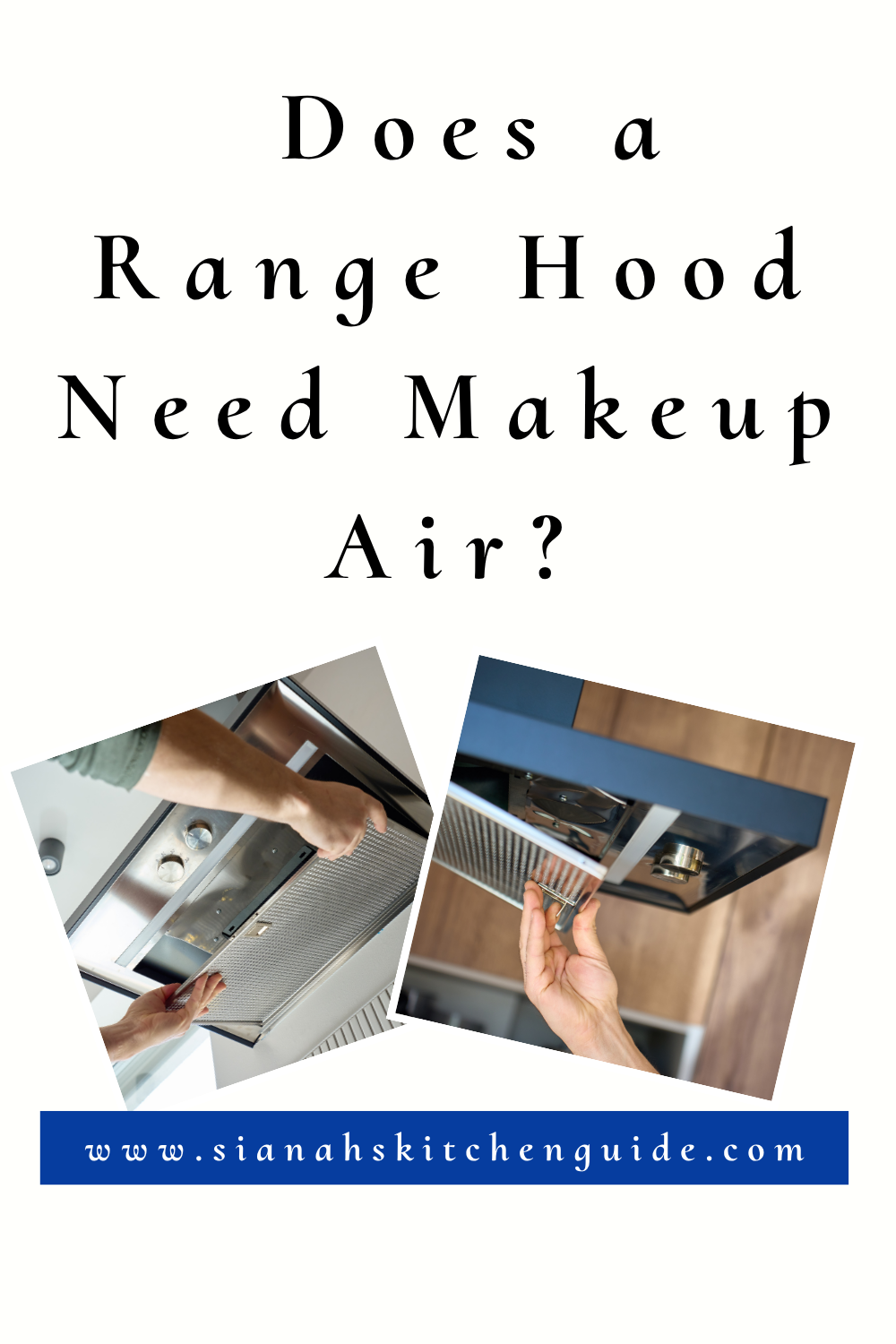
The first filter usually deals with grease.

Then, depending on the hood, a charcoal or carbon filter helps reduce odors.

After that, the filtered air goes back into the kitchen.

Kitchen air goes up.

Filters do their jobs.

Air comes back down.

No duct disappears into your wall.

No hole has to be cut through the roof.

And no cooking fumes are sent outside.

This is why recirculating hoods are useful in kitchens where installing ductwork would be difficult or impossible.

They’re also common in apartments, condos, and kitchens where the stove isn’t positioned conveniently for an exterior vent.

Do Recirculating Range Hoods Work?

Yes, recirculating range hoods do work, but within their limits.

A recirculating hood can capture grease from cooking.

Its charcoal filter can help reduce cooking odors.

And the fan moves air away from the cooking surface while you’re preparing food.

That’s useful.

But the air stays inside your home.

This is the big difference between recirculating and externally vented ventilation.

If you are frying something, the hood can filter some of the grease particles and odors.

But the heat and moisture generated during cooking remain in the room.

So if your kitchen gets hot and steamy when you cook, a recirculating hood isn’t going to send that heat and moisture outside.

It’s filtering.

It’s not evacuating the room.

That’s an important distinction to understand before buying one.

Should a Range Hood Vent Outside?

Now you might be asking, should a range hood vent outside?

For most serious cooking situations, yes.

Outside venting gives cooking fumes somewhere to go.

Smoke, heat, moisture, and airborne cooking particles can travel through ductwork and leave the home.

That is useful if you regularly fry, sear, grill or cook at high heat.

Think about the difference between opening a window in a smoky room and spraying air freshener into it.

The air freshener might make things smell better.

But the smoke is still in the room.

Outside ventilation gives the unwanted air an actual exit.

A recirculating hood takes a different approach.

It filters the air that passes through it and returns that air to the kitchen.

That doesn’t make it useless.

It just means you’re choosing filtration rather than exterior exhaust.

When Does Recirculating Ventilation Make Sense?

There are plenty of kitchens where recirculating ventilation is the sensible choice.

Maybe your stove sits on an interior wall.

Maybe you’re renting.

Maybe your building doesn’t allow new ductwork.

Maybe running a duct through the roof would cost more than you’re willing to spend.

Maybe you’re renovating a kitchen and don’t want to open up half the ceiling just to create a ventilation route.

In those situations, a recirculating hood can be a practical solution.

You still get a fan.

You still get grease filtration.

You can still use a charcoal filter to help with odors.

And you don’t have to turn your kitchen renovation into a construction site.

Do Recirculating Range Hoods Work Well?

The better question is, do recirculating range hoods work well for the way you cook?

For lighter cooking, they can.

If you’re mostly boiling, simmering, baking, and sautéing, a good recirculating hood can provide useful filtration.

If you’re constantly frying food, cooking with a wok or searing meat over high heat, you’ll probably notice its limitations much sooner.

Why?

Because your cooking is producing more smoke, grease, heat and moisture.

The hood can only filter the air that passes through it.

It can’t remove everything your stove produces.

That’s why your cooking habits matter so much when choosing between recirculating and ducted ventilation.

What Does the Grease Filter Do?

The grease filter is one of the hardest-working parts of the hood.

Its job is to catch grease particles before they travel farther into your kitchen.

If you’ve ever cleaned the inside of an old range hood, you already know why this matters.

Grease has a remarkable talent for finding cabinets.

Walls.

Ceilings.

Nearby appliances.

Basically anything it can stick to.

The filter helps intercept some of that grease before it gets there.

Most metal grease filters can be washed and reused, although you should follow the cleaning instructions for your particular hood.

This is one reason regular cleaning matters.

A filter covered in months of grease isn’t going to be your kitchen’s shining little hero.

It’s going to be a greasy sponge sitting above your stove.

What Does a Charcoal Filter Do?

This is where the charcoal filter comes in.

A charcoal or carbon filter helps reduce cooking odors from the air passing through the hood.

That’s particularly important with recirculating systems because the air is returning to your kitchen.

Without an odor filter, the hood would mainly be moving and filtering grease while sending much of the smell right back into the room.

Charcoal helps with that.

But charcoal filters don’t last forever.

And this is one of the most important maintenance jobs for a recirculating hood.

How Often to Replace Range Hood Charcoal Filter

So, how often to replace range hood charcoal filter depends on the manufacturer, the specific filter, and how frequently you cook.

Many manufacturers recommend replacing disposable charcoal filters every few months.

Some models may recommend a different interval.

Heavy cooking can shorten the useful life of the filter.

If you fry frequently, cook strong-smelling foods, or use your hood every day, you may need to replace it more often than someone who cooks a few times a week lightly.

And there is a very simple clue that your charcoal filter may be overdue.

Your kitchen still smells strongly like dinner even though the hood has been running.

That’s your filter saying, “Ma’am, I have done enough.”

Listen to it.

Check your owner’s manual for the exact replacement schedule and filter type.

Can You Wash a Charcoal Filter?

Usually, no.

This is where people sometimes get themselves into trouble.

Metal grease filters can often be cleaned.

Disposable charcoal filters generally need to be replaced rather than washed.

Charcoal works by trapping and adsorbing odor-producing compounds.

Once the filter is saturated, washing it isn’t the same thing as installing a fresh filter.

If your hood uses a washable charcoal filter, follow the manufacturer’s instructions.

But don’t assume every black filter can go into the sink just because the metal grease filter can.

Can You Convert a Recirculating Range Hood to Vent Outside?

One time I remember asking, can you convert a recirculating range hood to vent outside? But the answer depends entirely on the model and your kitchen.

Some range hoods are designed to support both recirculating and ducted installation.

Others are designed only for recirculation.

If the hood supports exterior ventilation, you’ll still need an appropriate duct route.

That could mean going through a wall, cabinet, ceiling, or roof depending on the kitchen layout.

You’ll also need to consider the duct diameter and the manufacturer’s installation requirements.

So don’t buy a recirculating hood assuming you can always convert it later.

Check first.

That little detail could save you from buying an appliance that can’t do what you eventually want.

What Would a Conversion Involve?

If your hood can be converted, the process generally involves changing the ventilation configuration and connecting the hood to ductwork that leads outdoors.

The exact process varies by model.

You may need:

  • A compatible duct connection
  • Properly sized ductwork
  • An exterior termination
  • Appropriate elbows and fittings
  • Access to the wall, ceiling or roof
  • Electrical installation that meets local requirements

And depending on your kitchen, that can become a much bigger project than simply swapping a filter.

If you’re opening walls or cutting through roofing, this is a good place to involve a qualified installer.

Recirculating vs. Outside Venting: Which Should You Choose?

Let’s make this incredibly easy.

Choose recirculating if:

  • Exterior ducting isn’t practical
  • You live in a rental
  • Your stove is on an interior wall
  • You don’t want a major renovation
  • Your cooking is mostly light to moderate
  • You mainly want grease and odor filtration

Choose outside venting if:

  • You cook frequently
  • You fry often
  • You cook with high heat
  • Your kitchen gets very steamy
  • Smoke is a regular problem
  • You want cooking air removed from the home
  • You already have suitable ductwork

Neither option automatically makes a kitchen “right” or “wrong.”

Your kitchen decides.

Your cooking habits decide.

And, unfortunately, your house’s layout gets a vote too.

What About Heat and Steam?

This is where you should set your expectations.

A recirculating hood can filter some airborne particles and odors.

It does not send the heat and moisture outside.

So if you’re boiling a huge pot of pasta and your kitchen windows are fogging up, the recirculating hood isn’t going to perform the same job as an externally vented hood.

The moisture remains inside.

The heat remains inside.

The filtered air returns to the room.

If controlling heat and humidity is one of your biggest concerns, outside venting has a major advantage.

What About Cooking Smells?

This is where charcoal filters can be genuinely helpful.

A good charcoal filter can reduce odors as air passes through it.

But again, the word is reduce.

Not erase.

If you cook fish, curry, fried foods, or other strongly scented meals, you may still notice the smell afterward.

And if the charcoal filter is old, you may notice it even more.

That doesn’t mean the hood has failed.

It may simply mean the filter has reached the end of its useful life.

What About Grease?

Recirculating hoods can capture grease through their grease filters.

That’s a major benefit.

But no filter catches every particle.

Some grease can still settle on nearby surfaces.

This is particularly noticeable with high-heat frying.

If you cook bacon every morning, for example, your kitchen is going to produce more airborne grease than someone who mostly eats cereal and occasionally boils an egg.

Your filter has to deal with whatever your stove is producing.

Products Worth Considering

If you’ve decided that recirculating ventilation makes sense for your kitchen, look for models that support recirculating installation and have readily available replacement filters.

Hauslane UC-PS18 Range Hood

The Hauslane UC-PS18 is another model worth looking at if you’re after an under-cabinet hood with multiple fan speeds and a stainless-steel design.

It is available in different widths, making it easier to match the hood to your cooking surface.

Check the exact model specifications to see whether the configuration you need supports recirculation.

Click here to buy the Hauslane UC-PS18 on Amazon⁠

We earn a commission if you make a purchase, at no additional cost to you.
09/15/2026 07:46 pm GMT

FOTILE JQG7507 Range Hood

The FOTILE JQG7507 is worth considering if you want a powerful hood with multiple speed settings and the flexibility to compare different installation configurations.

Its high airflow rating makes it interesting for people who cook frequently.

Make sure to confirm the exact ventilation configuration and compatible filters before ordering.

Click here to buy the FOTILE JQG7507 on Amazon

Broan-NuTone 30-Inch Range Hoods

Broan-NuTone has a wide selection of residential range hoods, including models designed for different installation configurations.

This makes the brand useful when you’re looking for a more straightforward option and want replacement filters that are easy to find.

Click here to buy the Broan-NuTone range hoods on Amazon

Cosmo Range Hoods

Cosmo is another brand worth browsing if you’re comparing more affordable range hood options.

Several models are designed with recirculating installation in mind, which can be useful for kitchens without exterior ducting.

Always check the individual model’s filter requirements before buying.

Click here to buy the Cosmo recirculating range hoods on Amazon⁠

We earn a commission if you make a purchase, at no additional cost to you.
09/15/2026 07:46 pm GMT

Join Our Email List

Subscribe to get our latest content by email.

    We won't send you spam. Unsubscribe at any time.

    Frequently Asked Questions

    Do recirculating range hoods work?

    Yes. They can capture grease and help reduce cooking odors, but they return filtered air to the kitchen rather than exhausting it outdoors.

    Do recirculating range hoods work well?

    They can work well for lighter cooking and kitchens where outside ducting isn’t practical. Heavy frying, high-heat cooking and large amounts of steam can expose their limitations.

    Should a range hood vent outside?

    If outside venting is practical, it is generally the better option for removing smoke, heat, moisture and cooking fumes from the home.

    How often should I replace a range hood charcoal filter?

    Follow the hood manufacturer’s recommendation. Many disposable charcoal filters are replaced every few months, with more frequent replacement potentially needed in kitchens where the hood is used heavily.

    Can I wash a charcoal range hood filter?

    Disposable charcoal filters generally should be replaced rather than washed. Washable charcoal filters are different, so check the manufacturer’s instructions.

    Can you convert a recirculating range hood to vent outside?

    Sometimes. The hood must support ducted installation, and your kitchen must have a suitable route for ductwork to the exterior.

    Does a recirculating hood remove smoke?

    It can capture some smoke particles as air passes through its filters, but it doesn’t remove smoke from the home as completely as an externally vented hood.

    Does a recirculating hood remove cooking odors?

    It can reduce cooking odors, especially when the charcoal filter is fresh and properly installed. Strong odors may still remain in the kitchen.

    Does a recirculating hood remove heat?

    No. Because the air is returned to the kitchen, the heat generated by cooking remains indoors.

    Does a recirculating hood remove steam?

    It can capture some moisture as air passes through the hood, but it does not exhaust steam outside. An externally vented hood is better suited to removing moisture from the home.

    Conclusion 

    So, do recirculating range hoods work?

    Yes.

    They just work differently from a ducted hood.

    A recirculating hood can be a smart solution when running ductwork outside isn’t practical.

    It can capture grease.

    It can reduce odors.

    It can help keep some cooking particles from settling around your kitchen.

    And with regular filter maintenance, it can be a useful part of your kitchen setup.

    But if you have the option to vent outside and you cook hard, fry often or regularly deal with smoke and steam, I would give serious thought to exterior ventilation.

    Think of it this way.

    A recirculating hood says, “Let me clean this air before I send it back.”

    An externally vented hood says, “Let’s get this stuff out of the house.”

    Both have a place.

    The trick is choosing the one that fits your kitchen, your cooking style, and your renovation reality.

    And please check the filter once in a while.

    Your kitchen has been trying to tell you something.

    Read More Range Hood Posts Here!

    Leave a Reply

    Your email address will not be published. Required fields are marked *

    Like
    Close
    Sianah’s Kitchen Guide © Copyright 2026. All rights reserved.
    Close