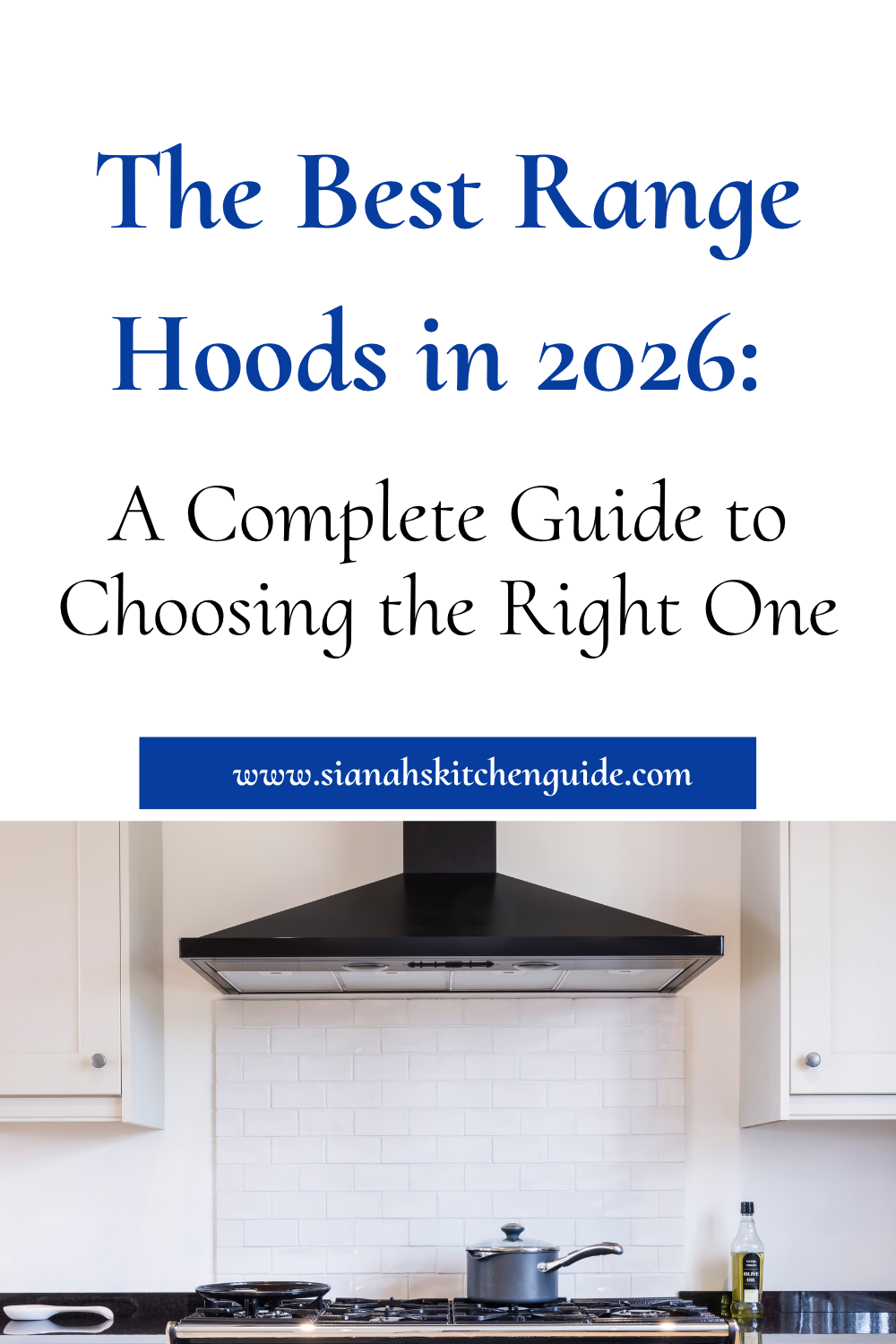
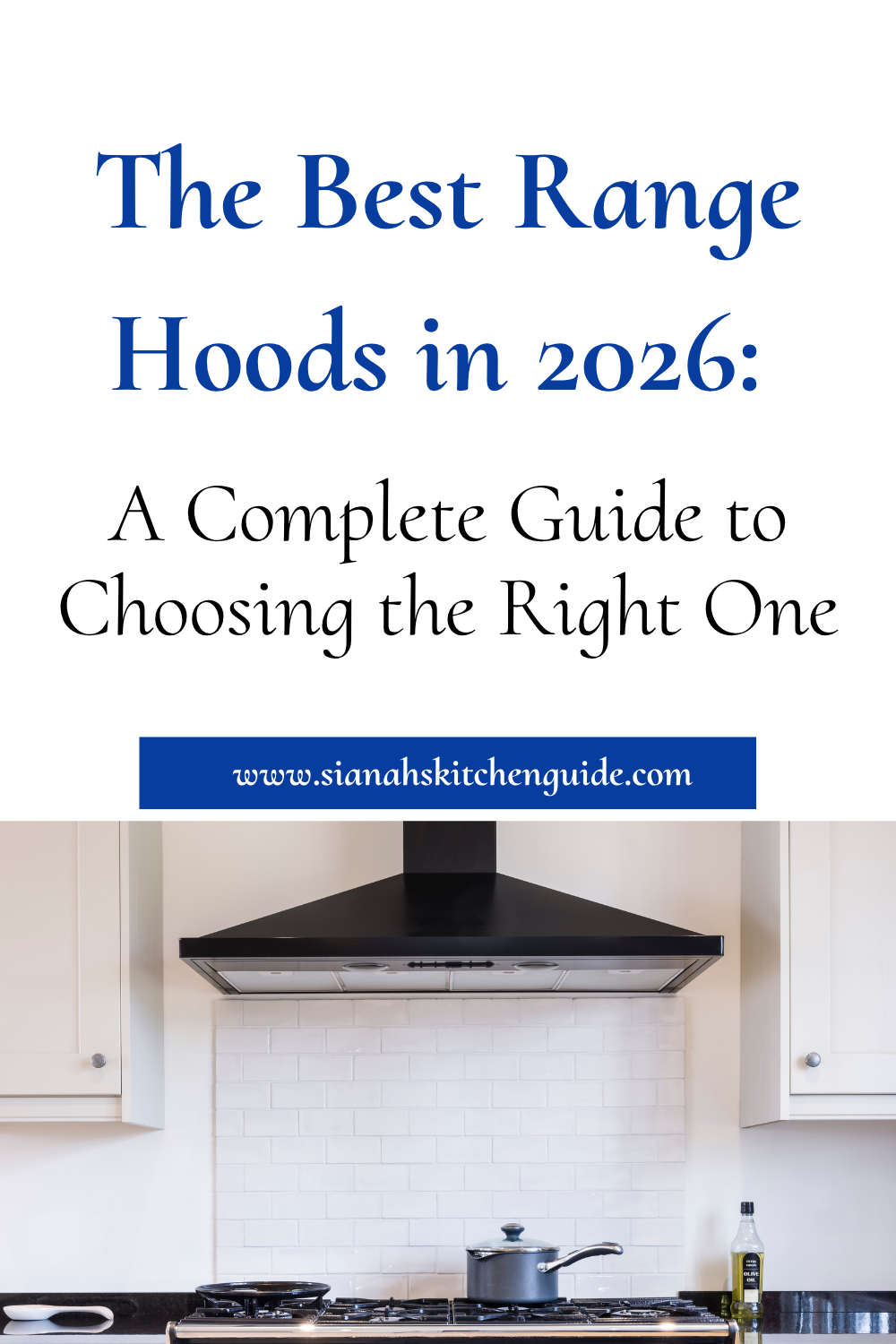
The Best Range Hoods in 2026: A Complete Guide to Choosing the Right One

4.3K

You can spend three weeks choosing the perfect stove and about seven minutes choosing the thing sitting directly above it.

That is usually how it happens.

You fall in love with the range first. Maybe it’s a gorgeous 36-inch gas range. Maybe you’ve gone modern with induction. Maybe you’re building the kitchen you’ve wanted for years, and suddenly every appliance has to look like it belongs in a magazine.

Then someone asks:

“So, what range hood are you getting?”

And you think:

“Uh… the thing that goes over the stove?”

Welcome to range hood shopping.

It looks simple until you start comparing CFM, duct sizes, noise levels, filters, mounting heights, venting options, blower types, widths, depths, and about seventeen different descriptions of “professional” performance.

And then there are the prices.

Some range hoods cost a couple hundred dollars.

Others cost several thousand.

At that point, you start wondering whether the hood removes smoke or also cooks the food for you.

The good news is that choosing the best range hoods for your kitchen doesn’t have to be complicated.

You don’t need the biggest hood.

You don’t automatically need the most expensive hood.

And you definitely don’t need to buy something simply because the box has an enormous CFM number printed on it.

You need a hood that matches your stove, cooking habits, kitchen, and ventilation setup.

That’s what this guide is here to help you figure out.

The Best Range Hoods to Shop First

Table of Contents

If you’re already thinking, “Okay, cute explanation, but show me the hoods,” I hear you.

You do not need to read 4,000 words about ventilation before you can see what you could actually buy.

So let’s start there.

These are the models I’d put on the shortlist for different kinds of kitchens and cooking habits. They aren’t six copies of the same hood with different logos slapped on the front.

The point is to give you options.

Here’s all of them rewritten for a general “best range hoods” roundup:

Broan-NuTone 30” Stainless Steel Under Cabinet Range Hood

This one is great if quiet is your top priority. At 1.5 sones, it’s one of the quietest options out there, and 350 CFM is plenty for everyday cooking. Stainless steel finish, low profile design, easy to clean. It’s a good pick if you’re not doing intense cooking every night and just want something reliable that won’t bother the rest of the house.

Click here to buy the Broan-NuTone Range Hood on Amazon

Vikio 30” Under Cabinet Range Hood, 900 CFM Dual Motor

If you want power without a lot of noise, this one is worth a look. Dual motors give you 900 CFM, but it still runs on a quieter DC motor, so it’s not overwhelming. Gesture and touch controls are a nice touch, and the filters are dishwasher-safe, so it’s a solid balance of strength and convenience.

Click here to buy the Vikio 900 CFM Dual Motor Range Hood on Amazon

We earn a commission if you make a purchase, at no additional cost to you.
09/15/2026 08:54 pm GMT

Vikio 30” Wall Mount Range Hood, 580 CFM

This is a good all-around option if you want flexibility. It’s convertible between ducted and ductless, so it works even if your kitchen doesn’t already have ductwork set up. The 3-speed fan and touch controls keep it simple, and it’s an Amazon’s Choice pick, so plenty of people have vouched for it already.

Click here to buy the Vikio 580 CFM Wall Mount Range Hood on Amazon

We earn a commission if you make a purchase, at no additional cost to you.
09/15/2026 08:55 pm GMT

IKTCH 30” Insert Range Hood, 900 CFM

If you like a clean, built-in look, this range hood disappears right into your cabinetry instead of hanging down. Its 900 CFM with 4 speeds gives you plenty of range, and the gesture and touch controls are genuinely handy when your hands are messy. Over 1,100 ratings at 4.5 stars, so it’s proven itself with a lot of kitchens already.

Click here to buy the IKTCH 900 CFM Insert Range Hood on Amazon

We earn a commission if you make a purchase, at no additional cost to you.
09/15/2026 08:55 pm GMT

Cosmo Vista 30” Wall Mount Range Hood, 380 CFM

This range hood is for anyone who wants something dependable without extra bells and whistles. 380 CFM with 3 speeds covers everyday cooking well; the baffle filters are permanent and dishwasher-safe, and the backdraft damper is a nice detail most people don’t think to look for. It has nearly 2,000 ratings at 4.4 stars.

Click here to buy the Cosmo Vista 380 CFM Range Hood on Amazon

We earn a commission if you make a purchase, at no additional cost to you.
09/15/2026 07:46 pm GMT

FOTILE EMS9026 36” Wall-Mount Range Hood, 1000 CFM

This range hood stands out for how smart it is. The auto turbo mode adjusts the suction on its own depending on how intense your cooking gets, so you’re not stuck manually managing it. The capture shield technology and delay shutoff both help pull more smoke and grease than a standard hood would. It’s a newer release with only 14 ratings so far, but a strong 4.3 stars.

Click here to buy the FOTILE 1000 CFM Range Hood on Amazon

FOTILE EMG9008S-i 36” Wall-Mount Range Hood, 1200 CFM

This range hood leans hardest into convenience. The Mobile control lets you adjust it from your phone, and motion activation means it can respond to your cooking without you touching anything. With 1200 CFM and 4 speeds, it’s got the power to back up all that tech too.

Click here to buy the FOTILE 1200 CFM Range Hood on Amazon

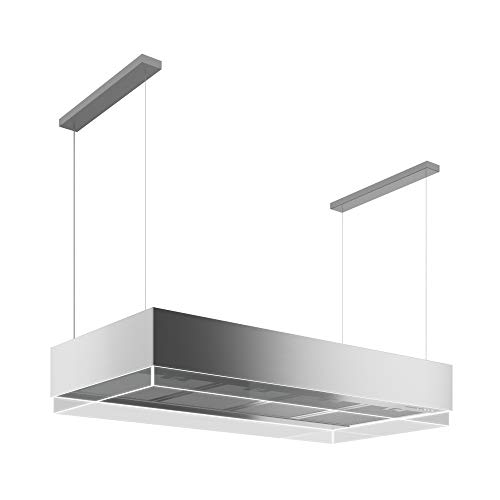
Futuro Futuro 48” Island Mount Range Hood

If you want your range hood to double as a design statement, this is it. Italian-made, 48 inches wide, and built to be the centerpiece of an open kitchen rather than blend in. It’s ductless only, so that’s worth knowing upfront, but it comes with a remote control and stays quiet for its size.

Click here to buy the Futuro Futuro 48” Island Range Hood on Amazon

Futuro Futuro Kelvin Black 30” Range Hood, 940 CFM

This one’s a great pick if you want that same Italian design language but in a smaller, more practical size. Its matte black finish stands out from the usual stainless steel, and the adjustable LED color temperature is a fun detail. At 940 CFM it plenty capable too.

Click here to buy the Futuro Futuro Kelvin Black 30” Range Hood on Amazon

CT Copper Tailor Copper Vent Hood, 54” Island Mount

This range hood is less appliance, more art piece. Handmade from 16-gauge copper with a medium patina finish, no two look exactly alike. Backed by real performance too, with a 1260 CFM fan and the insert included. A standout if you want your kitchen to feel custom-built.

Click here to buy the CT Copper Tailor Copper Vent Hood on Amazon

We earn a commission if you make a purchase, at no additional cost to you.
09/15/2026 08:54 pm GMT

CT Copper Tailor Copper Vent Hood, 60” Wall Mount

It’s the same handcrafted copper build as the island version, just that it’s sized for a wall mount setup. It is 60 inches wide with a 1260 CFM fan, so it’s got the presence and the power to match a large custom range.

Click here to buy the CT Copper Tailor Copper Vent Hood on Amazon

We earn a commission if you make a purchase, at no additional cost to you.
09/15/2026 08:54 pm GMT

Hauslane UC-PS18 30” Under-Cabinet Range Hood

This is a strong pick if you want serious performance without going the insert or island route. Its 6 speed settings give you a ton of control. It is ducted, so it can really move air when you need it to. Its auto shut-off is a nice safety feature, and the filter is dishwasher-safe for easy upkeep.

Click here to buy the Hauslane UC-PS18 Range Hood on Amazon

We earn a commission if you make a purchase, at no additional cost to you.
09/15/2026 07:46 pm GMT

First, What Does a Range Hood Do?

A range hood captures air produced while you’re cooking.

That can include smoke, grease, steam, heat, and cooking odors.

With gas cooking, ventilation has another job because burning gas produces combustion byproducts.

So that stainless-steel box above your stove isn’t just there to make the kitchen look finished.

It has a job.

A pretty important one.

And the better the range hood matches your cooking setup, the more useful that job becomes.

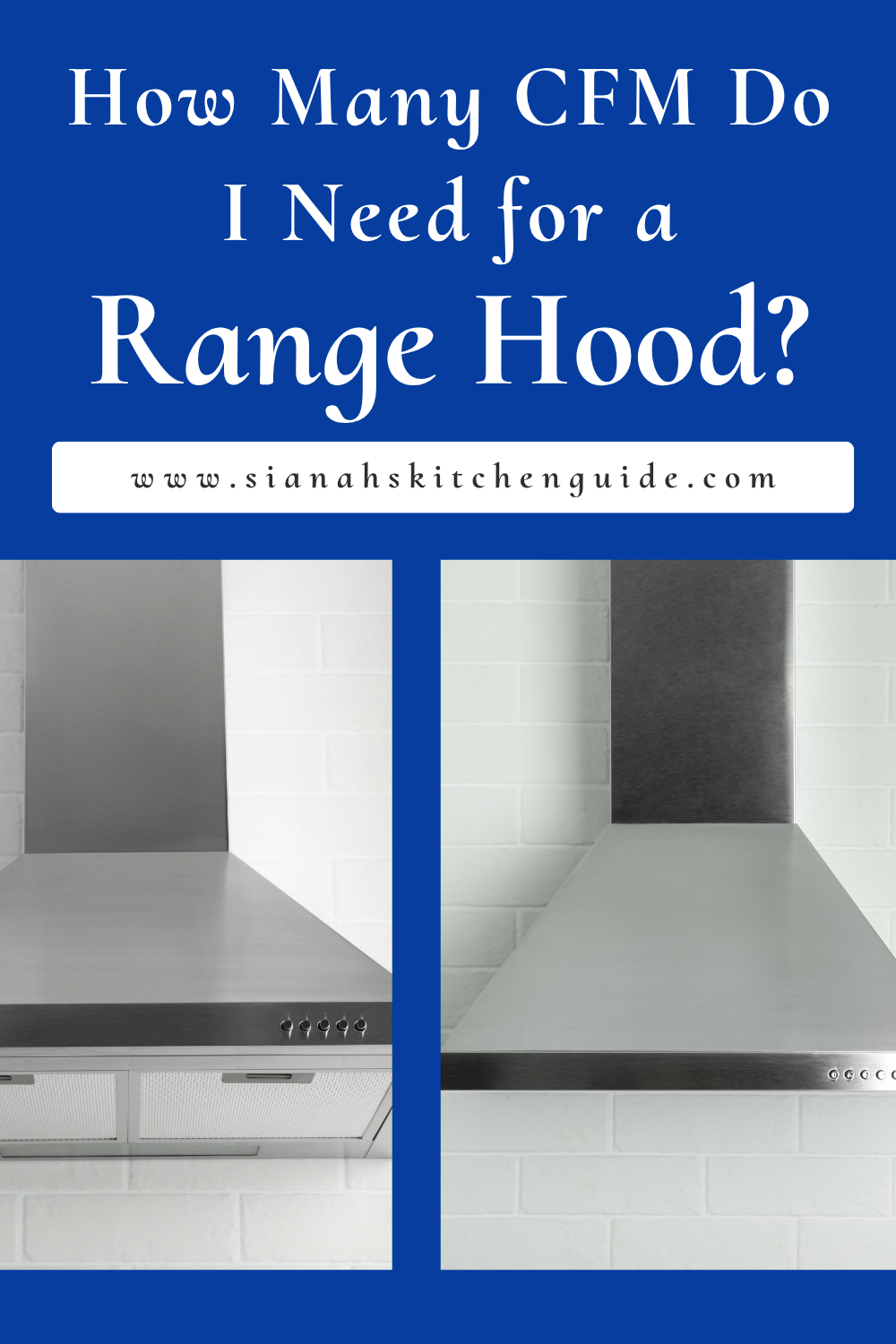
How Much CFM Do You Actually Need?

This is probably the question that causes the most confusion.

CFM means cubic feet per minute.

It describes the amount of air the range hood’s blower is designed to move.

The mistake is assuming that the biggest CFM number automatically equals the best range hood.

It doesn’t.

Your cooking surface matters.

Your cooking style matters.

Gas versus induction matters.

Your ductwork matters.

And the hood’s size and placement matter.

A person who mostly makes pancakes, pasta, roasted vegetables, and the occasional chicken dinner may have very different needs from someone who fries food several times a week.

So don’t shop for CFM like you’re choosing a race car.

Choose it based on the kitchen you’ll use.

If you’re still wondering, How Many CFM Do I Need for a Range Hood?, our detailed CFM guide goes into the numbers, gas BTUs, cooking style, and different cooktop types without making you feel like you’re studying engineering.

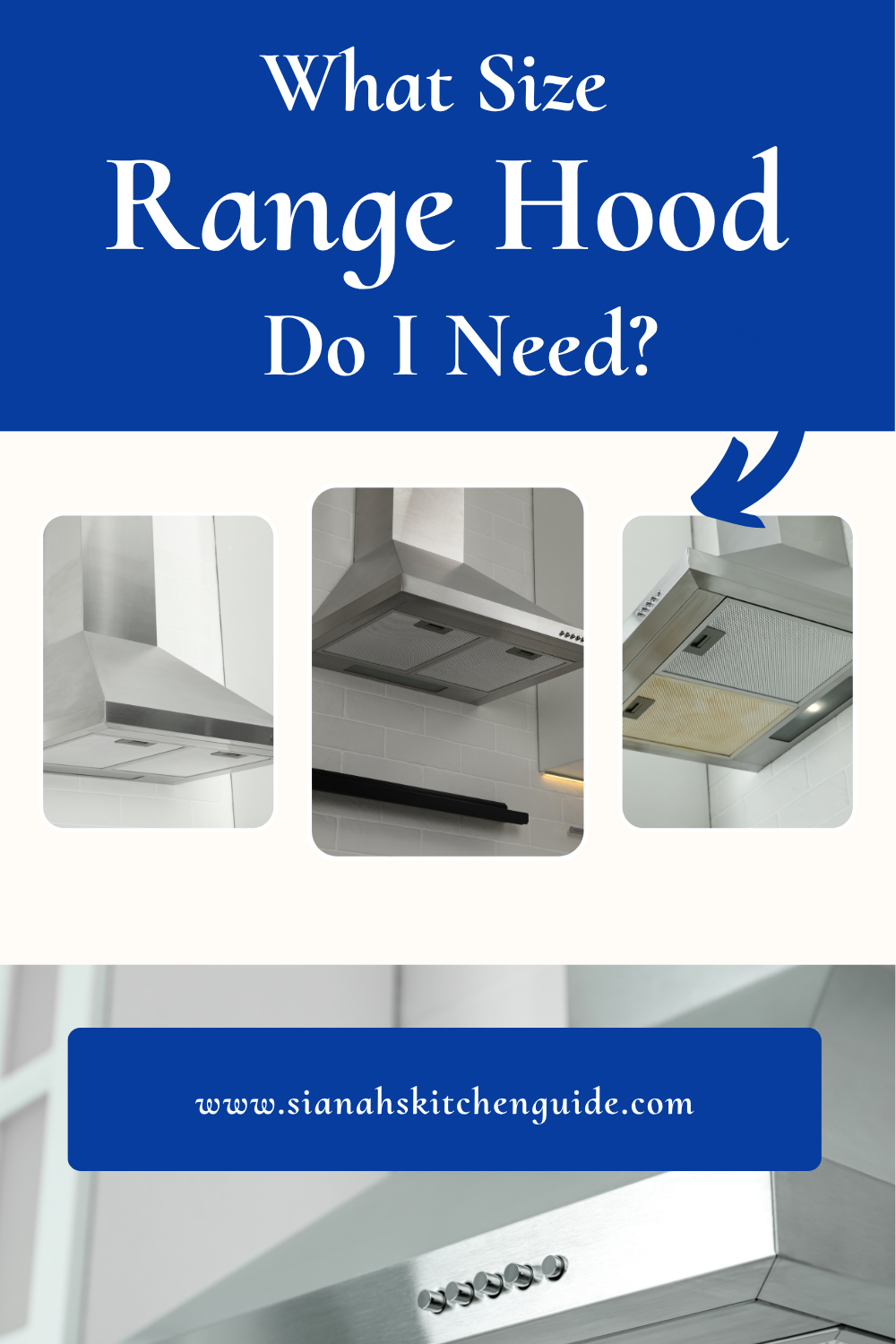
What Size Range Hood Do You Need?

Now we get to the part people usually notice first.

Size.

If your range is 30 inches wide, a 30-inch hood is a natural starting point.

If your range is 36 inches wide, you should look at 36-inch options and potentially wider models depending on the installation.

If you’ve got a 48-inch range, you’re officially entering “let’s think about this properly” territory.

The hood needs enough capture area to deal with what your cooking produces.

That’s why you shouldn’t look at CFM alone.

A powerful blower underneath a tiny canopy isn’t automatically a great setup.

If you’re trying to figure out What Size Range Hood Do I Need, our detailed guide breaks down the sizing question by range width and cooking setup.

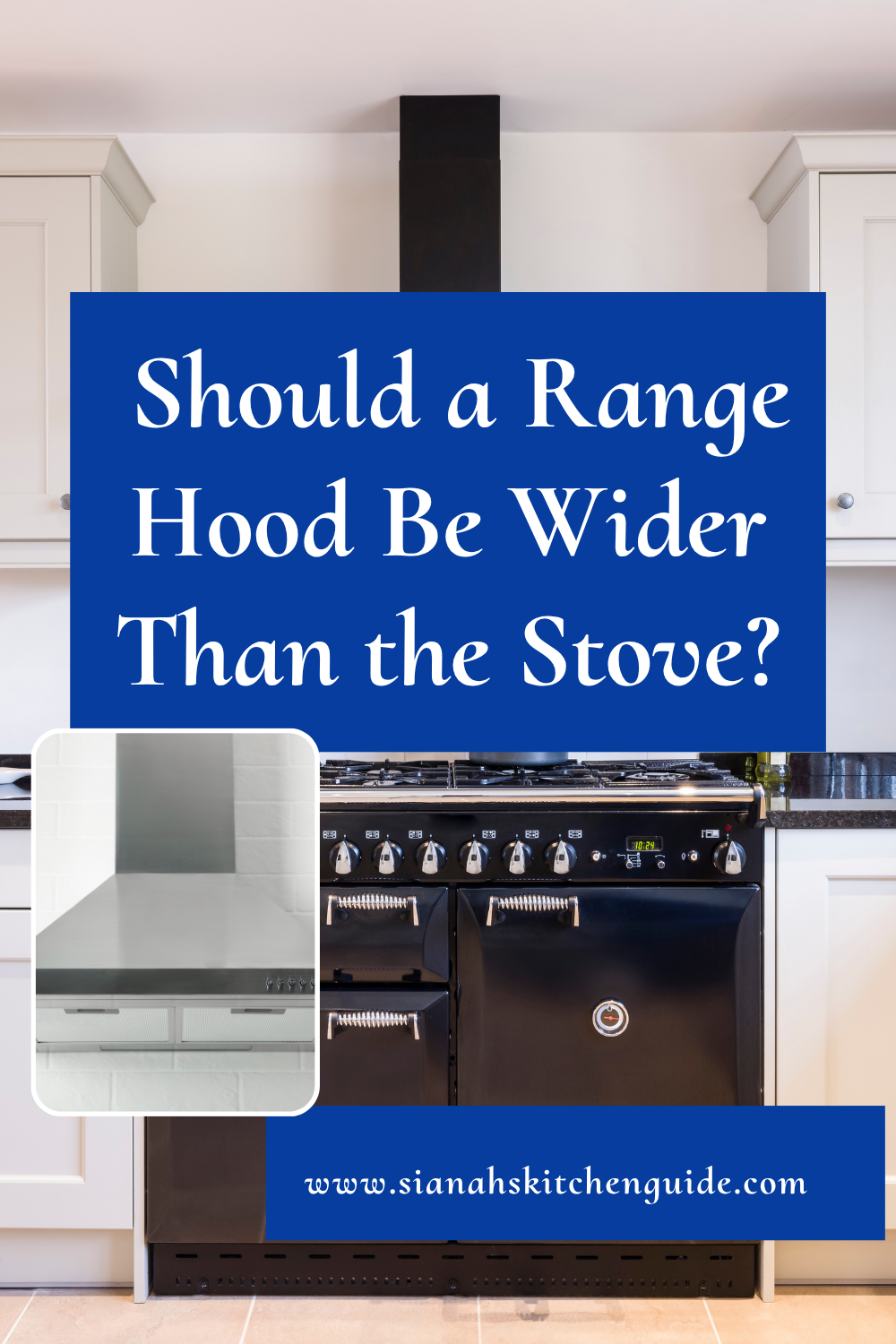
Should a Range Hood Be Wider Than the Stove?

This is one of those questions where the answer is:

It can be a very good idea.

A wider hood can give you more capture area, especially when you’re using a wall-mounted hood and cooking on the outer burners.

Think about what happens when you fry something.

The cooking plume doesn’t rise in a perfectly obedient little column.

It spreads.

A wider hood gives you more room to catch it.

That doesn’t mean every kitchen needs to buy a hood dramatically wider than the range.

The hood manufacturer’s specifications, kitchen layout, cooking style, and installation all matter.

If you’re deciding between same-width and wider options, read Should a Range Hood Be Wider Than the Stove? 

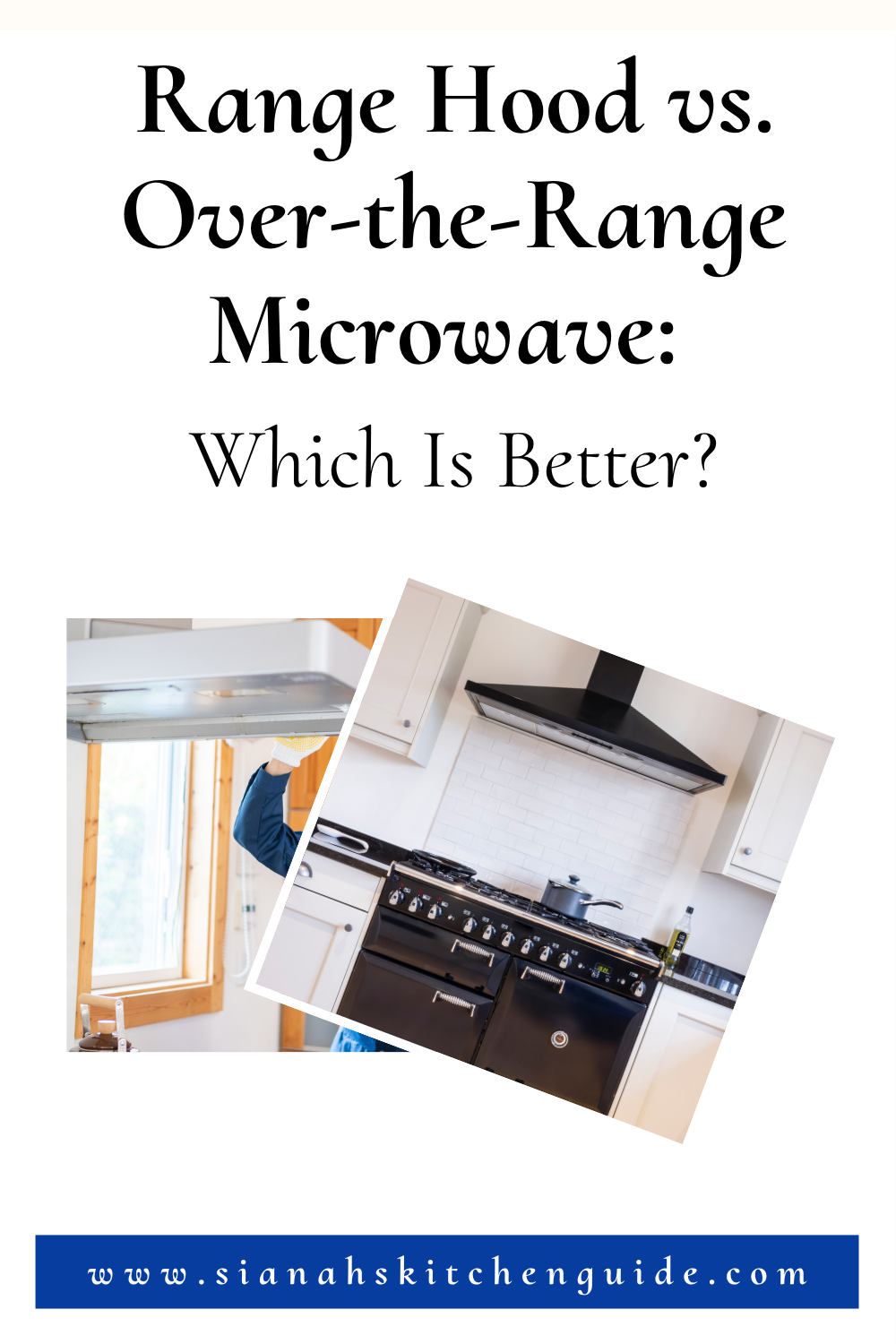
Range Hood vs. Over-the-Range Microwave

This is where kitchen design gets personal.

You have limited wall space.

You need a microwave.

You need ventilation.

So why not put them together?

An over-the-range microwave is convenient.

It gives you two appliances in one space.

But if cooking performance is your priority, a dedicated range hood has an advantage because its entire purpose is ventilation.

That matters if you’re regularly frying, searing, sautéing, or doing other cooking that creates a lot of smoke and grease.

A microwave can be a perfectly reasonable choice for a lighter-cooking kitchen.

But if you’ve spent money on a beautiful range because you love cooking, I would think twice before sacrificing dedicated ventilation simply to find a home for the microwave.

That’s why when people ask, range hood vs. over-the-range microwave, they should know that it isn’t really about which appliance is “better.”

It’s about what you need the space above your stove to accomplish.

For the full comparison, read Range Hood vs. Over-the-Range Microwave: Which Is Better?

Do Recirculating Range Hoods Actually Work?

Yes.

But let’s keep our expectations realistic.

A recirculating hood pulls cooking air through filters and sends the filtered air back into the kitchen.

It can help with grease and some odors.

What it doesn’t do is physically send that cooking air outside.

That’s the big difference.

If exterior venting is possible, a properly installed vented hood is generally the better choice for removing cooking air from the home.

But sometimes you simply cannot run ductwork outside.

In that situation, a good recirculating hood is better than pretending your cooking fumes don’t exist.

If you’re choosing between the two, read Do Recirculating Range Hoods Actually Work?

Why Is My Range Hood So Loud?

Because range hoods have fans.

And fans make noise.

But there’s more to it than that.

A high-CFM blower can be louder.

Poor ductwork can make noise.

Restrictive ductwork can make noise.

Vibrations can make noise.

And running a hood at maximum speed when you only need low speed can make your kitchen sound like an airport runway for absolutely no reason.

This is very important in an open-concept kitchen.

You don’t want to choose a hood that makes your family stop talking every time you turn it on.

If noise is already driving you crazy, read Why Is My Range Hood So Loud? 

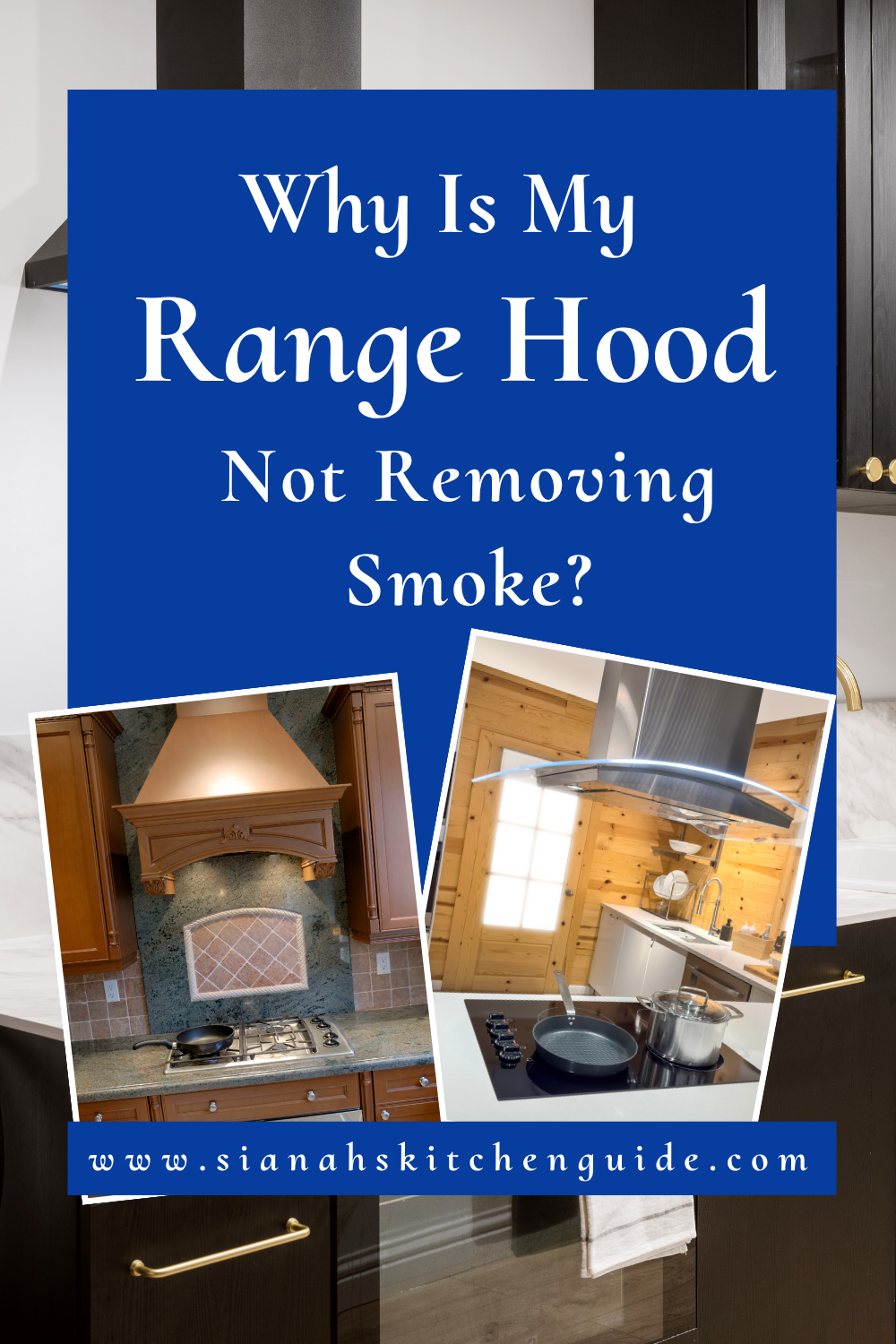
Why Is My Range Hood Not Removing Smoke?

This is where people often assume they bought the wrong hood.

Not necessarily.

Your hood may be struggling because:

The filter is dirty.

The duct is restricted.

The duct is too small.

The hood isn’t wide enough.

The hood isn’t mounted correctly.

The hood isn’t capturing the front burners well.

Or you’re simply creating more smoke than the ventilation system was designed to handle.

And yes, sometimes the hood itself is underpowered.

But don’t replace it until you’ve checked the rest of the system.

If you’re staring at a smoky kitchen thinking, “What exactly am I paying this thing for?” read Why Is My Range Hood Not Removing Smoke?

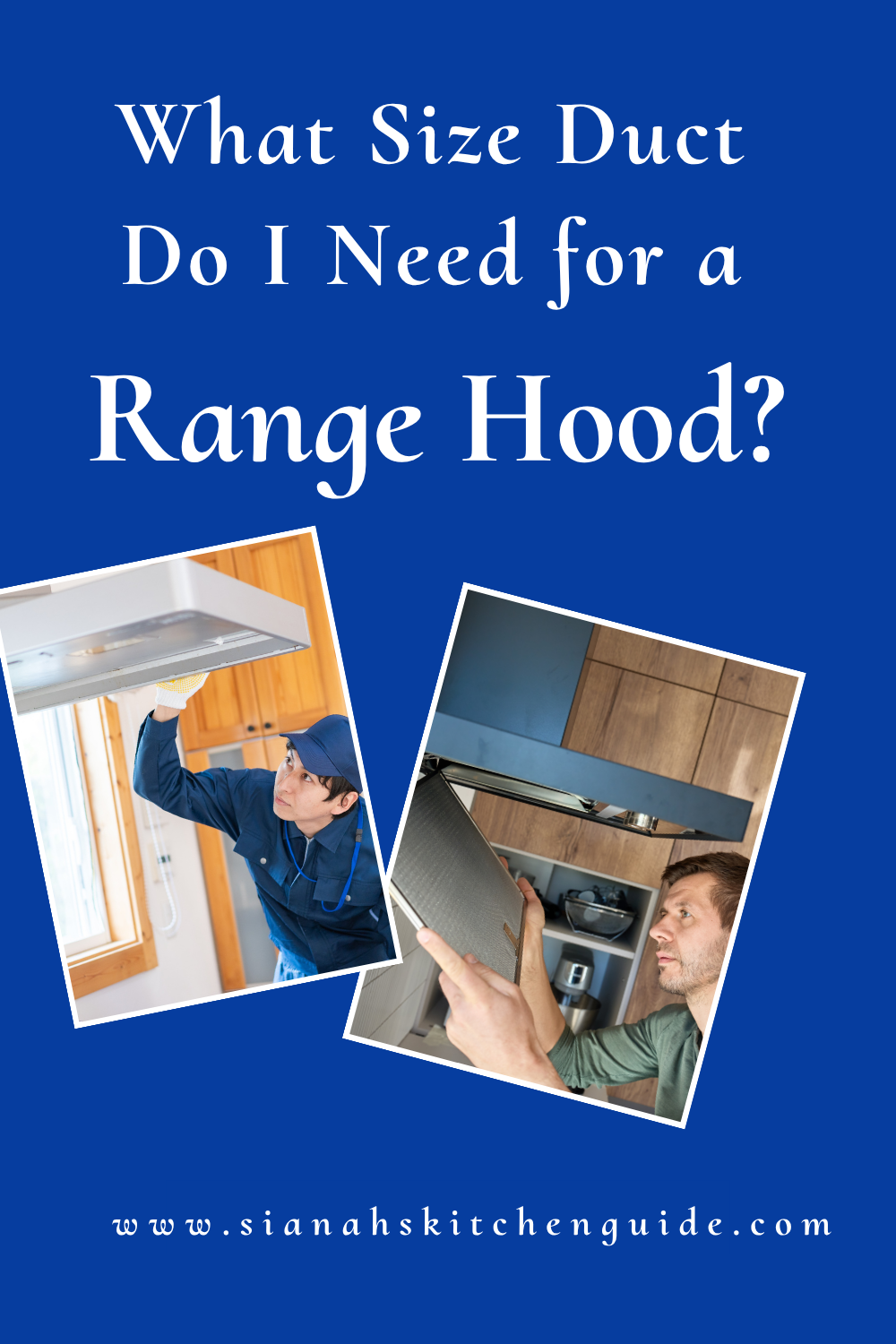
What Size Duct Do You Need?

This is one of those wonderfully boring details that can make or break your expensive appliance.

Your hood has a recommended duct size.

Use it.

Do not buy a 1,000-CFM hood and then connect it to whatever tiny duct happens to be sitting in the wall because “it’ll probably be fine.”

Airflow doesn’t work that way.

The duct needs to support the hood.

Long runs and multiple bends can also increase resistance.

That’s why you need to ask before you buy the hood, what size duct do I need for a range hood? You shouldn’t ask after your contractor is standing in the kitchen holding a tape measure and looking annoyed.

For the detailed explanation, read What Size Duct Do I Need for a Range Hood? 

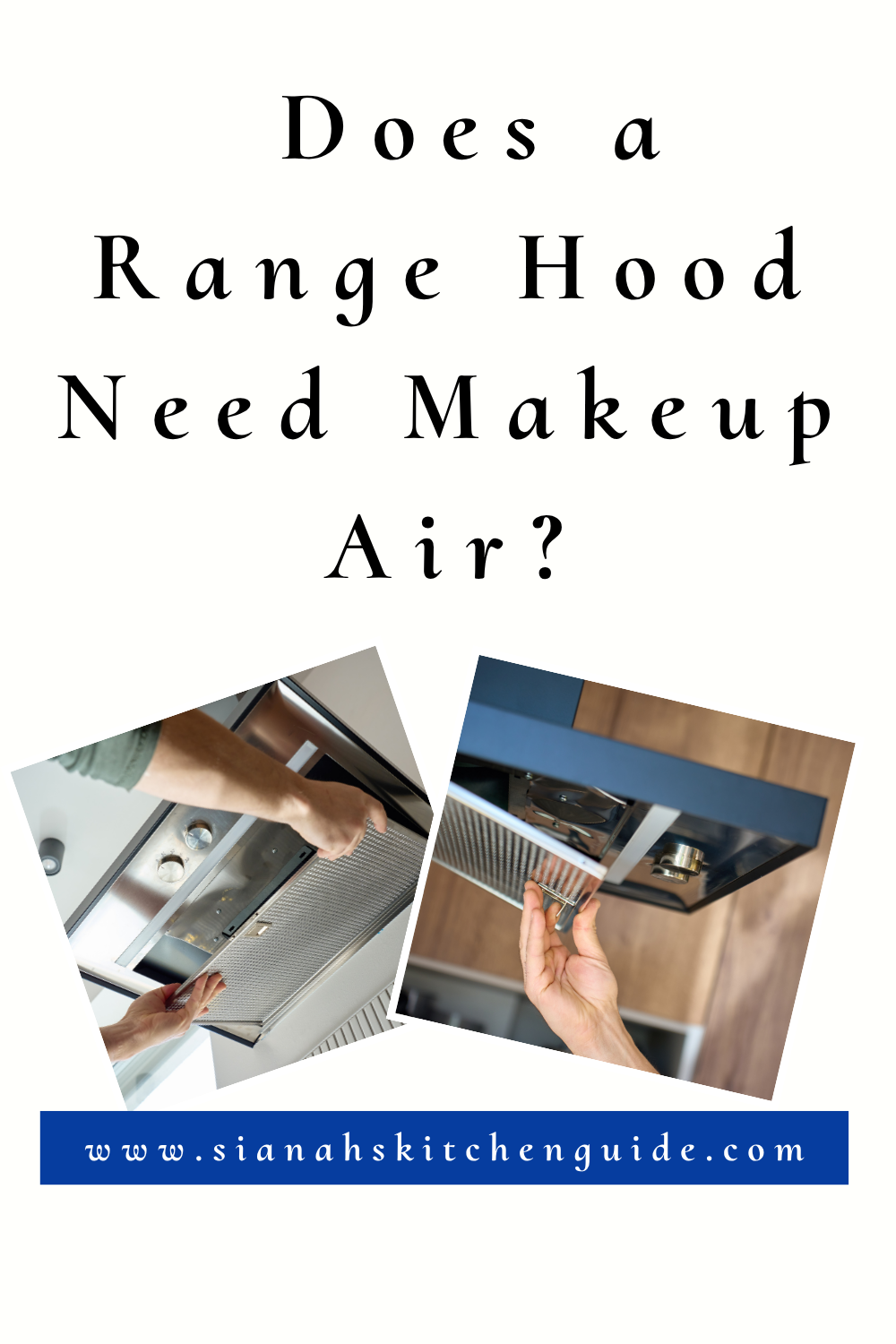
Does a Range Hood Need Makeup Air?

The basic idea is that your hood removes air while makeup air replaces it.

Whether your particular kitchen requires a makeup-air system depends on factors including exhaust capacity, home design, fuel-burning appliances, and local building requirements.

This becomes important as you move into high-CFM ventilation.

So if you’re considering a very powerful hood, don’t wait until installation day to ask whether your home needs makeup air.

That’s the kind of question that is much cheaper to answer before the drywall comes down.

For the complete explanation, read Does a Range Hood Need Makeup Air? 

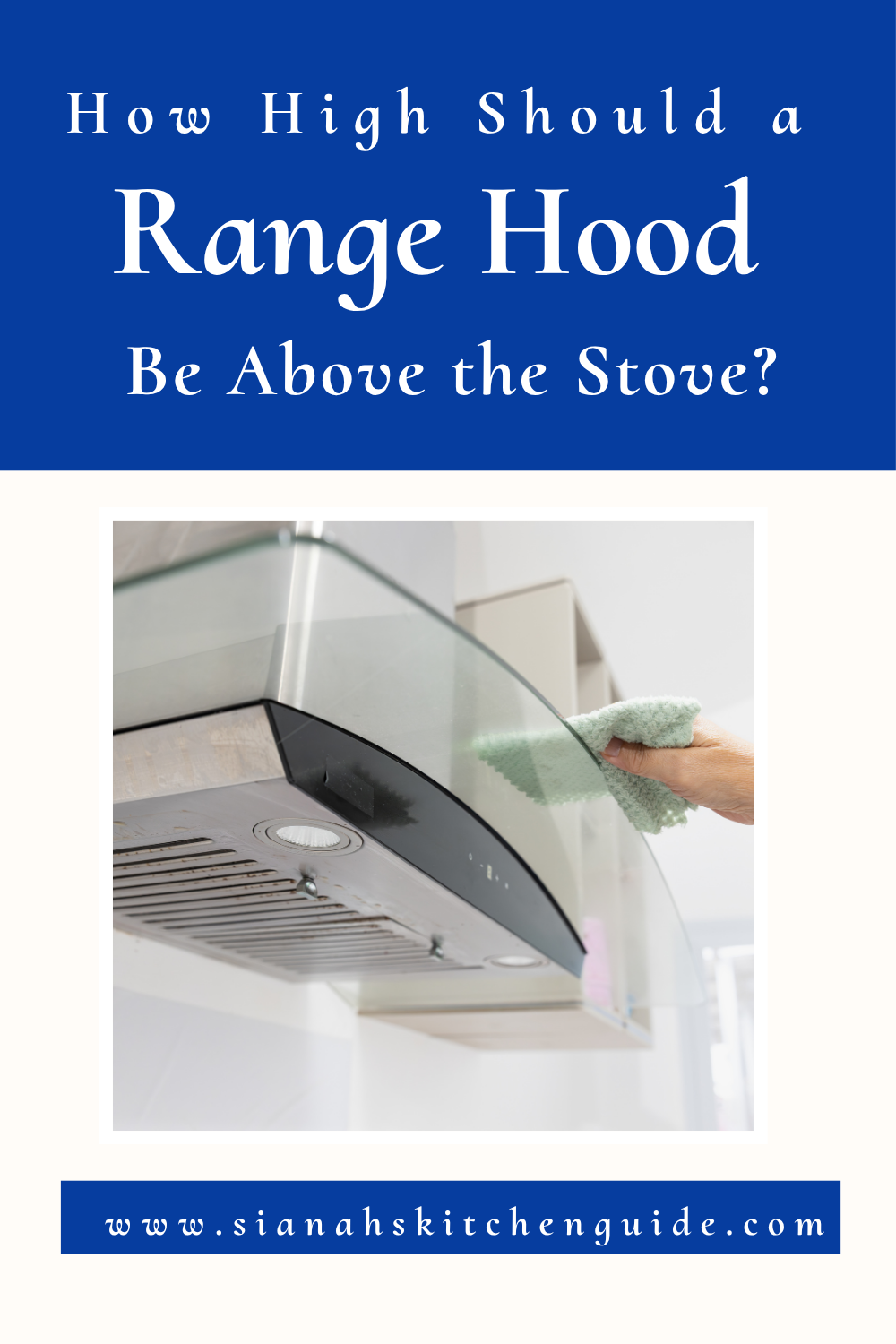
How High Should a Range Hood Be Above the Stove?

This is one place where “I think that looks about right” isn’t a great installation strategy.

The correct height depends on the hood, cooking appliance, manufacturer instructions, and applicable requirements.

Too high and the hood may have a harder time capturing the cooking plume.

Too low and you may run into clearance issues.

And gas cooking deserves particular attention.

So before you mount the hood based on whatever height looks nicest in the kitchen photo, check the installation instructions.

Our guide How High Should a Range Hood Be Above the Stove? 

 goes deeper into the placement question.

The Best Range Hood for a Gas Stove

Gas cooking can create serious ventilation demands, particularly when you have high-output burners and regularly cook at high temperatures.

That’s why choosing the best range hood for gas stove cooking isn’t simply about buying the hood with the biggest number on the box.

Look at:

CFM.

Range width.

Burner output.

Cooking style.

Hood coverage.

Duct size.

Noise.

And installation.

If you frequently cook over high heat, sear meat, fry, or use multiple burners at once, ventilation deserves more attention.

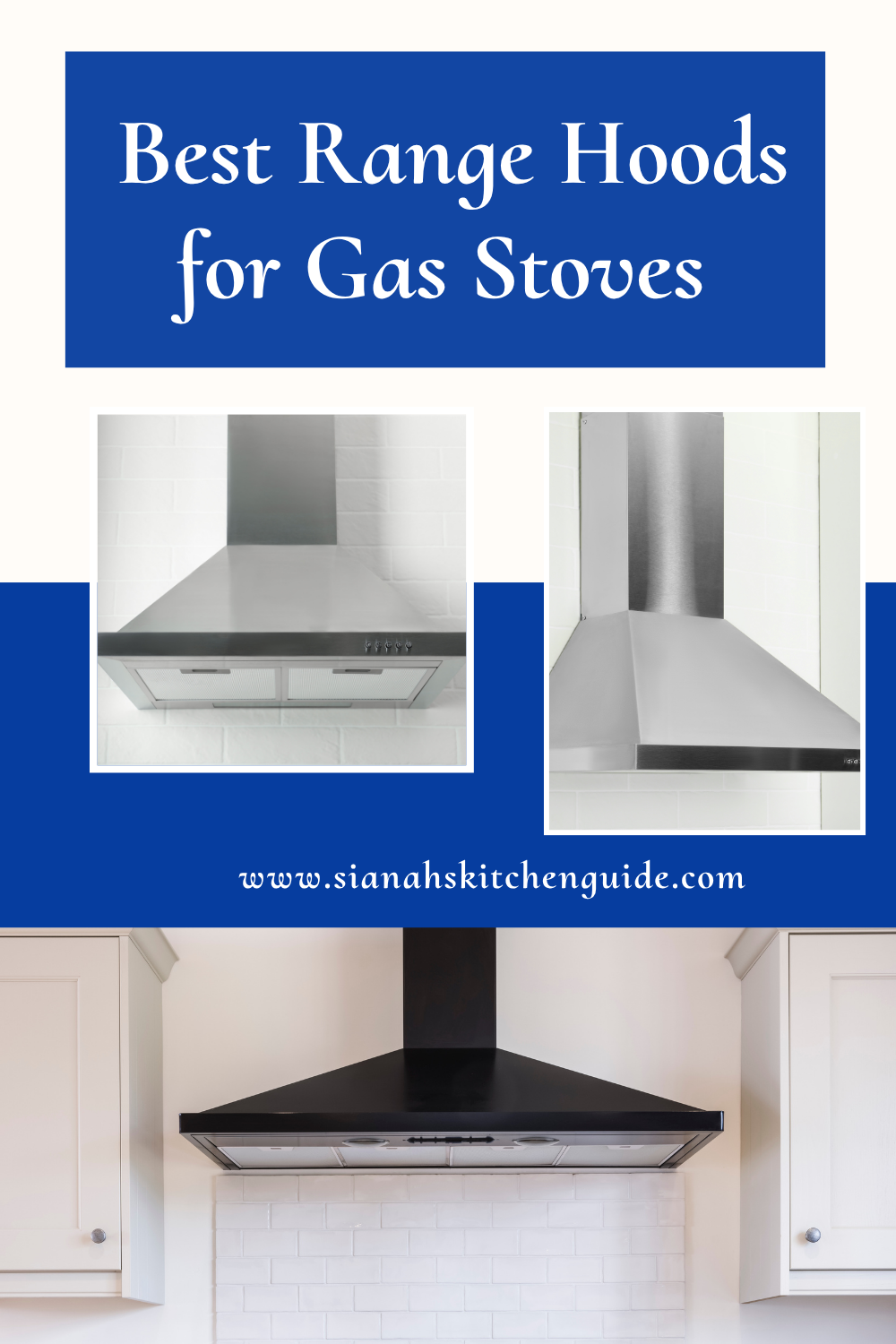
That’s exactly what we cover in Best Range Hoods for Gas Stoves.

The Best Range Hood for an Induction Cooktop

Induction cooking doesn’t create combustion gases like gas cooking does.

But let’s not make the mistake of thinking that means you can forget ventilation.

Your steak can still smoke.

Your bacon can still splatter.

Your stir-fry can still create a cloud.

Your pasta can still produce steam.

So the best range hood for induction cooktop cooking is still one that captures smoke, grease, steam, and odors effectively.

Your cooking style matters more than the fact that the cooktop uses induction.

For the complete breakdown, read Best Range Hoods for Induction Cooktops.

The Best Quiet Range Hood for an Open Kitchen

If your kitchen is closed off from the rest of the house, a noisy hood may annoy you.

If your kitchen opens directly into the living room?

Now everyone gets to hear it.

A quiet hood becomes much more valuable.

When shopping for the best quiet range hood, don’t look only at the maximum CFM.

Look at the noise ratings.

Look at how the hood performs at lower speeds.

Look at the ductwork.

And think about where the motor is located.

A beautifully quiet hood with terrible ductwork can still become noisy once it’s installed.

For recommendations and the full discussion, see Best Quiet Range Hoods for Open-Concept Kitchens.

Are Expensive Range Hoods Worth It?

Sometimes.

But not because expensive automatically means better.

You’re paying more for a premium hood when you get things such as better construction, stronger performance, quieter operation, better controls, more sophisticated blower options, larger capture areas, or a design that works beautifully with a high-end kitchen.

That’s valuable if you actually need it.

If you have a modest cooktop and mostly make simple meals, spending thousands on a range hood may not dramatically improve your life.

If you have a huge range hood and cook like you’re running a small restaurant every Saturday, the calculation changes.

That’s why when you ask the question, are expensive range hoods worth it, it is a very valid question that needs a response. 

Read the full comparison in Are Expensive Range Hoods Worth It? 

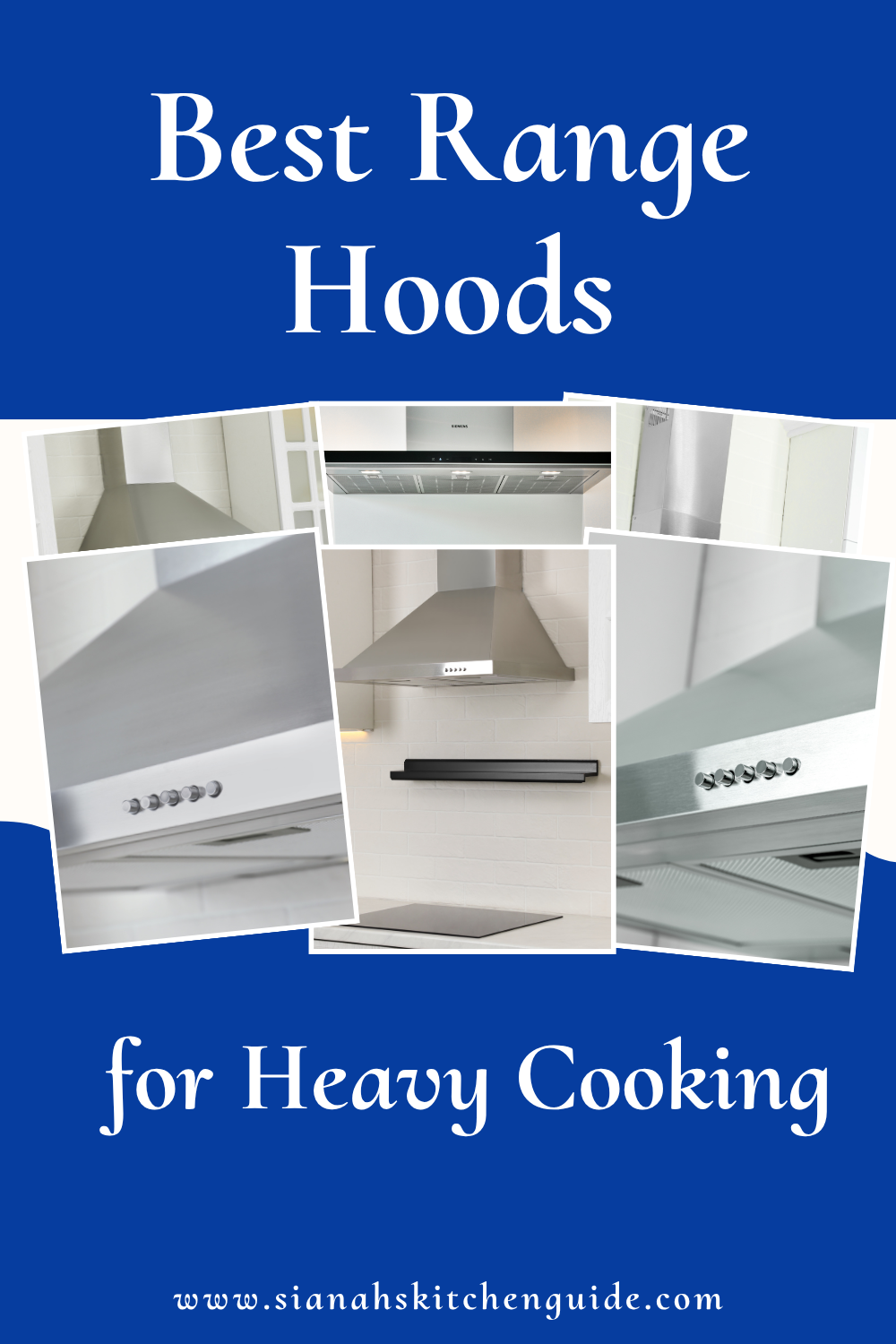
The Best Range Hood for Heavy Cooking

If you’re a serious cook, your range hood should know it.

Heavy cooking can mean frequent frying, searing, wok cooking, high-heat cooking, multiple burners running at once, or simply making meals that create a lot of smoke and grease.

The best range hood for heavy cooking needs more than an impressive CFM number.

It needs an adequate capture area.

It needs appropriate ductwork and a filter that can handle grease.

And it needs enough power for the cooking you’re actually doing.

This is where I would rather see you spend your money on the ventilation system than on a fancy touchscreen you never use.

For the full recommendations, read Best Range Hoods for Heavy Cooking

Don’t Forget the Installation

Here’s the thing I really want you to remember.

You can buy an excellent range hood and still end up disappointed.

Why?

Because the hood doesn’t work by itself.

The hood, duct, installation height, capture area, blower, and makeup-air situation all work together.

A powerful hood connected to poor ductwork isn’t going to suddenly become efficient because you paid more for the motor.

That’s why the questions we’ve covered in this guide aren’t random.

They’re connected.

CFM affects ducting.

Ducting affects performance.

Performance affects noise.

Hood size affects capture.

Mounting height affects capture.

Cooking style affects the CFM you need.

And high airflow can bring makeup-air considerations into the conversation.

Suddenly that stainless-steel box isn’t looking so simple anymore.

But now you understand it.

A Simple Way to Choose Your Range Hood

If you want to make this easy, start here.

If you cook lightly

Look for a straightforward hood with appropriate CFM, good filtration, easy cleaning, and a size that properly covers your cooking surface.

You probably don’t need a monster blower.

If you cook frequently

Move up to a better-built range hood with stronger airflow and good capture.

If you have a gas range

Pay closer attention to the CFM, burner output, hood coverage, ducting, and installation.

The best range hood for a gas stove may need substantially more ventilation capacity than a basic electric cooktop.

If you have induction

Focus on what you’re cooking rather than assuming induction automatically means you need less ventilation.

Smoke is still smoke.

Grease is still grease.

If you have an open-concept kitchen

Noise deserves a starring role.

Don’t buy a hood based solely on the maximum CFM. You want ventilation that you will use.

If you can’t vent outside

A recirculating hood can still be useful.

Just understand what it can and cannot remove, and stay on top of filter replacement.

If you cook heavily

Spend more attention on the entire ventilation system, not just the hood.

Join Our Email List

Subscribe to get our latest content by email.

    We won't send you spam. Unsubscribe at any time.

    Frequently Asked Questions About Range Hoods

    What CFM range hood do I need?

    The right range hood CFM depends on your cooktop, cooking style, burner output, and ventilation setup. Light cooking usually needs less airflow than frequent frying, searing, or high-heat cooking. Gas ranges generally require more careful CFM planning than electric or induction cooktops.

    What size range hood do I need?

    Your range hood should generally be at least as wide as your cooking surface, with a wider hood often providing better capture, especially for wall-mounted installations. A 30-inch range typically pairs with a 30-inch hood, while a 36-inch range can use a 36-inch or wider hood depending on the kitchen and installation.

    Should a range hood be wider than the stove?

    It can be. A wider hood gives the cooking plume more room to spread before it escapes the capture area. This can be especially helpful when you regularly use the front or outer burners and cook at higher temperatures.

    Is a range hood better than an over-the-range microwave?

    If ventilation is your priority, a dedicated range hood is generally the better choice. An over-the-range microwave combines two appliances in one space, but a dedicated hood is designed specifically to capture cooking smoke, grease, steam, and odors.

    Do recirculating range hoods actually work?

    Yes, but they work differently from externally vented hoods. A recirculating hood filters cooking air and sends it back into the kitchen rather than exhausting it outside. It can help with grease and odors, but it doesn’t remove cooking air from the home in the same way an externally vented hood does.

    Why is my range hood so loud?

    A range hood can become noisy because of high airflow, restrictive or undersized ductwork, long duct runs, bends, vibration, or the blower itself. Running a powerful hood at its highest setting can also produce considerably more noise than using a lower setting.

    Why isn’t my range hood removing smoke?

    If your range hood is not removing smoke, check the filter, hood size, mounting height, ductwork, and airflow before assuming the motor is the problem. A dirty filter or restrictive duct can seriously affect performance even when the hood itself is powerful.

    What size duct does a range hood need?

    The duct size depends on the hood manufacturer’s specifications and airflow requirements. Higher-CFM hoods generally need larger ductwork, and using an undersized duct can restrict airflow and increase noise. Always check the hood’s installation requirements before choosing or modifying ductwork.

    Does a range hood need makeup air?

    Not every range hood installation needs a dedicated makeup-air system. The answer depends on factors such as exhaust capacity, the home, other combustion appliances, and local building requirements. High-CFM ventilation is where makeup air becomes particularly important to investigate.

    How high should a range hood be above the stove?

    The correct height depends on the type of hood, cooking appliance, manufacturer’s instructions, and applicable clearance requirements. Installing it too high can reduce capture effectiveness, while installing it too low can create clearance and safety concerns.

    What is the best range hood for a gas stove?

    The best range hood for a gas stove depends on the range’s size, burner output, cooking style, hood coverage, CFM, ductwork, and installation. If you regularly cook over high heat or use multiple burners, look for a hood designed to handle heavier ventilation demands.

    Do induction cooktops need a range hood?

    Yes, an induction cooktop can still benefit significantly from a range hood. Induction doesn’t produce combustion gases like gas cooking, but cooking can still create smoke, grease, steam, heat, and odors.

    What is the best range hood for an open-concept kitchen?

    The best quiet range hood for an open-concept kitchen is one that provides adequate ventilation without creating excessive noise. Look beyond maximum CFM and consider noise ratings, lower-speed performance, blower design, and ductwork.

    Are expensive range hoods worth it?

    They can be, particularly if you cook heavily or have a large, high-output range. Premium hoods may offer better construction, stronger ventilation, quieter operation, larger capture areas, and more sophisticated controls. For lighter cooking, a less expensive hood may do the job just as well.

    What is the best range hood for heavy cooking?

    The best range hood for heavy cooking should provide enough airflow and capture area for the type of cooking you do. Frequent frying, searing, wok cooking, and high-heat cooking can justify a more powerful hood, but the ductwork and installation need to support that airflow too.

    Conclusion 

    The right range hood isn’t the one with the biggest motor.

    It isn’t automatically the most expensive one.

    And it isn’t necessarily the one that looks prettiest in the kitchen showroom.

    It’s the one that fits the way you cook.

    If you fry often, you need capture and airflow that can keep up.

    If you have gas, you need to think about ventilation more carefully.

    If you have induction, you still need to deal with smoke, grease, steam, and odors.

    If your kitchen is open to the living room, noise matters.

    If you can’t vent outside, a recirculating hood may be the practical answer.

    And if you’re buying something with very high CFM, you need to think about the ductwork and makeup air before you fall in love with the shiny stainless-steel box.

    That’s really the secret to finding the best range hoods.

    Stop shopping for the hood in isolation.

    Shop for the whole kitchen.

    Once you know your cooking style, stove size, CFM needs, duct situation, mounting requirements, and budget, the overwhelming wall of stainless steel starts looking a lot less intimidating.

    And thankfully, you can stop wondering whether the $2,000 hood also makes dinner.

    It doesn’t.

    But the right one can make the kitchen a much nicer place to cook in.


    Read More Range Hood Posts Here!

    Leave a Reply

    Your email address will not be published. Required fields are marked *

    Like
    Close
    Sianah’s Kitchen Guide © Copyright 2026. All rights reserved.
    Close