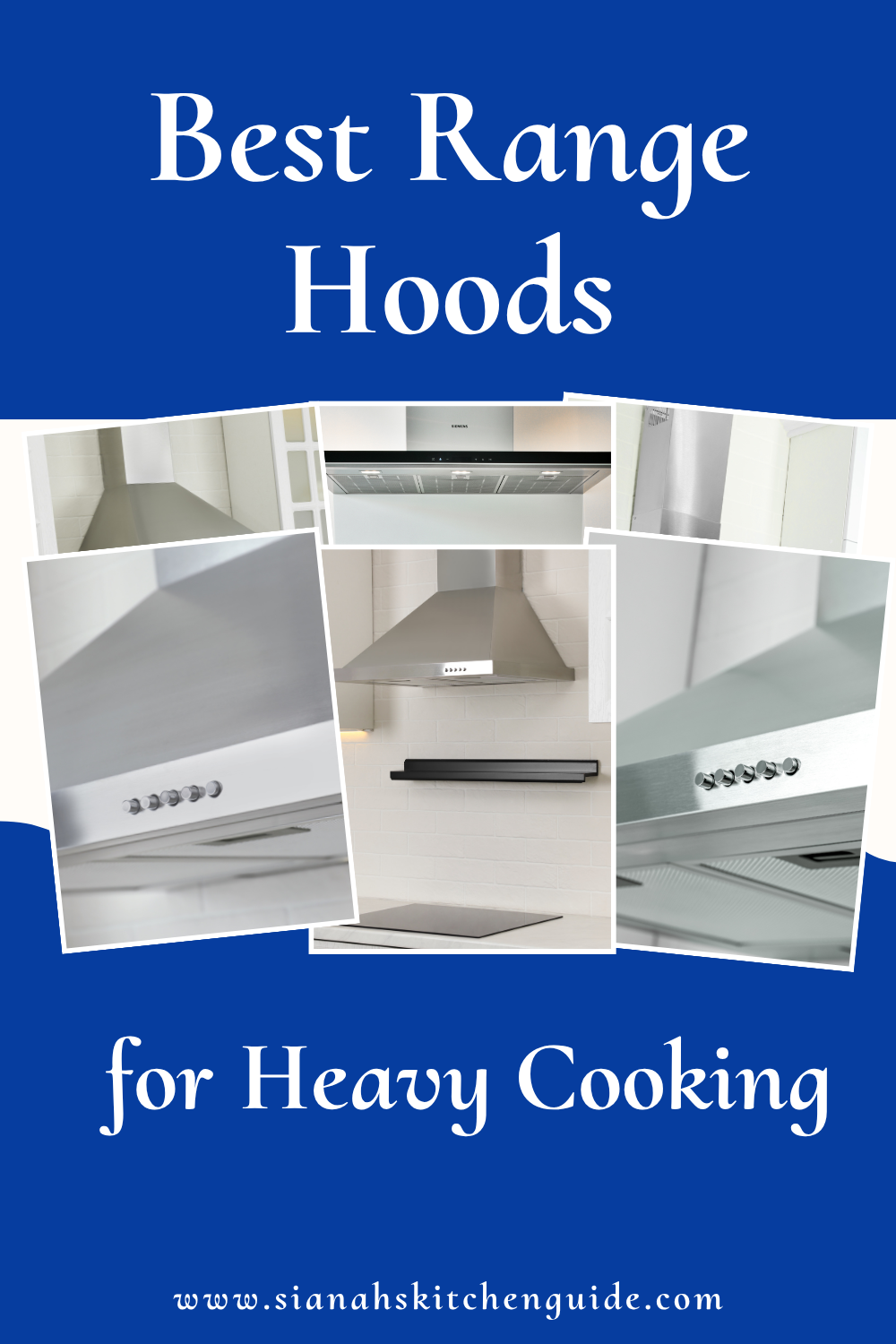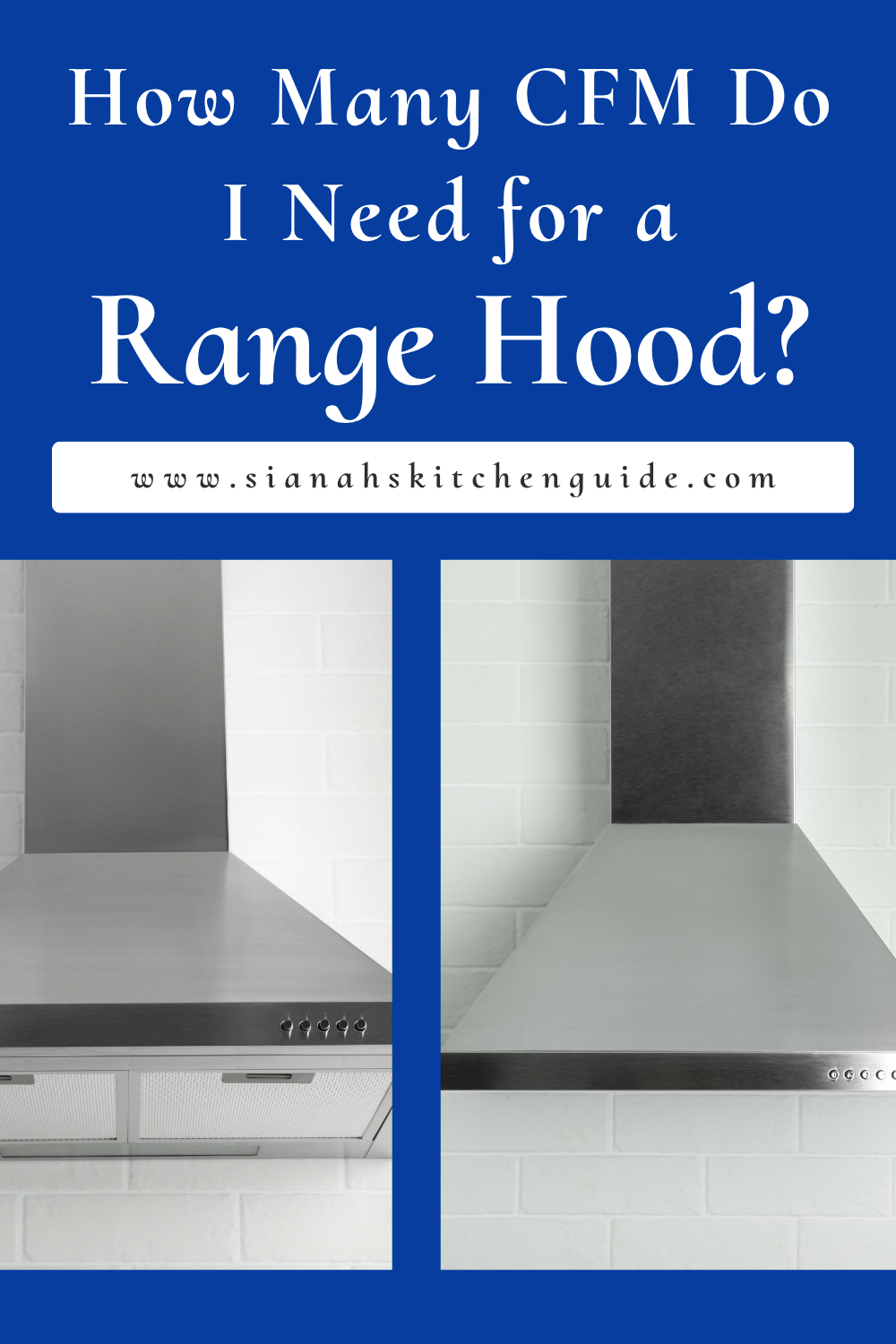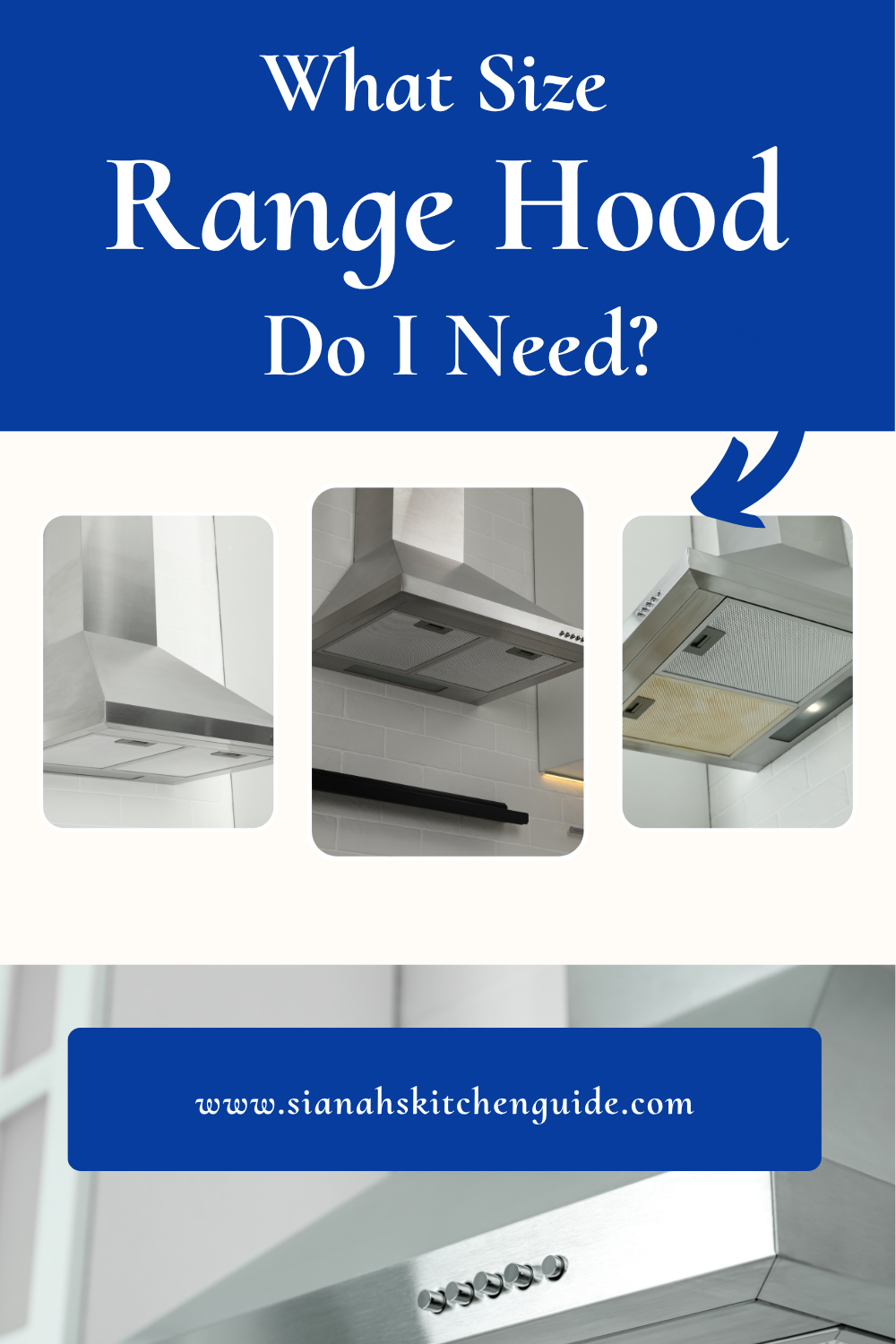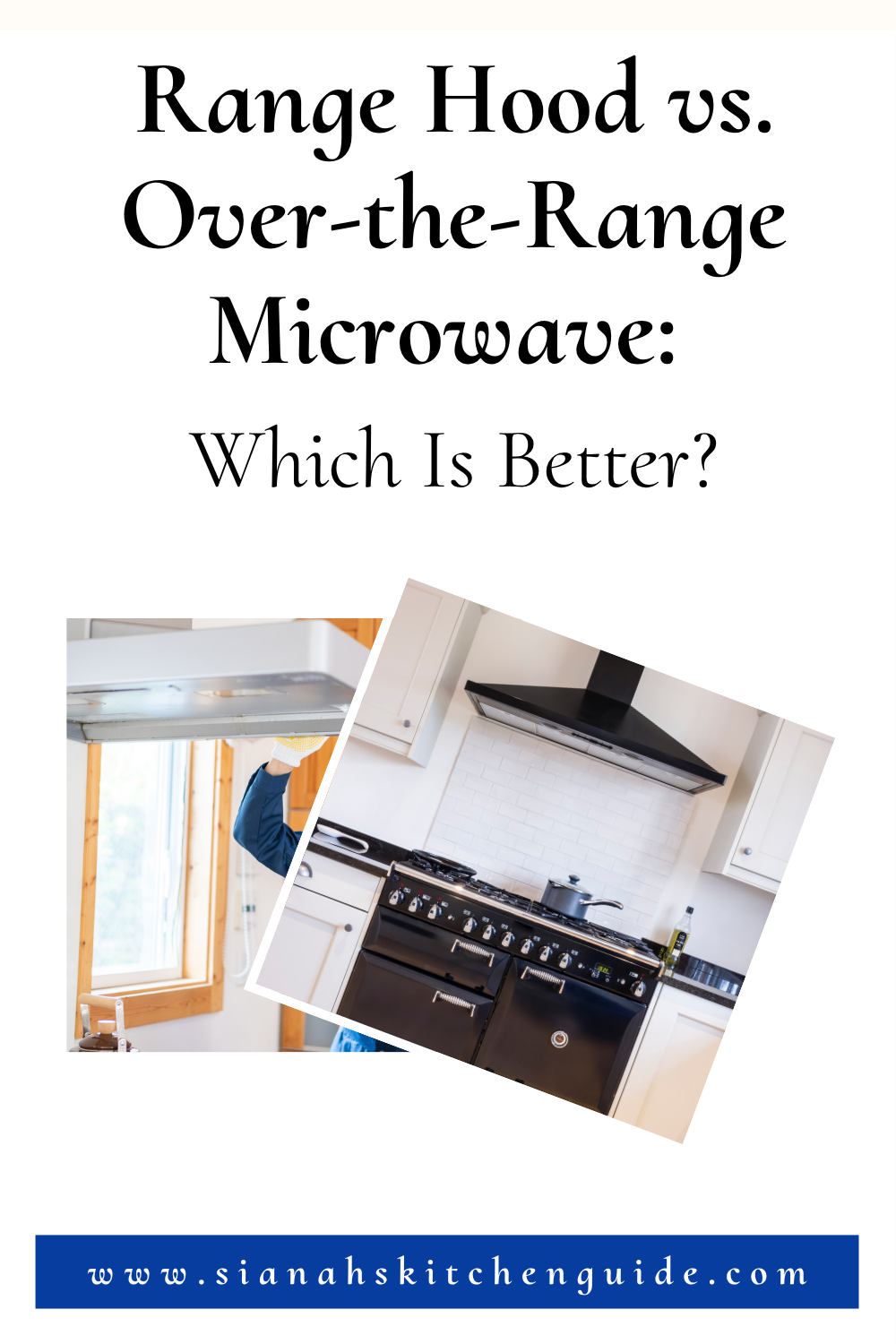
You would think choosing the best range hood for induction cooktops would be easy.
After all, you already made the modern choice.
No flames dancing around your pans.
No burner grates to lift when you’re cleaning.
Just that beautiful, flat cooking surface sitting there looking like it belongs in a kitchen showroom.
Then you cook bacon.
And suddenly you’re looking at that beautiful kitchen thinking, “Okay…where is all this smoke supposed to go?”
That’s when you realize something important.
Induction may change how your cooktop creates heat, but it doesn’t stop your food from creating smoke, grease, steam, and odors.
So yes, you still need to think about ventilation.
The good news is that you don’t necessarily need the same kind of ventilation you would choose for a powerful gas range.
Does an Induction Cooktop Need a Range Hood?
Table of Contents
ToggleLet’s clear up the biggest question first.
Do you need a range hood with an induction cooktop?
Not necessarily because the cooktop is induction.
Induction cooking doesn’t burn gas, so you don’t have the same combustion-related emissions you get from a gas burner.
But your cooking still produces things you probably don’t want floating around your kitchen.
Steam.
Grease.
Smoke.
Odors.
And occasionally the unmistakable smell of something you’ve forgotten on the stove for just a little too long.
A ventilation system helps remove those cooking byproducts from the air. GE explains that ventilation can remove heat, steam, smoke, and odors produced during cooking.
So there’s an important difference between needing a hood because of a specific requirement and wanting one because you cook.
If you’re boiling water once a week, your needs may be modest.
If you’re frying chicken, searing steaks and making garlic-heavy dinners every other night, you’ll be much happier with proper ventilation.
Induction Doesn’t Mean Smoke-Free Cooking
This is where the whole “induction doesn’t need a hood” idea falls apart.
Your cooktop isn’t producing the smoke.
Your dinner is.
Burning butter doesn’t care whether the pan is sitting over gas or induction.
Neither does bacon.
Neither does cooking oil.
Neither does that one piece of chicken that somehow goes from beautifully golden to suspiciously black in about 30 seconds.
The heat source changes.
The cooking process doesn’t suddenly become emission-free.
That’s why an induction cooktop range hood still makes plenty of sense, especially if you cook frequently.
What Makes a Good Range Hood for Induction?
The good news is that shopping for an induction hood doesn’t have to feel like you’re studying for an engineering exam.
You mainly want to pay attention to a handful of things:
- CFM
- Hood width
- Hood depth
- Capture area
- Noise
- Filters
- Ducting
- Installation
- Your cooking habits
And no, CFM isn’t automatically the most important thing on that list.
In fact, one of the easiest mistakes is buying the hood with the biggest number and assuming you’ve won the ventilation lottery.
You haven’t.
Your kitchen still has to be able to use that airflow effectively.
How Much CFM Do You Need for an Induction Cooktop?
This is where induction gets a little easier than gas.
Because there is no gas flame producing combustion byproducts, an induction cooktop generally doesn’t need the same ventilation power as a comparable gas range.
But that doesn’t mean you should buy the weakest hood you can find.
The right range hood CFM for induction depends on the size of your cooktop, how you cook, and the design of the hood.
Think about it this way.
Someone who mostly simmers soup and cooks pancakes on Sunday morning isn’t producing the same amount of smoke and grease as someone who deep-fries food every weekend.
Your hood should match your kitchen life.
Not somebody else’s.
A commonly used starting point for gas ventilation is based on burner BTUs, but that calculation doesn’t translate directly to induction because induction doesn’t have gas burners producing combustion gases.
That’s one reason you shouldn’t look at a gas CFM recommendation and automatically apply it to your induction cooktop.
And if you’re dealing with a particularly powerful hood, remember that duct size, length, bends, and installation can affect the performance too.
Is 400 CFM Enough for an Induction Cooktop?
For many residential induction kitchens, 400 CFM can be perfectly reasonable.
But “enough” depends on what you’re doing with the cooktop.
If you’re mostly sautéing vegetables, boiling pasta and making the occasional grilled cheese, 400 CFM may give you plenty of ventilation.
If you’re constantly frying, searing and cooking at high heat, you may appreciate more airflow.
That’s why I wouldn’t make the decision based on CFM alone.
A hood with good capture design and appropriate airflow can outperform a much more powerful hood that is poorly installed.
Basically, don’t let a giant number seduce you.
CFM is important.
It just isn’t magic.
What Size Range Hood Do You Need for an Induction Cooktop?
Start with the width of your cooktop.
A 30-inch induction cooktop generally calls for a hood that’s at least 30 inches wide.
A 36-inch cooktop generally calls for at least a 36-inch hood.
If your kitchen has the space, going wider can give you more capture area.
And honestly, this is one of those situations where having a little extra coverage can be nice.
Especially if you cook on the front burners frequently.
But don’t forget depth.
A hood can be wide enough from side to side and still fail to give you the coverage you need from front to back.
Your hood needs to work over the actual cooking surface.
Not just look appropriately sized from across the kitchen.
Why Hood Depth Matters More Than You Think
Picture your cooktop.
Now picture a large frying pan sitting on the front cooking zone.
Steam and smoke rise.
But they don’t always travel straight upward like they’re following a ruler.
They can drift forward.
They can spread sideways.
They can get caught in the movement of air around your kitchen.
If the hood doesn’t extend far enough over the cooking surface, some of that air can escape the capture area.
That’s why I wouldn’t buy a hood based only on width and CFM.
Look at the actual dimensions.
You want the hood to cover the cooking area properly.
What About a Wider Hood?
Going wider than the cooktop can be useful when your kitchen allows it.
Imagine you have a 30-inch induction cooktop but enough space for a 36-inch hood.
That extra coverage can help capture cooking fumes around the edges.
It’s not an excuse to buy a giant hood just because you can.
But if you’re choosing between two properly compatible options and one gives you more useful capture area without creating installation problems, the wider option can be worth considering.
And yes, your kitchen designer will probably appreciate that you thought about the hood before the cabinets were already installed.
Ducted vs. Recirculating for Induction
Now we get to another big decision.
Should you vent outside or recirculate?
A ducted hood sends cooking air outside.
A recirculating hood pulls air through filters and sends it back into the kitchen.
For induction cooking, you have a little more flexibility because you aren’t dealing with combustion gases from the cooktop.
But ducted ventilation still has an obvious advantage.
You’re removing cooking air from the room.
That’s useful when you’re dealing with strong odors, grease and smoke.
If you’ve ever cooked fish and then spent the next day wondering why your curtains smell like dinner, you already understand the appeal.
Recirculating systems can be useful when outdoor ducting isn’t practical.
But you should understand what you’re getting.
They’re filtering the air.
They’re not magically sending it outside.
Is a Recirculating Hood Good Enough for Induction?
It can be.
Especially for lighter cooking.
If your kitchen doesn’t have a practical duct route, a recirculating hood may be a reasonable solution.
But filter maintenance becomes really important.
The system depends on those filters doing their job.
And charcoal filters used in recirculating systems need to be replaced according to the manufacturer’s recommendations.
Otherwise, your hood can start feeling more like a decorative appliance than a ventilation system.
And nobody needs another expensive kitchen decoration.
You already have enough of those.
Why Noise Matters With Induction
Here’s something I think gets overlooked.
People choose induction because they like the clean, modern kitchen experience.
Then they install a hood that sounds like it’s preparing for takeoff.
Not exactly the peaceful kitchen atmosphere they imagined.
That’s why noise should be part of your buying decision.
Hood manufacturers often use sones to describe sound levels.
The lower the number, generally, the quieter the hood.
You don’t need to memorize the entire sone scale.
Just compare the models you’re considering.
If you have an open-concept kitchen where the kitchen, dining room, and living room are basically one giant room, noise becomes even more important.
You don’t want to hear your hood dominating the conversation every time you fry an egg.
What If You Have an Open-Concept Kitchen?
This is where ventilation becomes even more useful.
In a closed kitchen, a cooking smell has fewer places to go.
In an open-concept kitchen?
That smell has options.
Lots of them.
It can travel into the dining area.
It can wander toward the sofa.
It can settle into curtains.
It can make your entire downstairs smell like whatever you cooked three hours ago.
A good hood helps contain that.
So even if your induction cooktop has relatively modest ventilation requirements, your kitchen layout can make stronger ventilation worthwhile.
What About a Downdraft Vent?
If your induction cooktop sits on an island, you may have already seen downdraft systems.
They can be incredibly appealing because they don’t put a large hood over your head.
Some systems retract into the counter when they’re not being used.
Very sleek, modern, and “I have my life together.”
But there’s a trade-off.
Smoke and steam naturally rise.
An overhead hood is positioned above the cooking surface to capture them as they rise.
A downdraft system has to pull that air downward instead.
That can make capture more challenging, particularly during heavy cooking.
So if you regularly fry, sear, or wok-cook, I would compare the performance carefully rather than choosing downdraft simply because you like the cleaner sightline.
Are Downdraft Hoods Good for Induction?
They can be a good fit for certain kitchens.
They’re attractive when the induction cooktop is installed on an island, and the homeowner wants to keep the kitchen visually open.
But your cooking habits matter.
If you’re a light-to-moderate cook, a well-designed downdraft system may be perfectly practical.
If you’re constantly creating smoke and grease, I would look very carefully at the manufacturer’s capture claims and installation requirements.
Sometimes the prettier solution isn’t the most effective one.
And that’s okay.
Your kitchen doesn’t have to win a design award every Tuesday night.
It just needs to work.
What Kind of Filter Should You Look For?
The filter is the part of the hood that does a lot of the dirty work.
For heavier cooking, stainless-steel baffle filters can be a good option.
They’re designed to collect grease and are generally removable for cleaning.
Mesh filters are also common in residential hoods.
They’re perfectly reasonable for many everyday kitchens.
If you mostly cook lightly, you don’t necessarily need the most industrial filtration system available.
But if your cooking routine involves bacon, burgers, fried foods, and anything else that makes your kitchen feel like a tiny restaurant, filtration matters.
A lot.
Because the grease has to go somewhere.
And “somewhere” should preferably be the filter, not your cabinets.
Can You Put a Powerful Hood Over an Induction Cooktop?
Absolutely.
But again, don’t confuse “can” with “should.”
A very high-CFM hood may be unnecessary for a typical induction cooktop.
It may also create more noise and increase the demands on your ductwork.
And depending on the airflow level and your home’s construction, you may also need to consider makeup air.
So don’t buy a 1,200-CFM hood because the number made you feel like you were purchasing the ventilation equivalent of a sports car.
Buy the airflow your kitchen needs.
Does Induction Cooking Produce Grease?
The cooktop doesn’t.
Your food does.
This sounds obvious, but it’s an important distinction.
If you fry chicken on induction, you still have grease.
If you sear steak, you still have smoke.
If you cook bacon, you still have that little layer of grease that seems determined to travel farther than physically possible.
The hood still needs to capture those cooking byproducts.
That’s why an induction cooktop range hood should still have effective filtration.
Does Induction Cooking Produce Smoke?
It can.
Burned food is burned food.
The difference is that the cooktop itself doesn’t create combustion smoke.
Your cooking can still create plenty.
So if you’re wondering whether you can skip ventilation because you chose induction, think about what you cook.
If your favorite meal involves a screaming-hot pan and oil, you’re going to want a hood.
Does Induction Make Your Kitchen Cooler?
Induction can reduce some of the excess heat associated with traditional cooking methods because energy is transferred directly into compatible cookware.
But let’s not get carried away.
Your pan is still hot.
Your food is still hot.
Your oven can still turn your kitchen into a sauna.
And boiling a giant pot of pasta still produces steam.
So while induction can help create a more comfortable cooking environment, it doesn’t eliminate the need for ventilation.
The Best Range Hoods for Induction Cooktops
Now that we know what we’re actually shopping for, let’s talk about the products.
And this is where I want to make one thing very clear.
There isn’t one hood that is perfect for every induction cooktop.
The best choice depends on your kitchen.
Your cooktop size.
Your cooking habits.
Your budget.
Your ducting.
And whether you want your hood to quietly disappear into the kitchen or make a dramatic statement above the stove.
Hauslane UC-PS18
The Hauslane Chef Series PS18 is a strong option for homeowners who want a capable under-cabinet hood without moving into the luxury price range.
Its design works particularly well for standard kitchen layouts where the cooktop sits beneath cabinets.
It’s also a nice choice if you want something that looks substantial without taking over the entire kitchen.
Best for: Everyday cooking, standard kitchens, and homeowners who want strong ventilation without a luxury price tag.


FOTILE JQG7507
The FOTILE JQG7507 has an angled design that brings the capture area closer to the cooking surface.
That makes it great for people who want a modern-looking hood with a strong focus on smoke and grease capture.
Best for: Frequent frying, searing and cooks who want a more distinctive design.


IKTCH 900 CFM Range Hood
A 900-CFM option sits in a spot for shoppers who want more airflow than a basic 300- or 400-CFM hood without immediately going all the way to 1,100 CFM.
It’s worth comparing if you do frequent frying, searing, or high-heat cooking.

ZLINE KB-36
If you’re shopping for a larger cooking setup, ZLINE offers several range hood options worth considering.
The KB-36 is especially relevant for a 36-inch cooking surface, where hood width and capture area become important parts of the decision.

COSMO COS-63175S
For shoppers who want something more affordable and design-conscious, the COSMO COS-63175S is another model to compare.
It offers a lower-CFM approach than the heavy-duty models above, making it more appropriate for lighter everyday cooking.

Which One Should You Choose?
If you’re feeling overwhelmed, let’s make this ridiculously simple.
You have a 30-inch induction cooktop
Start with a 30-inch hood.
Look for adequate airflow, good filtration, and a noise level you can live with.
An under-cabinet hood can be a very practical choice.
You have a 36-inch induction cooktop
Look at a 36-inch hood or wider if your kitchen allows it.
Pay close attention to depth and capture area.
Especially if you cook on the front zones frequently.
You have an island cooktop
You have two main directions.
Go with a traditional island hood if performance is your priority.
Consider downdraft if maintaining an open sightline is extremely important.
You cook heavily
Don’t assume induction means you can get away with a tiny hood.
You will still create smoke and grease.
Look for strong capture, effective filtration, and enough airflow for your cooking habits.
You hate kitchen noise
Make noise one of your first filters when shopping.
Check sones.
Check the different fan speeds.
And don’t automatically choose the highest-CFM model.
You may appreciate a quieter hood far more than an extra few hundred CFM you’ll rarely use.
What I Wouldn’t Do
I wouldn’t buy a hood simply because the CFM number is huge.
I wouldn’t choose a downdraft purely because it looks sleek.
I wouldn’t buy a hood that’s narrower than the cooktop just to save a little money.
I wouldn’t ignore the filter.
I wouldn’t forget to check the duct requirements.
And I wouldn’t assume induction means ventilation doesn’t matter.
That’s how you end up with a beautiful kitchen where the couch smells like whatever you cooked for dinner.
And honestly, the couch didn’t ask for that.
Frequently Asked Questions
What is the best range hood for an induction cooktop?
The best hood depends on your cooktop size, cooking style, kitchen layout, and ventilation setup. For most homes, prioritize appropriate CFM, good capture, effective filtration, and manageable noise.
Do you need a range hood with an induction cooktop?
Not every induction cooktop requires a hood, but ventilation is still highly useful for removing smoke, grease, steam and cooking odors.
What CFM range hood do I need for induction?
There isn’t one universal CFM number for induction. Your cooktop size, cooking habits, hood design, and ductwork all affect the appropriate airflow.
Is 400 CFM enough for an induction cooktop?
For many residential induction kitchens, 400 CFM can be sufficient, especially for lighter cooking. Heavy frying and high-heat cooking may justify more airflow.
Is 600 CFM too much for an induction cooktop?
Not necessarily, but you may not need that much airflow. Consider your cooking habits, ductwork, noise, and installation requirements before choosing a higher-CFM hood.
Does induction cooking produce smoke?
The induction cooktop itself doesn’t produce combustion smoke, but food can still smoke when it is burned, fried or cooked at very high temperatures.
Does induction cooking produce grease?
The cooktop doesn’t produce grease, but cooking foods such as bacon, burgers and fried foods still releases grease into the air.
Should an induction cooktop have a vent hood?
A vent hood is useful for removing cooking smoke, grease, steam and odors even though induction doesn’t produce gas-combustion emissions.
Is a downdraft hood good for induction?
A downdraft hood can work well for some induction kitchens, particularly islands where homeowners want an unobstructed view. However, heavy cooks should compare its capture performance carefully with an overhead hood.
Should an induction range hood vent outside?
When practical, outdoor venting provides the most direct way to remove cooking air from the kitchen. Recirculating systems can be useful when outdoor ducting isn’t possible.
Are induction range hoods quieter?
Induction itself can create a quieter cooking experience than some traditional cooking methods, but the hood’s noise depends on its motor, airflow and design. Check the hood’s sone rating rather than assuming it will be quiet.
What size hood do I need for a 30-inch induction cooktop?
A 30-inch hood is the standard starting point. A wider hood can provide additional capture area if your kitchen layout allows it.
What size hood do I need for a 36-inch induction cooktop?
A 36-inch hood is the standard starting point. A wider hood can also work when there is enough space and the installation supports it.
Conclusion
Choosing the best range hood for induction cooktop cooking is really about understanding one simple thing.
Induction changes the heat source.
It doesn’t change dinner.
Your bacon can still smoke.
Your oil can still splatter.
Your salmon can still make the entire house smell like salmon.
And your burned garlic can still announce itself from three rooms away.
That’s why ventilation still matters.
You don’t necessarily need the same powerful setup you would choose for a high-BTU gas range.
You just need a hood that matches your cooktop, your kitchen, and the way you cook.
Pay attention to the CFM.
Pay attention to capture area.
Pay attention to noise.
Pay attention to filtration.
And if you can vent outside, understand what that installation will require before you buy the hood.
Then choose the model that fits your kitchen instead of chasing the biggest number on the product page.
Because the perfect hood is the one doing its job when the bacon hits the pan.
And that is when you really know you picked the right one.